7 Best Wool Soaps For Garment Longevity To Use
Extend your wool garments’ lifespan with our top 7 soap picks. Learn how these gentle formulas preserve fibers, maintain softness, and ensure lasting quality.
Investing dozens of hours into a hand-knit sweater means you are essentially building a family heirloom from scratch. Using the wrong detergent can strip natural lanolin from the fiber, leaving your once-supple wool brittle and prone to breakage. The right wash not only cleans but conditions, ensuring your stitches maintain their elasticity and definition for years. Here are the best wool soaps to preserve your hard work and keep your garments looking fresh off the needles.
Eucalan Delicate Wash: Best Overall for Wool


Eucalan is the gold standard in most knitting circles for a reason: it is incredibly reliable and requires no rinsing. When you have just finished a massive project like a cabled cardigan, the last thing you want is to spend twenty minutes rinsing out suds.
This wash contains lanolin, a natural wax found in sheep’s wool that acts as a conditioner for your yarn. By leaving a small amount of this in the fibers, Eucalan helps replenish what is lost during the spinning and dyeing process.
The tradeoff here is the scent profile, which can be quite strong for those with sensitivities. However, the performance on delicate fibers like merino and alpaca is unmatched for maintaining that "new yarn" softness.
Soak Wash: The Top Choice for No-Rinse Care
Soak is designed for the modern knitter who values speed and convenience without sacrificing fiber integrity. It is a thin, liquid formula that disperses instantly in water, making it perfect for quick blocking sessions.
Many knitters love it because it comes in a variety of light, sophisticated scents or completely unscented. If you are blocking a lace shawl that needs to stay pinned for 24 hours, the gentle, residue-free finish of Soak ensures the fiber stays breathable.
While it is excellent for everyday maintenance, it lacks the heavy-duty conditioning power of lanolin-heavy washes. Use this for your regular rotation of accessories rather than deep-cleaning a heavily soiled vintage wool sweater.
Kookaburra Wool Wash: Best for Natural Fibers
Kookaburra uses a unique blend of tea tree oil to naturally sanitize your knits. If you are working with raw fleece or hand-dyed yarns that might have lingering barnyard odors, this is your best line of defense.
It is highly concentrated, meaning a single bottle will last through dozens of sweaters. Because it relies on tea tree oil, it also acts as a natural deterrent against moths, which is a massive bonus for long-term storage.
Be aware that the herbal, medicinal scent is very distinct and lingers on the garment. If you prefer your sweaters to smell like nothing at all, this might be a bit overwhelming for your nose.
The Laundress Wool & Cashmere: Premium Cleaning
If you are working with luxury fibers like cashmere, yak, or silk blends, this is the wash to reach for. The formula is specifically pH-neutral to prevent the fibers from swelling and breaking down during the wash.
It feels like a high-end salon treatment for your knitwear. Because it is a more concentrated liquid, you only need a small amount to clean a large garment, making the higher price point easier to justify.
The primary drawback is that it often requires a thorough rinse compared to the no-rinse options. If you are prone to impatience during the blocking process, ensure you have plenty of time to clear the suds before laying your piece flat.
Twig & Horn Wool Soap: Best Gentle Formulation
Twig & Horn understands the aesthetic of the knitting community, and their soap reflects that refined, minimalist approach. This is an incredibly gentle cleanser that focuses on removing dirt while being exceptionally kind to the hands of the knitter.
It is formulated to be low-sudsing, which makes the rinsing process significantly faster than traditional soaps. This is an excellent choice for those who live in areas with hard water, as it doesn’t leave a cloudy film on your yarn.
Because it is so mild, it is perfect for delicate hand-dyed yarns that might be prone to bleeding. It cleans effectively without stripping the vibrant pigments from your colorwork projects.
Unicorn Fiber Wash: Deep Cleaning for Raw Wool
Unicorn is the heavy lifter of the bunch, frequently used by spinners and those who process their own wool. If you have a project that has been sitting in a cedar chest for years and needs a deep refresh, this is the product to use.
It is designed to lift heavy dirt and grease without the need for harsh chemicals. It is particularly effective at getting into the tight twists of plied yarns where dust and debris love to hide.
Use this sparingly, as it is quite potent. It is overkill for a lightly worn hat, but it is an absolute lifesaver for rescuing thrifted wool or cleaning sheep-to-shawl projects.
Milo Wool Wash: Best for Sensitive Skin Types

Milo is a fantastic, small-batch option that prioritizes simple, clean ingredients. If you or someone in your home has skin sensitivities or allergies to synthetic fragrances, this is your safest bet.
The formula is incredibly transparent and lacks the complex chemical additives found in many commercial detergents. It leaves the wool feeling clean and "squeaky" without any waxy residue, which is perfect if you prefer a crisp feel to your knits.
It does not contain extra conditioners, so if you are washing a very dry or brittle fiber, you may notice it feels a bit "thirsty" afterward. Pair this with a light misting of water-based fiber refresher if you need extra softness.
Why Specialized Wool Soap Matters for Longevity
Standard laundry detergents are formulated with enzymes designed to break down protein stains, such as food or sweat. Since wool is a protein-based fiber, these enzymes will literally begin to eat your sweater if you use regular detergent.
Using a specialized wool wash ensures the pH balance remains stable, preventing the fiber from becoming brittle. Over time, this makes the difference between a sweater that pills and sheds, and one that retains its structure.
Always remember that your yarn has already undergone significant stress during the spinning and dyeing process. A gentle wash is essentially a "spa day" that prevents the fiber from reaching its breaking point.
How to Properly Soak Your Knits Without Felting
Felting occurs when heat, agitation, and soap combine to lock the fibers together permanently. To prevent this, always fill your basin with lukewarm water before adding your garment.
Never pour soap directly onto the dry wool, as the concentration can cause localized spots of uneven cleaning. Instead, mix the soap into the water until it is fully incorporated before gently submerging your project.
Let the garment soak for at least 15 to 20 minutes to allow the water to penetrate the core of the yarn. When you are ready to remove it, never wring or twist the fabric, as this stretches the stitches and weakens the structural integrity of the garment.
Essential Tips for Drying Hand-Knitted Garments
The drying process is where most knitters accidentally ruin their hard work through stretching. Never hang a wet wool garment, as the weight of the water will distort the shoulder seams and neckline beyond repair.
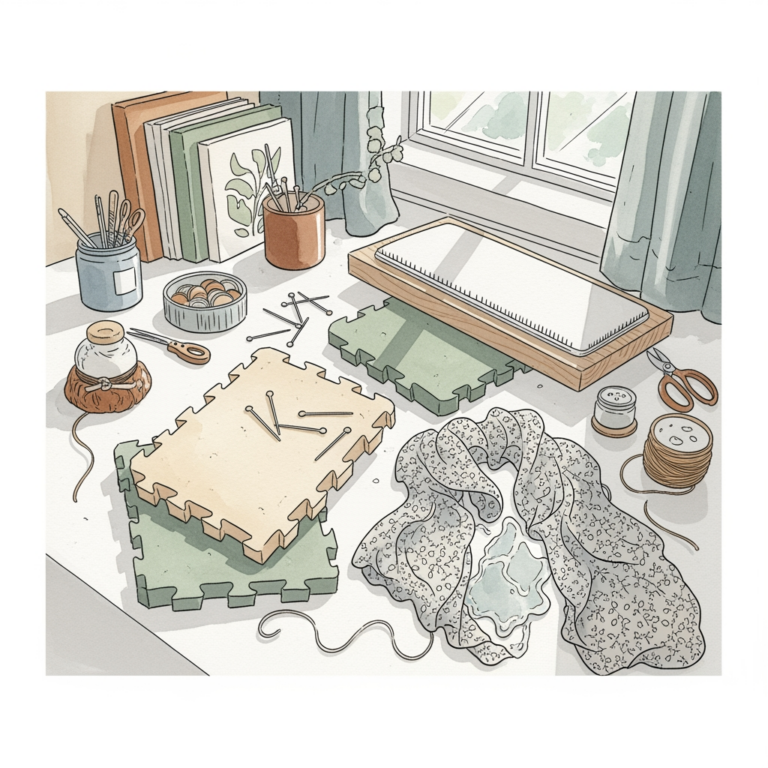
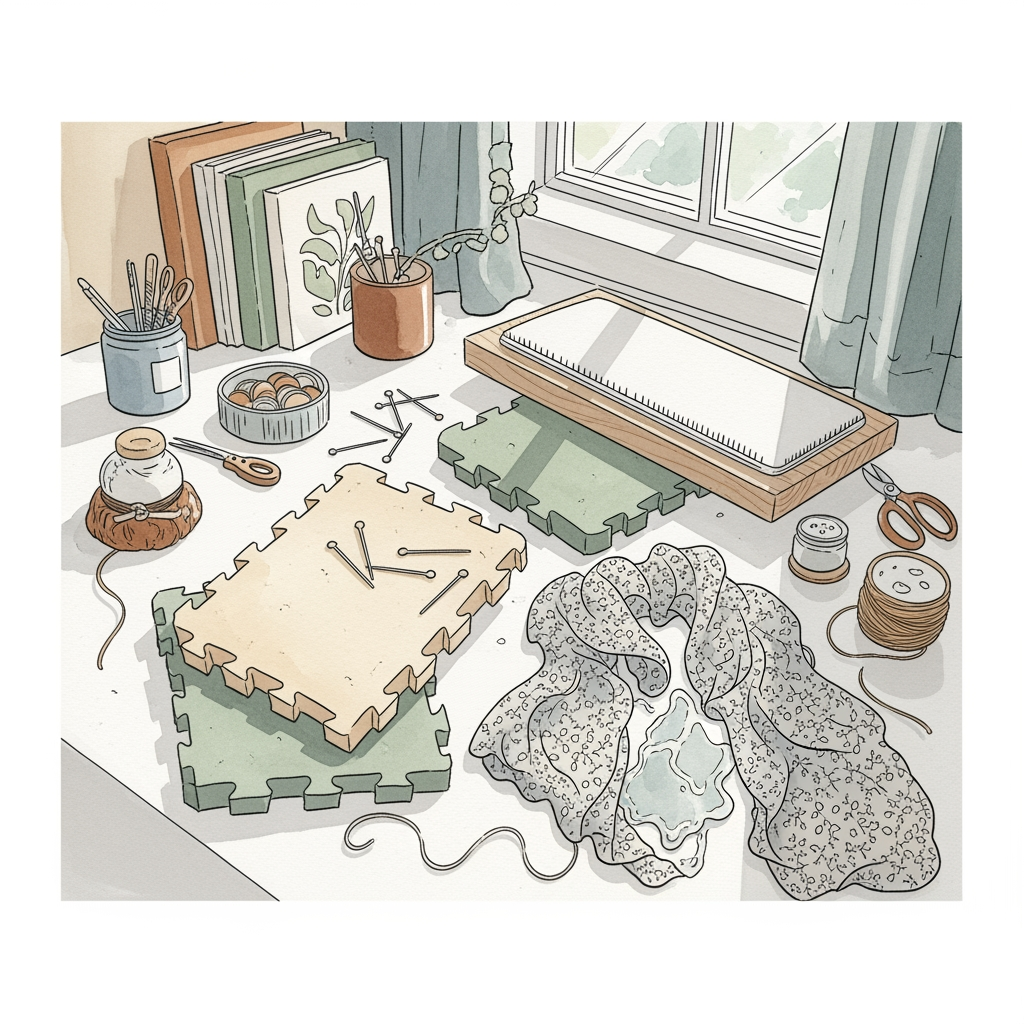
Instead, lay your garment flat on a moisture-wicking towel and roll it up like a burrito to squeeze out the excess water. Once you have removed the bulk of the moisture, transfer it to a dry blocking mat or a clean, flat surface.
If you are blocking a complex piece, use rust-proof T-pins to gently shape the edges. Allow it to air dry away from direct sunlight or heat sources, which can cause the fibers to dry unevenly and become stiff.
Taking care of your hand-knitted items is a labor of love that extends the life of your creativity. By choosing a dedicated wool wash, you are protecting the integrity of the fiber and ensuring your stitches stay uniform and soft. Treat your garments with the same care you put into knitting them, and they will remain cherished pieces for decades. Happy washing, and may your blocking always be perfectly shaped.