6 Best Spray Starch Alternatives For Rigid Shapes
Need stiff fabric without spray starch? Discover 6 effective DIY alternatives to achieve crisp, rigid shapes for your sewing and craft projects effortlessly.
Achieving the perfect sculptural shape in a knitted piece requires more than just careful stitch tension. While traditional spray starch works for light lace, it often falls short when you need true structural rigidity for ornaments or baskets. These six alternatives provide the necessary support to transform soft, pliable yarn into permanent display-ready art. Choosing the right method depends entirely on your fiber content and the final aesthetic you want to achieve.
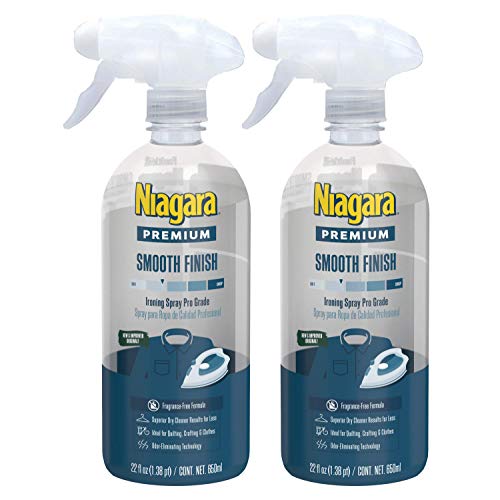

Aleene’s Stiffen-Quik: The Best Overall Choice

If you have ever struggled to get a lace snowflake to hold its shape through a humid winter, this is your solution. Aleene’s Stiffen-Quik is specifically formulated for fabric, meaning it dries clear and doesn’t leave that chalky residue often associated with aerosol starches.
It is remarkably easy to use because it comes in a spray bottle, allowing for an even, controlled application. Unlike heavy glues, it maintains the look of the fiber while adding significant structural integrity.
The main tradeoff is that it isn’t waterproof; if your piece gets damp, the rigidity will soften. For most display pieces, however, it provides the perfect balance of professional finish and ease of use.
Mod Podge Fabric Stiffener for Heavy Projects

When you are working with thicker, heavier yarns or creating 3D structures like bowls, spray-on solutions simply won’t cut it. Mod Podge Fabric Stiffener is a thick, viscous liquid that saturates the fibers, creating a rock-hard finish once it cures.
Because it is so potent, you must be careful not to oversaturate delicate lace, as it can cause the piece to clump. It works best when applied with a brush or by dipping the project and squeezing out the excess.
Keep in mind that this product will change the "hand" of your yarn significantly. It is not meant for wearable garments, as it turns soft wool into something closer to stiff cardboard.
Elmer’s School Glue: A Reliable DIY Solution

Every knitter has a bottle of white school glue in their craft drawer, and it remains a surprisingly effective tool for stiffening. When diluted with a little water, it creates a flexible, durable bond that holds shapes beautifully.
The secret is the ratio; start with a 50/50 mix of glue and water for a medium hold. If you need a more rigid structure, increase the glue concentration, but be aware that too much will make the yarn look slightly glossy.
This is a budget-friendly way to experiment with blocking complex shapes without investing in specialty products. Just ensure you use a non-toxic, washable formula so it doesn’t yellow over time.
Sugar Water Solution for Delicate Fiber Shapes
This is an old-school technique that has been used for generations to stiffen delicate crochet and lace ornaments. By dissolving sugar in boiling water and soaking your piece, you create a natural, crystalline structure that holds shapes with surprising strength.
The biggest drawback is that it is essentially food, which means it can attract pests or mold if stored in humid environments. You must ensure the piece is completely dried in a low-humidity area to prevent stickiness.
It is best reserved for seasonal decorations that aren’t intended to last for decades. If you choose this route, be prepared for a slightly brittle finish that can crack if the piece is handled roughly.
Clear Acrylic Spray for Permanent Rigid Finishes
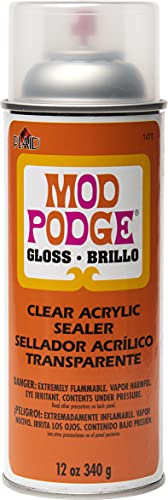
If you need a piece to be moisture-resistant and permanently set, clear acrylic spray is the industry standard. It creates a plastic-like shell over the yarn that is completely impervious to humidity.
You must work in a well-ventilated area, as the fumes are quite strong. Also, because this is a permanent finish, there is no going back; if you don’t like the shape, you cannot re-block the piece later.
Use a light, sweeping motion to apply thin coats. Heavy application will result in a shiny, unnatural look that obscures the beautiful texture of your stitches.
Epsom Salt Soak for Natural Fiber Sculpting

Epsom salt is a fascinating, unconventional choice for those who want a stiffener that is easily reversible. When dissolved in hot water and used to soak your finished project, the salt crystals settle into the fibers as they dry.
This method provides a firm, matte finish that doesn’t alter the color of the yarn. It is particularly effective on natural fibers like cotton or wool, as the salts bond well with the organic structure of the yarn.
The downside is that it is highly sensitive to moisture; a humid day can cause the salts to draw water from the air and soften the piece. It is the perfect choice for temporary displays where you might want to wash and reuse the yarn later.
Why Fiber Rigidity Matters for Display Pieces
Rigidity is the difference between a sad, drooping lace doily and a crisp, heirloom-quality ornament. When you spend hours on a project, the final blocking stage is where you define the architecture of your work.
Without proper stiffening, gravity will eventually pull the stitches out of their intended pattern. This is especially true for complex lace, where the "negative space" is just as important as the yarn itself.
Stiffening allows you to force the yarn to maintain the geometry of your blocking pins. It turns a soft textile into a sculptural object that can stand on its own.
How to Properly Block Your Stiffened Knitwear
Blocking is not just about getting the piece wet; it is about setting the "memory" of the stitches. When using a stiffening agent, you must pin your project into its final shape before applying the product.
Use rust-proof T-pins to ensure your lines are straight and your points are sharp. If you are stiffening a basket or bowl, use a household object like a bowl or a jar as a mold to drape your wet, treated piece over.
Allow the piece to dry completely in a warm, dry place. Rushing the drying process is the most common reason for uneven rigidity or sagging shapes.
Fiber Compatibility: What Works With Which Yarn
Not all yarns respond to stiffeners in the same way. Natural fibers like cotton and linen absorb liquids readily and hold their shape well with almost any of these methods.
Synthetic fibers, like acrylic, are non-porous and often resist water-based stiffeners. If you are working with acrylic, you will have better luck with a spray-on acrylic finish or a very heavy-duty glue-based stiffener.
Always perform a test swatch before applying a stiffener to your finished project. This ensures you won’t ruin your hard work with a product that causes discoloration or unwanted texture changes.
Troubleshooting Common Stiffening Mishaps
If your piece turns out too soft, you likely used too much water in your mixture. Simply re-wet the piece with a stronger concentration of your chosen stiffener and re-block it.
If your piece is sticky, it is usually a sign that it hasn’t dried completely or that the humidity in your room is too high. A quick blast with a hairdryer on a low, cool setting can often fix this.
If the piece looks cloudy or white, you have likely used too much product. While this is hard to reverse, a very light misting of water might help distribute the excess, though it is usually better to be conservative with your application from the start.
Transforming your knitted work from a soft fabric into a rigid, sculptural piece is a rewarding final step in the creative process. By selecting the right stiffening agent for your specific yarn and project goals, you ensure that your hard work remains beautiful for years to come. Remember to always test a small swatch first, and don’t be afraid to experiment with different levels of rigidity. With these tools in your kit, you are ready to take your fiber art to a new, structural dimension.