7 Best Blocking Pins For Wet Blocking To Own
Achieve perfect shapes with these 7 top-rated blocking pins. Discover durable, rust-proof options essential for professional-grade wet blocking results.
Blocking is the single most transformative step in the knitting process, turning a lumpy, uneven fabric into a professional-looking garment. Choosing the right pins is vital, as the wrong material can leave permanent rust stains on your delicate hand-dyed wools. This guide breaks down the best blocking pins on the market to ensure your hard work stays protected. With the right tools, you can confidently set the shape of everything from intricate lace shawls to sturdy wool sweaters.
Knitter’s Pride Stainless Steel T-Pins: Best Overall


These T-pins are the workhorse of the knitting world for a reason. They offer the perfect balance of tensile strength and rust resistance, making them reliable for almost any fiber type.
Because they are crafted from high-quality stainless steel, they don’t bend under the tension of a heavy, water-logged wool sweater. The T-bar head is easy to grip, even for knitters with arthritis or reduced hand dexterity.
If you are looking for a "set it and forget it" tool, these are the ones to buy. They perform consistently across various blocking mats and won’t fail you mid-project.
Clover Rust-Resistant Blocking T-Pins: Top Pick
Clover has a reputation for precision, and their blocking pins are no exception. These pins are specifically engineered to resist oxidation, which is critical when working with light-colored or white yarns.
The finish on these pins is incredibly smooth, allowing them to glide through your stitches without snagging or splitting the plys. This is especially important when you are blocking delicate lace projects where a snag could cause a visible run.
While they carry a slightly higher price tag than generic hardware store pins, the peace of mind is worth it. You are paying for a coating that protects your investment in luxury fibers.
Cocoknits Stainless Steel Pins: Best for Precision
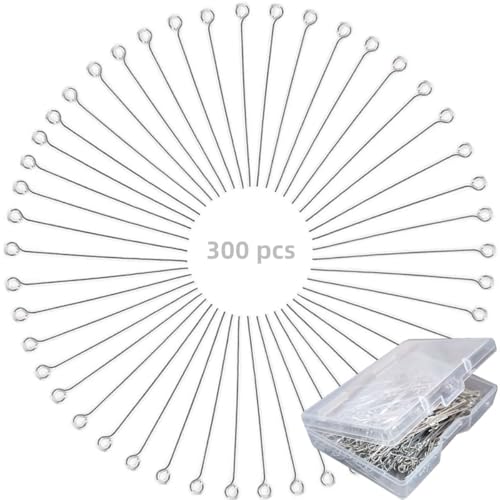
Cocoknits pins are designed with the modern maker in mind. They are thinner than standard T-pins, which makes them ideal for intricate lace work where you need to pin out every single picot edge.
Because they are made from high-grade stainless steel, they are incredibly durable despite their slender profile. You won’t find them snapping when you need to exert a bit of force to stretch a stubborn lace repeat.
These are a fantastic choice if you frequently work with fine-gauge yarns. The slim design ensures you aren’t distorting the stitch pattern while trying to achieve that perfect, sharp point.
Tulip Etimo Blocking Pins: Best Premium Option

If you want to treat yourself, Tulip Etimo pins offer a level of finish that is unmatched in the industry. They are exceptionally polished, reducing friction to almost zero when inserting them into your mat.
These pins feel substantial in the hand, and the quality control is visible in every piece. They are perfect for the knitter who views blocking as a meditative, ritualistic part of the craft.
While they are a luxury item, the longevity of these pins makes them a sound investment. You will likely only need to buy one set for your entire knitting lifetime.
Boye Nickel-Plated T-Pins: Best Budget Choice

Boye pins are the classic choice you’ll find in almost any craft store. They are affordable, accessible, and get the job done for most standard wool projects.
The nickel plating provides a decent layer of protection against rust, provided you don’t leave them in a soaking wet garment for days on end. They are sturdy and have a classic T-head that is easy to manipulate.
If you are just starting out or need a large quantity for a massive project, these are a practical solution. Just be sure to remove them as soon as the garment is dry to keep them in top condition.
KnitIQ Stainless Steel Blocking Pins: Best Value

KnitIQ pins provide a great quantity-to-quality ratio. They are specifically marketed to knitters, so they are guaranteed to be rust-resistant and free of sharp burrs that could damage your yarn.
They come in convenient packaging that makes storage easy, which is a big plus for those of us with limited craft room space. The pins themselves are reliable and hold their shape well under tension.
These are ideal for the intermediate knitter who is starting to build a collection of blocking tools. You get professional-grade performance without the premium boutique price.
Dritz Extra-Long T-Pins: Best for Thick Knits
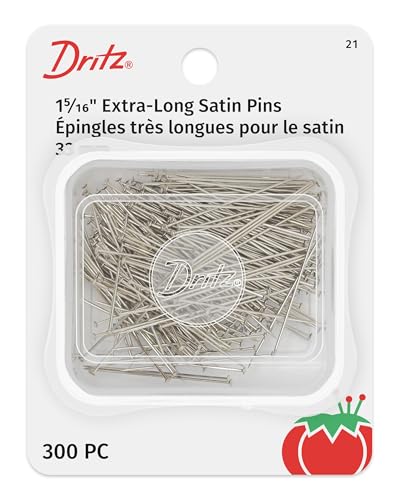
Sometimes, a standard pin just isn’t long enough to anchor a heavy, cabled, or double-knit garment. Dritz extra-long T-pins provide the reach you need to secure thick fabric securely to your blocking mat.
The extra length allows you to angle the pin deep into the mat, providing superior leverage when you are trying to force a stubborn swatch into shape. They are robust and built to withstand significant pressure.
If you enjoy knitting heavy winter sweaters or chunky blankets, these are an essential addition to your kit. They make the difficult task of blocking heavy items much more manageable.
Why Stainless Steel Prevents Rust on Your Knits
Rust is the enemy of every hand-knitted garment. When moisture from wet blocking reacts with low-quality iron or steel, it creates oxidation that can permanently stain your yarn.
- Non-reactive: Stainless steel does not react with water, keeping your yarn clean.
- Durability: It resists corrosion even after repeated exposure to damp conditions.
- Safety: It prevents the formation of orange-colored spots that are nearly impossible to wash out.
Always verify that your pins are labeled "stainless steel" rather than just "steel." A simple magnet test can also help; if a magnet sticks strongly, it may be prone to rusting, whereas high-quality stainless is often less magnetic.
How to Choose the Right Pin Size for Your Project
Choosing the right pin is about matching the tool to the fiber and the density of the fabric. For fine lace, you need thin, sharp pins that won’t distort the delicate yarn structure.
- Fine Lace: Use thin, stainless steel pins to avoid stretching individual stitches.
- Heavy Sweaters: Use thick, long T-pins to handle the weight of the water-logged garment.
- Delicate Fibers: Ensure the pin tips are perfectly smooth to prevent snagging silk or alpaca.
If you are working with a fiber that has little memory, like cotton, you will need to pin more densely. In these cases, having a large quantity of consistent, medium-sized pins is better than having a few specialty ones.
Essential Tips for Perfect Wet Blocking Results
Blocking is not just about stretching; it is about relaxing the fibers. Always soak your garment in cool water with a gentle wool wash for at least 20 minutes to ensure the fibers are fully saturated before pinning.
- Don’t over-stretch: Only stretch the garment to the intended measurements, not to the limit of the yarn.
- Use a grid: Use a blocking mat with a printed grid to ensure your edges are straight and symmetrical.
- Dry time: Never remove your pins until the garment is 100% dry, as the shape can shift while the fibers are still damp.
Remember that blocking is a form of "setting" the fabric. By taking your time and using the right pins, you are essentially finalizing the design work you started on your needles.
Investing in high-quality blocking pins is a small price to pay to protect the hours of work you put into your knitting. Whether you choose the precision of Cocoknits or the reliability of Knitter’s Pride, your future self will thank you when you unpin a perfectly shaped, rust-free project. Happy blocking, and may your stitches always lay exactly where you intend them to.