7 Best Citric Acids For Color Setting For Vibrant Dyes
Discover the 7 best citric acids to lock in vibrant dye colors. Learn how these essential stabilizers ensure long-lasting, fade-resistant results for fabrics.
Achieving vibrant, wash-fast colors on animal fibers like wool, alpaca, and mohair requires more than just high-quality dye; it requires the perfect chemical environment. Citric acid acts as the vital catalyst, lowering the pH of your dye bath to ensure the color bonds permanently to the protein structure of the fiber. Without this essential step, you risk bleeding colors that ruin your hard-earned knitting projects during the first soak. This guide explores the best citric acid options to help you achieve professional, long-lasting results in your home studio.
Milliard Citric Acid: The Best Overall Choice
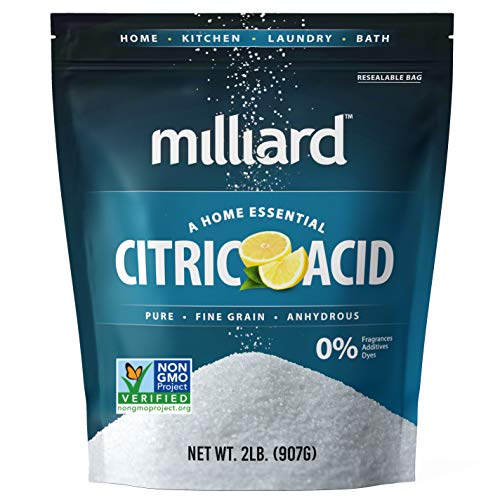

Milliard is the gold standard in many home dye studios, and for good reason. It is consistently pure, dissolves almost instantly in warm water, and lacks the additives that can sometimes interfere with delicate dye pigments.
When you are working with expensive hand-dyed yarns, you don’t want to worry about impurities causing streaks or uneven absorption. This citric acid provides a clean, predictable reaction, which is exactly what you need when you are trying to replicate a specific colorway for a sweater’s worth of yarn.
The bottom line here is reliability. If you are dyeing a large batch of yarn for a complex colorwork project, you need a product that performs the same way every single time.
Judee’s Gluten-Free Citric Acid Powder
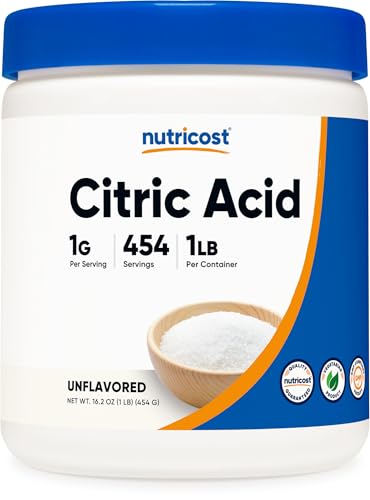
Judee’s is a fantastic option if you share your craft space with a kitchen where food allergies are a concern. Because it is processed in a dedicated facility, you get peace of mind that no cross-contamination will affect your fiber prep.
From a technical standpoint, the fine powder consistency is a major win. It disperses rapidly into the dye bath, preventing those annoying "hot spots" where undissolved crystals might cause concentrated, uneven color spots on your yarn.
If you are a knitter who is sensitive to additives or works in a shared household space, this is your safest bet. It functions exactly as expected, keeping your fibers vibrant without any hidden surprises.
Anthony’s Premium Food-Grade Citric Acid

Anthony’s is a staple for those who buy in bulk but still demand food-grade quality. It comes in a sturdy, resealable bag that stands up to the rigors of a busy dye studio, keeping moisture out and the product fresh.
I find that this brand has a very consistent acidity level, which makes it easier to calculate your ratios for different fiber weights. Whether you are dyeing a delicate lace-weight silk-mohair blend or a sturdy worsted-weight wool, the results are consistently sharp and deep.
It is a straightforward, no-nonsense product. If you want to spend less time worrying about your chemicals and more time planning your next stranded colorwork design, Anthony’s is a solid choice.
Hoosier Hill Farm Citric Acid Bulk Bag

If you are a production dyer or someone who dyes their entire stash at once, Hoosier Hill Farm is the logical choice for your wallet. Buying in bulk can be intimidating, but the sheer volume here allows for a "set it and forget it" approach to your supply closet.
The primary advantage of this bulk bag is the cost-per-ounce, which is significantly lower than smaller containers. However, you must ensure you have a moisture-proof container to store it in once the original bag is opened, as citric acid can clump if left in a humid environment.
This is the "workhorse" of the bunch. It is perfect for those who have moved past the experimental phase and are now dyeing yarn in large, consistent quantities for personal use or small-scale sales.
Sky Organics Citric Acid for Dyeing

Sky Organics markets their product with a focus on purity, which is appealing for those who prefer natural, non-GMO ingredients. While the chemistry of citric acid remains the same regardless of its source, the clean processing is a nice touch for those conscious of their environmental footprint.
The crystals are uniform in size, which makes measuring by weight—the only accurate way to measure dye chemicals—very simple. You won’t have to deal with large, irregular chunks that take forever to dissolve in a lukewarm dye bath.
If you value the sourcing of your supplies as much as you value the sourcing of your wool, this is a product that aligns with those values. It delivers vibrant, lasting colors without compromising on quality.
Starwest Botanicals Pure Citric Acid

Starwest Botanicals is a trusted name in the herbal and botanical world, and their citric acid reflects that reputation for quality control. It is incredibly clean and free of any anti-caking agents that might leave a residue on your fibers.
When you are working with superwash wool, which can sometimes be finicky about dye absorption, having a pure acid is crucial. Any extra chemicals in your dye bath can potentially dull the vibrancy or affect the final hand of the yarn.
This is a premium product for the knitter who treats their fiber arts like a science. It is precise, clean, and reliable for even the most delicate fiber projects.
BulkSupplements Citric Acid Crystals
BulkSupplements offers a very high-purity product that is ideal for those who prefer to measure their chemicals with high-precision digital scales. The crystals are consistent and dissolve with minimal agitation, which is great for protecting the integrity of your yarn.
The main benefit here is the lack of fillers. When you are trying to achieve a specific, complex color, you don’t want any secondary ingredients interfering with the pH balance of your bath.
If you are a "mad scientist" type of knitter who loves to document every gram and milliliter, this is the perfect addition to your kit. It provides the exact chemical reaction you need to lock in those vibrant shades.
Why Citric Acid Is Vital for Fiber Dyeing
Citric acid is the key to unlocking the potential of acid dyes on protein fibers. Without it, the dye molecules simply sit on the surface of the fiber rather than bonding with the amino groups in the wool or silk.
When the pH of your dye bath is lowered, the fiber becomes more receptive to the dye. This process, known as exhaustion, ensures that the water in your pot turns clear as the fiber "drinks up" the color.
- Vibrancy: Proper pH levels ensure the color is saturated and deep.
- Wash-fastness: The dye bonds chemically, meaning it won’t wash out when you block your finished garment.
- Consistency: Proper acidification ensures even, streak-free color distribution.
How to Safely Set Colors on Animal Fibers
Safety is paramount when working with dye chemicals, even food-grade ones. While citric acid is technically edible, you should never use the same equipment for dyeing that you use for cooking food.
Start by dissolving your citric acid in a small amount of hot water before adding it to your main dye pot. This prevents concentrated acid from hitting the fiber directly, which could cause uneven dyeing or damage to delicate fibers like angora or silk.
Always add your fiber to the dye bath slowly and gently. Avoid rapid temperature changes, as animal fibers can felt if subjected to sudden heat shock or excessive agitation.
Frequently Asked Questions About Dye Acids
Can I use vinegar instead of citric acid? Yes, white vinegar (acetic acid) is a common alternative, but citric acid is often preferred for its lack of strong odor. Vinegar can leave a lingering scent on the yarn that some knitters find unpleasant.
How much citric acid do I need? The general rule is about 1 teaspoon of citric acid per 100 grams of fiber. However, always consult your specific dye brand’s instructions, as different pigments require different pH levels to bond effectively.
Does citric acid damage my yarn? When used in the correct proportions, it is perfectly safe. However, using too much can make the bath overly acidic, which may leave the fiber feeling brittle or dry after it dries.
Setting your colors with citric acid is the bridge between a craft project and a professional-grade garment. By choosing a high-quality, pure acid, you ensure that your hand-dyed yarns remain as vibrant as the day they came out of the pot. Whether you are dyeing a single skein for a pair of socks or a sweater’s worth of wool, the right chemistry makes all the difference. Happy dyeing, and may your colors always stay bright and true.