7 Best Respirator Masks For Handling Dye Pigments
Safely handle dye pigments with our top 7 respirator picks. We evaluate filtration, fit, and comfort to ensure you stay protected from hazardous dust particles.
When you start hand-dyeing your own wool or silk, the beauty of the color palette can easily distract you from the fine, airborne particles of powdered pigment. Breathing in these concentrated chemicals is a serious health risk that can lead to long-term respiratory issues. A high-quality respirator is just as essential to your dye studio as a sturdy swift or a reliable set of circular needles. Choosing the right mask ensures you can keep creating vibrant, one-of-a-kind colorways safely for decades to come.
3M 6200 Half Facepiece: The Professional Standard
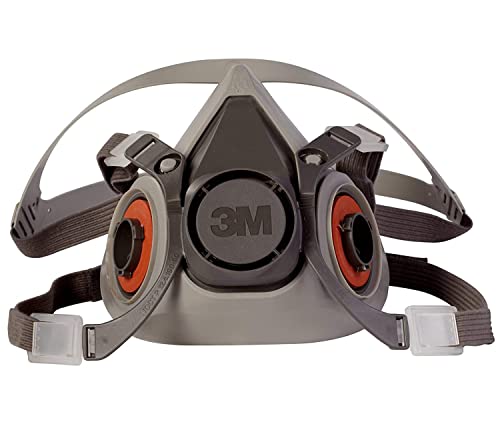

The 3M 6200 is the workhorse of the studio, frequently seen in professional dye houses and large-scale fiber workshops. It is a no-frills, reliable piece of equipment that gets the job done without any unnecessary complexity.
Because it uses a bayonet-style filter attachment, you can easily swap between P100 particulate filters for powders and organic vapor cartridges for liquid dyes. If you are a prolific dyer who works with both acid dyes and complex natural mordants, this versatility is a massive advantage.

The trade-off is that the thermoplastic elastomer material is slightly stiffer than premium silicone models. If you have a smaller face or wear glasses, you might find the fit a bit rigid during long sessions of immersion dyeing.
GVS Elipse P100: Best for Low-Profile Comfort
If you find traditional respirators bulky and intrusive, the GVS Elipse is a game-changer. Its compact, integrated filter design keeps the mask very close to your face, which is perfect when you need to lean over a dye pot to check color saturation.
The low profile means it won’t bump into your safety goggles or get in the way while you are stirring large skeins of yarn. It feels almost like wearing a lightweight accessory rather than a heavy piece of industrial gear.
However, because the filters are integrated into the mask, you cannot swap them out for different types of protection as easily as modular systems. It is best suited for those who primarily work with dry pigment powders and want maximum visibility.
Honeywell North 7700: Best for Long Dye Sessions

When you are spending an entire weekend over the dye pots, comfort becomes the primary factor in whether or not you actually wear your mask. The Honeywell North 7700 features an exceptionally soft silicone seal that conforms to the face without leaving deep pressure marks.
This mask is designed for extended wear, making it a favorite among dyers who produce large batches of yarn for sweater quantities. The cradle suspension system distributes the weight of the mask evenly, preventing the dreaded "headache-from-straps" that can ruin a creative flow.
The trade-off is that it is a slightly larger unit, which can feel a bit warm after several hours of intense work. If you are prone to overheating in the studio, make sure you have good ventilation alongside your mask.
MSA Advantage 200 LS: Best for Secure Fitment

The MSA Advantage 200 LS is known for its "Multi-Flex" system, which allows the mask to adjust to the unique contours of your face during movement. If you are constantly moving between the sink, the stove, and the drying rack, you need a mask that doesn’t shift or break its seal.
Its soft, pliable facepiece creates a very secure barrier against fine dust particles. This is crucial when you are measuring out concentrated pigments, where even a tiny puff of powder can be dangerous if inhaled.
Be aware that this mask has a very specific, snug fit that some people find restrictive. It’s an excellent choice if you have a hard time finding masks that don’t leak around the nose bridge, but it may take some getting used to.
3M 7502 Silicone Half Facepiece: Best for Comfort

The 3M 7502 is the gold standard for long-term comfort in the fiber arts community. The silicone is incredibly soft and skin-friendly, which is a major benefit when your face is already warm from a steaming dye bath.
A standout feature is the "drop-down" harness, which allows you to unlatch the mask and let it hang around your neck without taking off your headgear. This is incredibly helpful when you need to step away for a quick drink of water or to check a color sample in natural light.
Because it is made of high-quality silicone, it is also very easy to clean and sanitize between sessions. It is a slightly higher investment, but the durability and comfort make it well worth the cost for a serious dyer.
Moldex 7000 Series: Best for Easy Maintenance
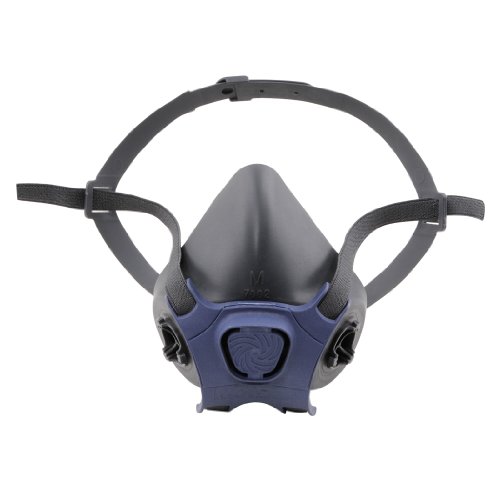
The Moldex 7000 is designed with simplicity in mind, featuring very few parts that can break or get lost. If you are the type of dyer who wants to spend more time playing with color and less time fiddling with equipment, this is your best bet.
The mask is exceptionally lightweight and features a wide field of vision, which is helpful when you are carefully monitoring the temperature of your dye bath. The filter replacements are intuitive and snap into place with a satisfying click.
The downside is that the sizing can be a bit tricky compared to the 3M series. It is highly recommended that you measure your face according to the manufacturer’s guide before purchasing to ensure you get the right size for a proper seal.
Dentec Safety 400 Series: Best Lightweight Choice
The Dentec 400 series is remarkably light, making it a great option if you find heavier masks fatiguing. It uses a unique mask-to-filter seal that is designed to be airtight even when you are talking or moving your jaw frequently.
If you like to listen to podcasts or chat with your studio partner while dyeing, this mask won’t muffle your voice or shift out of place. It is a practical, no-nonsense choice that excels in basic pigment handling.
However, the material is slightly thinner than the professional-grade silicone masks. While it offers excellent protection, it might not have the same long-term durability if it is tossed roughly into a project bag or tool kit.
Understanding N95 vs P100 Ratings for Pigments
When handling dye pigments, you must look for P100 ratings rather than the common N95. While an N95 mask filters 95% of airborne particles, it is not designed to handle the fine, oily, or chemical-laden dust found in many dye powders.
A P100 filter is 99.97% efficient against all particulate aerosols, including oils. Think of it like comparing a basic craft-store acrylic yarn to a high-twist, hand-dyed merino wool; one is sufficient for basic needs, but the other provides the superior protection and reliability you need for high-stakes work.
- N95: Good for sawdust or non-toxic household dust.
- P100: Mandatory for dye pigments, chemical powders, and fine fibers.
- Organic Vapor: Necessary if you are using dyes that require chemical fixatives or have strong fumes.
How to Properly Fit Test Your Respirator Mask
A respirator is only as good as its seal against your skin. Even the most expensive mask will fail if there is a gap between the silicone edge and your cheekbones.
Before you start your first dye batch, perform a simple positive and negative pressure test. Cover the intake valves with your hands and inhale; the mask should collapse slightly against your face. Then, exhale while covering the exhaust port; the mask should bulge outward without any air escaping around the edges.
- Ensure you are clean-shaven, as facial hair prevents a proper seal.
- Adjust the straps starting from the bottom and working your way up.
- Check for "gaps" around the nose bridge, which is the most common point of failure.
Essential Maintenance for Your Dye Studio Mask
Your mask is a piece of safety equipment, not just a studio tool, so treat it with care. After every session, wipe down the inside of the facepiece with a mild, fragrance-free soap or a dedicated respirator wipe to remove sweat and skin oils.
Store your mask in a sealed plastic bag or a dedicated container when not in use. If you leave it sitting out on your dye table, the filters will absorb ambient moisture and chemicals, significantly shortening their lifespan.
- Replace filters immediately if you notice difficulty breathing through them.
- Inspect the silicone for any cracks or signs of hardening.
- Keep a log of your usage hours to know exactly when your filters are due for a change.
Investing in a quality respirator is the best way to ensure that your love for dyeing yarn remains a healthy, lifelong passion. Don’t let the technical specs intimidate you; prioritize a comfortable fit and the correct P100 rating, and you will be well on your way to a safer studio. Your lungs—and your future knitting projects—will thank you for the extra precaution. Stay safe, keep experimenting with color, and enjoy the magical process of transforming raw fiber into art.