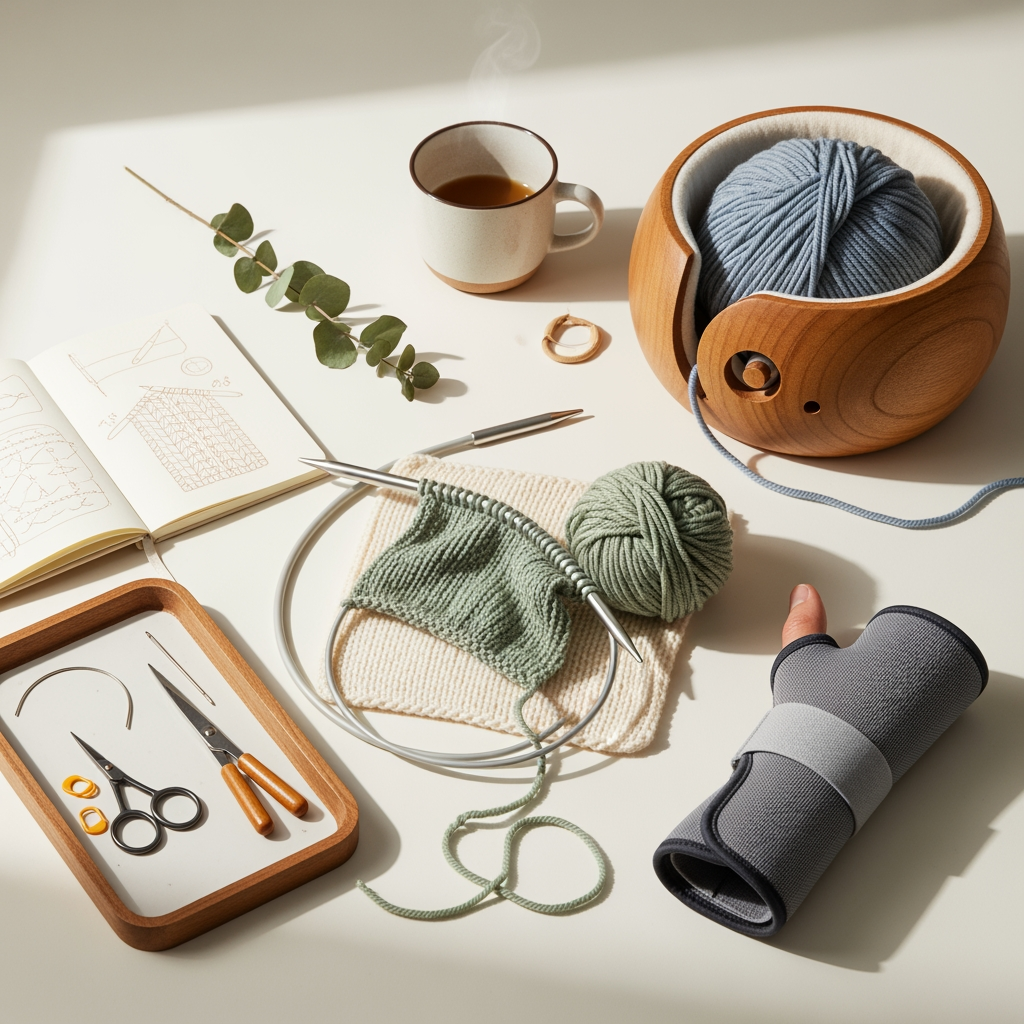
6 Best Tabletop Clamps For Hands-Free Knitting
Discover the 6 best tabletop clamps for hands-free knitting. We review top models to improve your posture, reduce strain, and streamline your yarn projects.
Setting up a dedicated workspace is the secret to moving from frustrated hobbyist to a confident maker. A stable yarn setup prevents the dreaded yarn-barf tangles that can ruin a skein of expensive hand-dyed wool. When your swift or winder is anchored securely, you gain the freedom to focus entirely on your tension and stitch patterns. These six clamping solutions provide the necessary stability to keep your fiber arts process smooth and professional.
1. Stanwood Needlecraft Yarn Ball Winder Clamp


This clamp is the industry standard for a reason, offering a robust grip that handles the high-speed rotation of a ball winder without slipping. When you are winding a delicate, single-ply lace yarn, the last thing you want is the unit shifting mid-wind and causing a snag.
The design features a wide mouth, which is essential if you are working on a thick farmhouse-style dining table rather than a thin craft desk. It prioritizes mechanical stability, ensuring that your yarn cakes come out perfectly cylindrical every time.
However, the sheer strength of the metal can be unforgiving on softer wood finishes. Always use a protective barrier between the metal screw and your table to avoid permanent indentations.
2. KnitPicks Yarn Winder Replacement Table Clamp

If you have already invested in a KnitPicks winder, this replacement clamp is a lifesaver when the original inevitably wears out. It is specifically engineered to fit the unique geometry of their winding base, ensuring a seamless connection.
Many knitters try to use generic hardware store clamps, but they often lack the specific angled foot required for this winder’s base. Using the manufacturer-intended clamp ensures the tension remains consistent, which is vital when you are winding high-twist yarns that tend to "jump" if the tension fluctuates.
The tradeoff here is that it is a proprietary piece, meaning it won’t be as versatile for other tools. Keep it as a dedicated spare in your knitting kit for those late-night winding sessions before a big project.
3. Lacis Wooden Table Clamp for Yarn Swifts

Wooden clamps offer a sophisticated, tactile experience that feels right at home in a studio full of natural fibers. Unlike cold steel, these clamps have a subtle "give" that feels more integrated with wooden swifts or vintage yarn umbrellas.
They are particularly excellent for knitters who work with delicate silk or mohair, as the wood is less likely to snag or damage the yarn if it accidentally brushes against the clamp. It provides a firm, reliable hold that respects the aesthetic of your fiber tools.
Be mindful that wood can expand or contract with humidity changes in your home. If your knitting room tends to be damp, check the tightness of the wood screw periodically to ensure your swift doesn’t wobble during use.
4. Boye Yarn Ball Winder Replacement Clamp Base
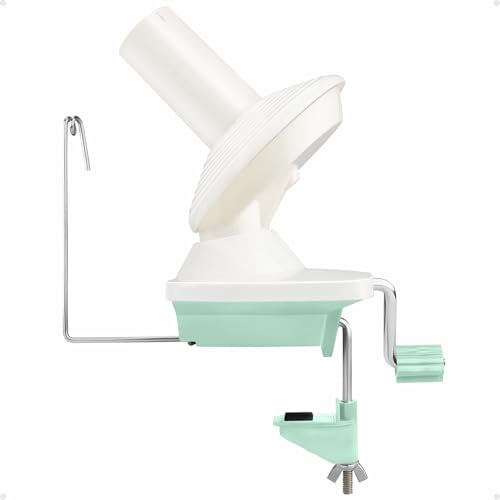
The Boye replacement base is a reliable, no-nonsense solution for those who prioritize function over flair. It provides a straightforward clamping mechanism that is easy to adjust, even if you are mid-project and need a quick fix.
This base is designed to be lightweight, making it an excellent choice if you frequently travel to knitting groups or retreats. You can easily tuck it into a project bag without adding significant bulk or weight.
Since it is made of durable plastic, avoid overtightening it against thick, uneven surfaces. Gentle, consistent pressure is the key to longevity with this specific model.
5. U-Clamp Heavy Duty Steel Fixation for Swifts

When you are dealing with large, heavy hanks of bulky-weight wool, a standard clamp often fails to hold the weight of the swift. A heavy-duty U-clamp provides the industrial-grade stability required for high-volume winding.
The U-shape design distributes pressure more evenly across the table edge than a single-point screw clamp. This is a game-changer if you are working on a glass or metal surface where a single point of pressure could cause cracking or slipping.
Because these are often sourced from hardware supplies rather than craft stores, they can be heavy and utilitarian. They are the best choice for the serious knitter who builds their own custom yarn-winding station.
6. Maple Wood C-Clamp for Knitting Accessories

Sometimes the best tool for a knitter is a high-quality woodworking clamp repurposed for the craft room. A maple C-clamp provides a beautiful, sturdy, and non-marring grip that handles almost any swift or winder base with ease.
The advantage of using a woodworker’s clamp is the precision of the thread, which allows for micro-adjustments. If you are working on a delicate lace shawl and need your swift to spin with zero resistance, being able to fine-tune the clamp’s tension is invaluable.
The only downside is that these are often larger than craft-specific clamps. Ensure you have enough clearance under your table for the handle to turn freely.
7. How to Properly Secure Clamps to Table Edges
The secret to a stable setup is finding the most rigid part of your table, usually directly over a table leg. Avoid the center of a table leaf, as the vibration from a spinning swift will cause the entire surface to oscillate.
Always ensure the clamp’s foot is sitting flush against the surface. If your table has a beveled edge, the clamp will likely slip; in this case, use a small block of wood to create a flat, level platform.
Tighten the clamp until it is firm, then give it a slight "wiggle test." If it moves even a fraction of an inch, tighten it just a bit more before you begin winding.
8. Preventing Surface Damage With Felt Padding
Never clamp directly onto a finished wood table without protection. Over time, the pressure will leave permanent rings or scratches that no amount of furniture polish can hide.
I recommend keeping a small stash of adhesive felt pads or a thick piece of vegetable-tanned leather in your tool kit. Simply place the padding between the clamp’s foot and the table to distribute the pressure and protect your furniture.
This simple step ensures your home remains a sanctuary for both your knitting and your decor. It also adds a tiny bit of "tack," which helps prevent the clamp from sliding sideways under the torque of the winder.
9. Essential Maintenance for Your Knitting Tools
Yarn dust and fiber bits are the silent enemies of your winding equipment. Every few months, take a soft brush to the threads of your clamps to remove any accumulated lint or lanolin.
If your metal clamps start to feel "gritty" when you turn them, a tiny drop of sewing machine oil on the threads will keep them moving smoothly. Never use heavy grease, as it can transfer to your yarn and cause staining.
Check your clamps for stress cracks, especially on plastic components. A broken clamp mid-wind can send your swift flying, so inspect your gear before starting any major yarn-prep session.
10. Troubleshooting Common Table Clamp Issues
If your clamp keeps slipping, the most common culprit is a slick table surface. A small square of shelf liner or a rubber jar opener placed under the clamp base will provide the necessary friction to stop it in its tracks.
If the clamp feels loose despite being tightened, check if the table edge is too thick for the clamp’s jaw capacity. Never force a clamp beyond its maximum opening, as this will strip the threads and render it useless.
Finally, if you hear a "creaking" sound while winding, it usually means the clamp is vibrating against the table. Re-tighten the unit and ensure the base of your swift is perfectly centered to minimize lateral force.
Investing in high-quality clamping solutions is an act of self-care for your knitting practice. By eliminating the instability of your winding setup, you protect your yarn and preserve your focus for the stitches that matter. Choose the clamp that best fits your table and project needs, and enjoy the peace of mind that comes with a secure, professional workspace. Happy knitting, and may your yarn always flow smoothly from swift to needle.