6 Best Storage Boxes For Spindle Collections Reviewed
Organizing your spindle collection is vital. We review the 6 best storage boxes to protect your tools from damage while keeping your workspace tidy and efficient.
Every spinner knows the heartbreak of finding a delicate wooden whorl snapped or a precision-balanced shaft slightly warped after a move. Your spindle collection is a tactile library of history, weight, and artistry that deserves better than a dusty shoebox. Choosing the right storage is not just about tidiness; it is about protecting the delicate balance required for consistent spinning. Here are the best storage solutions to keep your tools safe, accessible, and ready for your next bobbin of handspun.
Really Useful Box 4L: Best Overall for Spindles
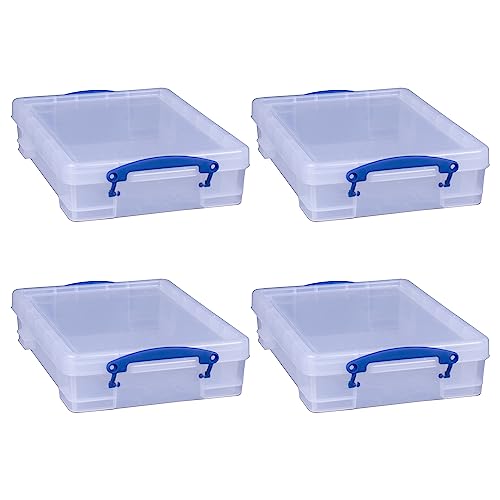

The 4L Really Useful Box is a staple in my studio because its dimensions are almost perfectly tailored for standard drop spindles. Its rigid, clear plastic walls ensure that your tools aren’t being crushed by the weight of other craft supplies.
Because the box is completely transparent, you can identify your favorite Turkish or Tibetan spindle without opening the lid. This saves you from the "fishing" process that often leads to accidental drops and dings on hardwood floors.
The locking handles are the real selling point here, as they provide a secure seal against dust and humidity. If you live in a region where your fiber stash is prone to moisture, these boxes offer a reliable barrier to keep your wooden shafts from swelling or warping.
ArtBin Super Satchel: Best for Large Collections
If your collection has grown to dozens of spindles, the ArtBin Super Satchel is the gold standard for high-capacity organization. Its wide, flat profile allows you to lay spindles side-by-side rather than stacking them in a deep bin.
This layout is essential for preventing the "tangle" factor, where hooks and whorls get caught on one another. When you lay your spindles flat, you can easily pull out a specific weight—like a lightweight spindle for fine lace-weight singles—without disturbing the rest of the group.
The trade-off is that these satchels take up significant shelf space and aren’t as portable as smaller containers. However, for a dedicated fiber arts corner, the ability to see your entire collection at a glance is worth the footprint.
Sterilite 6-Quart Latch Box: Best Value Choice

Sometimes, the simplest solution is the best, especially when you are just starting your spindle journey. The Sterilite 6-Quart box is inexpensive, widely available, and does exactly what it needs to do: contain your tools.
While the plastic is thinner than premium brands, it is more than sufficient for storing spindles on a shelf or in a closet. I recommend lining the bottom with a bit of felt or foam to prevent the spindles from sliding around when you move the box.
Don’t let the low price point fool you into thinking these aren’t "serious" storage. If you are budget-conscious, putting your money toward high-quality wool or fiber instead of expensive boxes is a trade-off I would make every single time.
Container Store Modular Bin: Best Custom Fit

For those who want a bespoke look, the Container Store’s modular bins offer a level of customization that is hard to beat. You can choose different lengths and widths to fit specific spindle types, like long-shaft Russian spindles or compact supported spindles.
These bins are often made of thicker, clearer acrylic that looks beautiful on an open shelf. They turn your collection into a display piece rather than hiding it away in a dark closet.
The downside is the cost, which adds up quickly if you have a massive collection. If you choose this route, focus on getting the right sizes for your most-used spindles first, then expand as your collection grows.
Iris USA Craft Storage: Best Durable Protection
The Iris USA bins are built with a reinforced frame, making them significantly more durable than standard storage options. If you travel to fiber festivals or spinning guilds, these are the containers I trust to keep my tools safe in the back of a car.

The latches are heavy-duty and provide a very tight seal. This is crucial if you keep your spindles in a garage or basement where temperature fluctuations could potentially impact the wood or the balance of your whorls.
While they are bulkier, the peace of mind they offer is unmatched. When you have invested in custom, hand-turned spindles, the extra cost for a rugged, protective box is a smart insurance policy.
Plano ProLatch StowAway: Best for Micro Spindles

If you enjoy spinning micro-spindles or have a collection of tiny supported spindles for spinning lace-weight silk, the Plano ProLatch is a revelation. These are technically fishing tackle boxes, but the adjustable dividers are perfect for small, delicate tools.
By creating individual "stalls" for each spindle, you ensure that the delicate tips of your shafts never touch. This is a common point of failure for micro-spindles, which are notoriously easy to break if they are jostled around in a large bin.
The only drawback is the fixed length of the compartments; you’ll need to measure your longest spindle before buying to ensure a proper fit. Once you find the right size, however, your tiny tools will be perfectly protected and organized.
Essential Features for Safe Spindle Storage
When shopping for storage, look for boxes that are long enough to accommodate your longest shaft without forcing it to bend. A slightly bowed shaft will eventually lose its true center, which ruins the spin quality.
Look for a smooth interior finish. Any sharp molding seams or plastic burrs inside the box can snag on your whorls or scratch the finish of a hand-turned wooden spindle.
Prioritize stackability, but always keep your heaviest spindles at the bottom. Stacking a heavy, high-whorl spindle on top of a delicate, lightweight supported spindle is a recipe for a snapped tip.
Protecting Delicate Whorls and Shaft Tips
The most vulnerable part of any spindle is the tip, which is often tapered to a fine point. If this point dulls or chips, the spindle’s rotation becomes uneven, leading to inconsistent yarn thickness.
I always recommend adding a layer of padding to the bottom of your storage boxes. A simple piece of craft foam or a thick wool felt pad acts as a shock absorber if the box is bumped or dropped.
Avoid storing spindles in a way that puts pressure on the whorl, especially if the whorl is made of a brittle material like ceramic or carved stone. These materials are beautiful but can crack under the weight of other tools.
Organizing Spindles by Weight and Fiber Type
Organizing by weight is the most practical method for a spinner. Keep your lace-weight spindles in one area, your medium-weight spindles in another, and your heavy, high-capacity spindles in a third.
This allows you to grab the right tool for the fiber you are currently working with. For example, if you are spinning a lofty Corriedale, you likely want a medium-weight spindle, whereas a slippery silk top might require a lighter, faster-spinning tool.
You might also consider labeling your boxes by the fiber type you tend to spin with them. If a specific spindle performs best with long-staple wool, keep a small note or divider tag in its section to remind you of its "sweet spot."
Maintenance Tips for Your Spindle Collection
Even in the best storage boxes, your spindles need occasional care. Check your wooden spindles once a year for signs of dryness; a tiny drop of mineral oil or a high-quality wood wax can keep them from becoming brittle.
If you notice a spindle is wobbling more than usual, check the shaft for slight warping. Sometimes, simply rotating it in the opposite direction on a flat surface can help identify if the issue is a bent shaft or a loose whorl.
Finally, keep your storage boxes clean. Dust and lint can build up over time and create a gritty environment that can scratch your tools. A quick wipe-down with a microfiber cloth every few months will keep your collection in pristine condition for years to come.
Investing in the right storage is a simple way to show respect for the tools that turn raw fiber into beautiful, wearable yarn. Whether you opt for a budget-friendly latch box or a premium modular system, the goal is always to keep your spindles safe, straight, and ready to spin. Take the time to organize your collection by weight or frequency of use, and you’ll find that your spinning sessions become much more efficient. Happy spinning, and may your whorls always spin true!