
6 Best Hand Creams For Yarn Maintenance To Try
Keep yarn smooth and snag-free with these six hand creams. Our guide highlights top picks that hydrate skin and protect delicate fibers during your projects.
Every knitter knows the heartbreak of snagging a delicate silk-mohair blend on a rough, dry hangnail. Your hands are your primary knitting tools, and their condition directly impacts the longevity and finish of your fiber projects. Choosing the right hand cream is not just about comfort; it is about protecting your yarn from friction and snagging. This guide explores the best hand care solutions to keep your hands soft and your stitches pristine.
L’Occitane Shea Butter: Best Overall Hand Cream


This classic is a staple in many knitting bags because it strikes the perfect balance between heavy-duty hydration and rapid absorption. It is rich in shea butter, which provides a protective barrier without feeling like you’ve dipped your hands in wax.
When working with natural wools that tend to "grab" dry skin, this cream smooths out your fingertips instantly. It prevents those micro-tears in your skin that catch on fine-gauge plying, ensuring your yarn glides smoothly across your needles.
The bottom line is that it works for almost every fiber type, from rustic highland wools to delicate cashmere. Just be sure to give it a full minute to soak in before picking up your needles to avoid any transfer.
Neutrogena Norwegian Formula: Best For Dry Skin

If you live in a dry climate or spend your winters in low-humidity environments, your skin likely suffers from deep cracking. This concentrated, glycerin-rich formula is designed to heal rather than just coat the surface.
For knitters, the benefit here is the restoration of skin elasticity. When your skin is supple, it is less likely to snag on intricate lace patterns or delicate lace-weight yarns that are prone to splitting.
It is a thick, medicinal-feeling cream that requires a bit of patience to rub in. Use it as a nighttime treatment rather than a mid-knitting-session remedy to ensure your hands are fully recovered by morning.
Burt’s Bees Almond Milk: Best Natural Formula
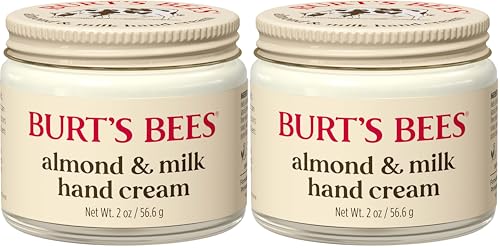
Many knitters prefer a natural ingredient profile to avoid transferring synthetic chemicals onto protein fibers like wool or alpaca. This almond milk hand cream is lightweight and smells subtle, which is a major plus if you are sensitive to heavy fragrances.
It provides a silky finish that feels very similar to the natural oils found in wool. This makes it an excellent choice for those who are worried about "stripping" or affecting the hand of their yarn while working.
However, because it is more fluid, it doesn’t provide the same long-term barrier as a wax-based balm. It is best used for quick touch-ups during a long knitting session when you need a light boost of moisture.
Working Hands Cream: Best For Cracked Cuticles

If you have ever had a deep crack at the base of your nail, you know it can ruin a knitting session entirely. This cream is specifically formulated to repair damaged, split skin and create a protective seal.
It is arguably the most effective tool for preventing the dreaded "snagging" that happens when a rough cuticle catches on a yarn strand. By healing the skin, you ensure that your yarn remains smooth and free of pilled fibers.
The trade-off is the texture, which can feel slightly tacky if you apply too much. Use only a pea-sized amount and focus specifically on the nail beds and fingertips for the best results.
Aesop Resurrection Aromatique: Best Non-Greasy

The biggest fear for many knitters is getting oily residue on their expensive hand-dyed yarns. This cream is famous for its sophisticated, botanical scent and, more importantly, its ability to vanish into the skin almost instantly.
It provides a matte finish that feels clean to the touch within seconds. This makes it the ideal choice for knitters who are working with light-colored or delicate yarns that might show oil spots or attract dust if the hands are too slick.
While it is on the pricier side, the lack of greasy residue is a massive benefit for high-stakes projects. It is a premium choice for when you are mid-project on an heirloom-quality sweater.
Kiehl’s Ultimate Strength: Best For Winter Knits

Winter knitting often involves harsh, cold air that leaves skin feeling brittle and tight. This heavy-duty cream is designed to withstand multiple hand-washings, meaning it stays on your skin through several knitting sessions.
It creates a "glove-like" barrier that is incredibly effective against the friction of wooden or bamboo needles. If you find that your skin feels raw after a long day of knitting, this is your best defense.
The downside is that it is quite heavy and can feel somewhat waxy. Use it as a pre-knitting ritual, applying it at least ten minutes before you start your project to allow the protective layer to set.
Why Knitters Need Specialized Hand Care Routines
Your hands are the bridge between your creativity and the finished fabric. When your skin is dry, it develops microscopic ridges that act like sandpaper, potentially abrading the surface of your yarn as you tension it.
This damage is often invisible to the naked eye but becomes apparent during the blocking process. A well-moisturized hand ensures that the yarn slides through your fingers with consistent tension, which is the secret to even gauge.
Think of your hands as part of your knitting kit, just like your needles or scissors. A consistent routine prevents long-term skin damage and keeps your yarn looking pristine from cast-on to bind-off.
Ingredients To Avoid When Handling Delicate Yarns
Not all ingredients are created equal when it comes to fiber health. You should generally avoid heavy mineral oils or silicones, as these can leave a permanent, waxy residue on natural fibers like wool and silk.
- Petroleum-based products: These can be difficult to wash out of delicate fibers.
- Heavy synthetic fragrances: These can cling to yarn and be difficult to remove even after washing.
- High alcohol content: This will dry out your skin further, defeating the purpose of your hand care.
Always opt for plant-based oils and natural humectants like glycerin or shea butter. These ingredients are more likely to be absorbed by your skin rather than sitting on top of it waiting to be transferred to your project.
How To Apply Cream Without Leaving Residue On Yarn
The secret to avoiding residue is all about timing and technique. Never apply a thick layer of cream immediately before picking up your needles; instead, treat it as a ritual that happens before you start your session.
Apply a small amount to the backs of your hands first, then use your palms to distribute the remaining product to your fingers. This ensures that the areas that touch the yarn the most receive the lightest application.
If you feel like you have applied too much, gently pat your hands with a clean, lint-free cotton cloth. This removes the excess moisture while leaving your skin feeling soft and protected.
Best Practices For Maintaining Your Fiber Health
Beyond creams, consider your environment and your physical habits. Keeping a humidifier in your knitting space can prevent your skin from drying out in the first place, reducing the need for constant re-application of lotion.
- Wash your hands regularly: Remove dirt and oil before starting a new project.
- Use a file: Gently buff down any rough edges on your nails or callouses.
- Hydrate from within: Drinking enough water is the most effective way to keep your skin healthy.
Remember that your skin’s needs will change depending on the season and the type of yarn you are using. Be flexible with your routine and prioritize the health of your hands to ensure a lifetime of comfortable, snag-free knitting.
Taking care of your hands is an investment in every project you create. By choosing the right cream and applying it with care, you protect your yarn from damage and ensure your stitches remain beautiful. Start incorporating these habits into your daily routine, and your hands—and your finished knits—will thank you. Happy knitting, and may your tension always be perfectly even.