6 Best Garment Brushes For Fabric Care To Use
Extend your clothing’s lifespan with our top six garment brushes. Learn how these essential tools remove lint and dust to keep your fabrics looking like new.
Investing hundreds of hours into a hand-knit sweater means you have a vested interest in keeping those fibers pristine for years to come. Proper fabric care is just as vital as choosing the right yarn weight or mastering your tension. By integrating the right tools into your maintenance routine, you can prevent matting and extend the life of your favorite garments. Here are the best tools to help you maintain your knitwear with the same precision you used to create it.
The Laundress Cashmere Brush: Best for Delicates
When you work with luxury fibers like high-micron cashmere or delicate angora, you need a tool that respects the fiber’s fragile structure. This brush is designed with soft, gentle bristles that lift surface dust without snagging the delicate halo of your yarn.
Using a harsh brush on a soft, lofty yarn can actually tear the fibers, leading to premature thinning. This tool is perfect for those "heirloom" projects where you’ve invested in expensive, single-ply yarns that deserve a light touch.
It is not meant for heavy-duty de-pilling, so don’t expect it to fix major friction damage. Think of this as a daily grooming tool to keep your delicate knits looking fresh after every wear.
Kent Clothes Brush: Best for Wool


There is a reason the Kent brush is considered the gold standard in fabric care. Its stiff, high-quality bristles are specifically engineered to penetrate deep into the structure of dense wool fabrics.
If you have a sturdy, worsted-weight wool sweater that sees a lot of wear, this brush is your best friend. It effectively removes embedded dirt and debris that can act like sandpaper on your fibers over time.
While it is an investment, the craftsmanship ensures it will last for decades. Use it with long, sweeping strokes to realign the fibers and restore the garment’s original sheen.
Redecker Garment Brush: Best for Natural Bristle Tool
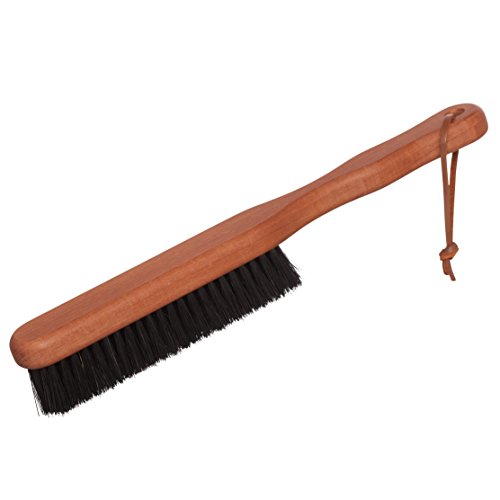
Redecker excels at utilizing high-quality, sustainable materials like oiled pearwood and stiff pig bristles. This brush feels substantial in your hand, giving you the control needed to groom heavy outdoor sweaters or felted projects.
The natural bristles are excellent at attracting dust and lint through static electricity. This makes it a superior choice for those who live in dusty environments or own pets that leave their mark on your knits.
Be aware that natural bristles can shed slightly when new, which is normal for high-quality wood tools. Once broken in, this brush provides a firm, consistent grooming experience that synthetic alternatives simply cannot replicate.
Steamery Fabric Shaver: Best for Removing Pilling
Pilling is the natural byproduct of friction, especially under the arms or at the cuffs of a sweater. The Steamery shaver is widely favored because it balances power with a protective guard that prevents the blades from cutting into your stitches.
When using this on your hand-knits, always test it on a small, inconspicuous area first. Even with a guard, you must use a light hand to avoid catching a stray loop of yarn, which could lead to a catastrophic snag.
It is highly effective for synthetic blends or superwash wools that are prone to surface fuzz. For delicate, hand-spun, or mohair yarns, however, I recommend avoiding mechanical shavers entirely to protect the yarn’s integrity.
Cedar Fresh Lint Brush: Best for Quick Touch-Ups

Sometimes you just need to remove a bit of stray cat hair or household dust before heading out the door. The Cedar Fresh tool is compact and designed for those quick, last-minute maintenance tasks.
The cedar handle adds a lovely, subtle scent to your wardrobe while providing a natural deterrent against moths. It is the perfect size to keep in your project bag or your car for on-the-go fabric care.
Don’t rely on this for deep cleaning or heavy pilling removal; it is strictly a surface-level tool. It is an affordable, practical addition to any knitter’s maintenance kit.
Philips Electric Lint Remover: Best for Heavy Use

If you have a large wardrobe of store-bought knits or frequently knit with hard-wearing acrylic blends, the Philips electric remover is a workhorse. It features a large shaving head that covers more surface area in less time.
The adjustable height settings are a critical feature for knitters. You can set the blade distance to be further away from the fabric, which is essential for preserving the loft of your hand-knitted stitches.
Always empty the lint bin frequently to ensure the motor maintains its optimal speed. If the bin gets too full, the efficiency drops and you risk pulling on the fabric rather than shaving it cleanly.
Why Proper Brushing Extends Your Knits’ Lifespan
Every time you wear a sweater, the fibers are subjected to friction, moisture, and environmental dust. When these particles settle into your stitches, they act like microscopic abrasives that wear down the fiber over time.
Regular brushing removes this debris before it can settle deep into the twist of your yarn. This simple act keeps the fibers aligned and prevents the matting that often leads to permanent, unsightly pilling.
Think of brushing as a preventative measure rather than a repair strategy. By keeping the surface clean, you maintain the yarn’s natural elasticity and prevent the garment from losing its shape or "tired" appearance.
How to Brush Wool Without Damaging Fiber Texture
The secret to brushing wool is to always work with the lay of the fiber, not against it. Use long, gentle strokes rather than short, aggressive scrubbing motions to avoid creating new friction.
If your garment has a distinct cable or textured pattern, brush lightly over the raised areas to avoid flattening the stitch definition. Focus your effort on the flat stockinette areas where dust and pilling are most likely to accumulate.
Never brush a wet garment, as wet fibers are significantly weaker and more prone to stretching or breaking. Wait until your sweater is fully dry and rested after a wash before performing any maintenance.
Natural Bristles vs. Synthetic: What to Choose
Natural bristles, such as boar or horsehair, are generally softer and gentler on delicate, high-end fibers. They are excellent for buffing and polishing the surface of your wool, helping to maintain its natural luster.
Synthetic bristles are often stiffer and more durable, making them ideal for heavy-duty cleaning or removing stubborn pet hair. They are also easier to wash and sanitize if they become heavily soiled.
- Choose natural if you primarily knit with luxury fibers like alpaca, cashmere, or fine merino.
- Choose synthetic if you frequently wear durable, utilitarian knits or have pets.
Essential Tips for Storing Your Handknits Properly
Never hang your hand-knitted sweaters on wire or plastic hangers, as the weight of the garment will stretch the shoulders and distort your hard-earned gauge. Always fold your knits and store them flat in a cool, dry place.
If you are storing your knits for the season, ensure they are clean first, as residual body oils and skin cells attract moths. Use cedar blocks or lavender sachets in your storage drawers to provide a natural, pleasant-smelling deterrent.
For long-term storage, breathable cotton bags are superior to plastic bins, which can trap moisture and lead to mildew. Remember that your knits need to "breathe" to remain supple and odor-free throughout the year.
Maintaining your hand-knits is a labor of love that honors the time and skill you poured into every stitch. By choosing the right brushes and practicing consistent care, you ensure your garments remain beautiful for years. Treat your knitwear with the same respect you give your needles, and your wardrobe will thank you. Happy knitting, and may your sweaters stay as fresh as the day they were finished.