6 Best Pressing Cloths For Protecting Delicate Fibers
Protect delicate fabrics with these six top-rated pressing cloths. Discover essential tools that prevent scorching and preserve fiber integrity while ironing.
Blocking is the final, transformative step that turns a pile of individual stitches into a polished, professional garment. Without the right protection, the high heat of an iron can easily scorch delicate fibers or flatten the beautiful loft of your hand-knit wool. A high-quality pressing cloth acts as a vital buffer, ensuring steam penetrates the fiber without leaving a permanent, shiny imprint. Investing in the right tool saves your hard work from accidental damage.
Eucalan Professional Grade Cotton Pressing Cloth
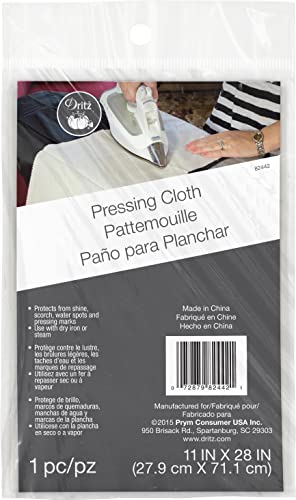

When you’ve spent months on a lace shawl, you don’t want to risk singeing the yarn with a direct iron strike. This cotton cloth is a staple because it offers a dense, breathable weave that allows steam to flow through while keeping the hot metal plate away from your fiber.
It’s remarkably durable, standing up to the high-heat settings required for stubborn linen or cotton blends. Because it is made of natural cotton, it won’t melt or stick to your iron, which is a common hazard with cheaper synthetic alternatives.
The bottom line? If you want a reliable, no-nonsense buffer that handles heavy steam for blocking sweaters, this is your go-to. It’s a workhorse that will last through years of blocking sessions.
Rowenta Pro Master Heavy Duty Pressing Cloth
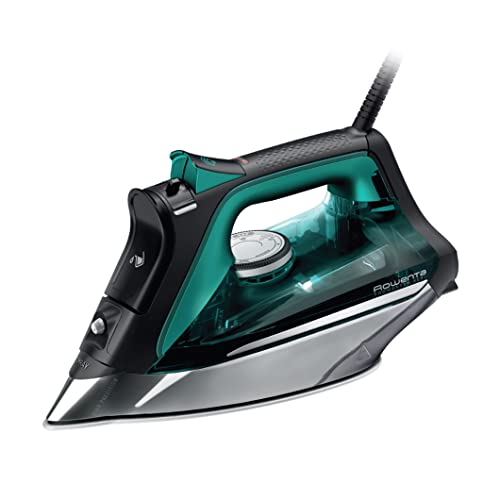
If you are dealing with heavy-gauge wools or dense, cabled cardigans, you need a cloth that can withstand significant steam pressure. The Rowenta Pro Master is designed specifically for high-output steam irons, ensuring that moisture is distributed evenly across the fabric.
Its heavy-duty construction prevents the "flattening" effect that can occur when pressing bulky yarns. While some lighter cloths become saturated too quickly, this one maintains its integrity even when you are using a heavy hand with your steam bursts.
It’s an excellent choice for the knitter who prefers a robust, industrial feel to their tools. Just be aware that its thickness means you’ll need to hold it in place firmly to ensure the steam reaches the garment underneath.
Dritz Lightweight Silicone Treated Pressing Cloth
Sometimes you need a cloth that offers a bit of extra protection against scorching, especially when working with synthetic blends or delicate superwash wools. This silicone-treated option is specifically engineered to be heat-resistant and non-stick.
The primary advantage here is the "see-through" nature of the material, which allows you to monitor your progress without lifting the cloth. This is a game-changer when you are trying to shape a garment to specific measurements on a blocking board.
However, keep in mind that silicone-treated cloths can occasionally leave a slight residue if they are overheated. Use it with a moderate iron setting to get the best results without compromising the "hand" or feel of your yarn.
June Tailor See-Through Pressing Cloth Sheet

Precision is everything when you are blocking a complex garment with specific stitch patterns. The June Tailor sheet is completely translucent, making it the top choice for knitters who need to align their work perfectly against a blocking mat’s grid.
Because it is so thin, it allows for maximum steam penetration, which is vital for relaxing the fibers in stranded colorwork. You can see exactly where your edges are, preventing you from accidentally pressing a fold into your work.
It is less durable than a heavy cotton canvas, so treat it with care to avoid tears. It is best used for final shaping and setting the stitches rather than aggressive, heavy-duty steaming.
Reliable Corporation Professional Pressing Cloth

Reliable Corporation is known for their serious garment-care tools, and their pressing cloth reflects that professional standard. It is designed to be used in conjunction with steam generators, making it perfect for the knitter who has invested in high-end equipment.
The fabric is engineered to prevent "shine," which is that dreaded glossy mark left on dark-colored wools after a hot iron. It creates a soft, diffused steam environment that gently coaxes fibers into place.
If you own an expensive iron or a steam station, this is the companion tool that protects your investment. It’s a premium choice for the knitter who treats their craft with the same seriousness as a professional tailor.
Bohin Extra Fine Cotton Pressing Cloth Set
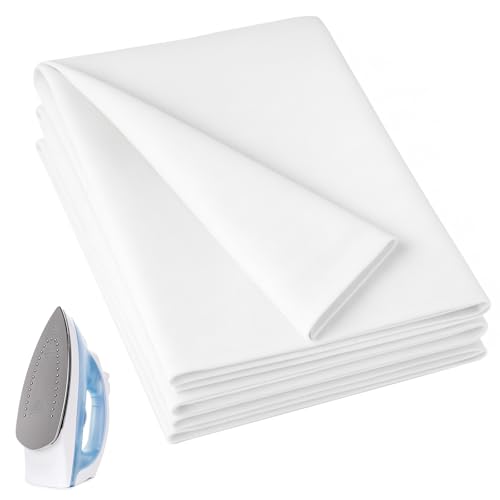
Bohin is a name synonymous with quality sewing notions, and their cotton cloth set is perfect for delicate projects. Because it is extra fine, it doesn’t leave a heavy texture imprint on your yarn, which is a common issue with coarser fabrics.
These cloths are ideal for small, intricate items like baby hats, socks, or delicate lace edging. The set allows you to have a dedicated cloth for different fiber types, preventing cross-contamination of fibers or finishes.
They are easy to wash and hold up remarkably well over time. For the knitter who values a soft, natural touch, these are the best option for maintaining the delicate halo of mohair or alpaca blends.
Why Pressing Cloths Are Essential for Knitwear
A pressing cloth is essentially a safety net for your stitches. When you apply an iron directly to wool, you risk "felting" or "killing" the fiber, which permanently removes the loft and elasticity that makes knitwear cozy.
Without a cloth, the heat can cause the yarn to become brittle or shiny, especially on darker colors. The cloth acts as a heat diffuser, turning the harsh, dry heat of an iron into a gentle, moist steam bath that relaxes the fiber.
Think of it as the difference between a harsh blow-dryer and a gentle air-dry. By using a cloth, you ensure your garment remains soft, breathable, and full of life long after the blocking process is complete.
Selecting the Best Fabric for Delicate Fibers
The fiber content of your yarn should dictate the type of pressing cloth you choose. For natural fibers like wool, alpaca, or cashmere, a thick cotton cloth is ideal because it holds moisture well and provides a soft buffer.
If you are working with delicate synthetic blends or silk, look for something lighter and more heat-resistant, like a silicone-treated or fine-weave synthetic cloth. These materials prevent the high heat from "melting" the fibers, which can happen even at lower iron settings.
- Cotton: Best for wools and plant fibers; durable and absorbent.
- Silicone-treated: Best for synthetics and delicate blends; heat-resistant.
- Fine-weave/Translucent: Best for lace and precise shaping; allows for visibility.
Proper Steam Techniques for Hand-Knit Garments
The biggest mistake knitters make is "ironing" rather than "steaming." You should never drag the iron across your knitting, as this will distort your stitch gauge and ruin the shape you’ve worked so hard to achieve.
Instead, place your pressing cloth over the garment and hover the iron just above the surface, or press down firmly for a few seconds and lift. Let the steam do the heavy lifting; the iron is merely the delivery vehicle for the moisture.
Always check your yarn label for heat sensitivity before you start. If you are unsure, test a small swatch first to see how the fiber reacts to the steam and pressure before committing to the whole garment.
Maintaining Your Pressing Cloth for Longevity
Like any tool in your knitting bag, your pressing cloth needs to be kept clean to function properly. Over time, steam can cause mineral buildup from your water, or the cloth might pick up lint from your yarn.
Periodically wash your cotton pressing cloths in warm water with a gentle detergent to remove any residue or dust. Avoid using fabric softeners, as these can leave a film on the cloth that might transfer to your beautiful hand-knits during the next blocking session.
Store your cloths folded neatly or rolled up, away from direct sunlight, so they stay crisp and ready for your next project. A well-maintained pressing cloth is a small but significant detail that elevates your work from "homemade" to "handmade."
Choosing the right pressing cloth is an investment in the longevity and beauty of your hand-knitted pieces. Whether you prioritize visibility for lace or heavy-duty protection for bulky wools, there is a tool here to suit your specific needs. Treat your garments with the care they deserve by always using a buffer between your iron and your fiber. Happy blocking, and may your finished projects always look as stunning as they feel.