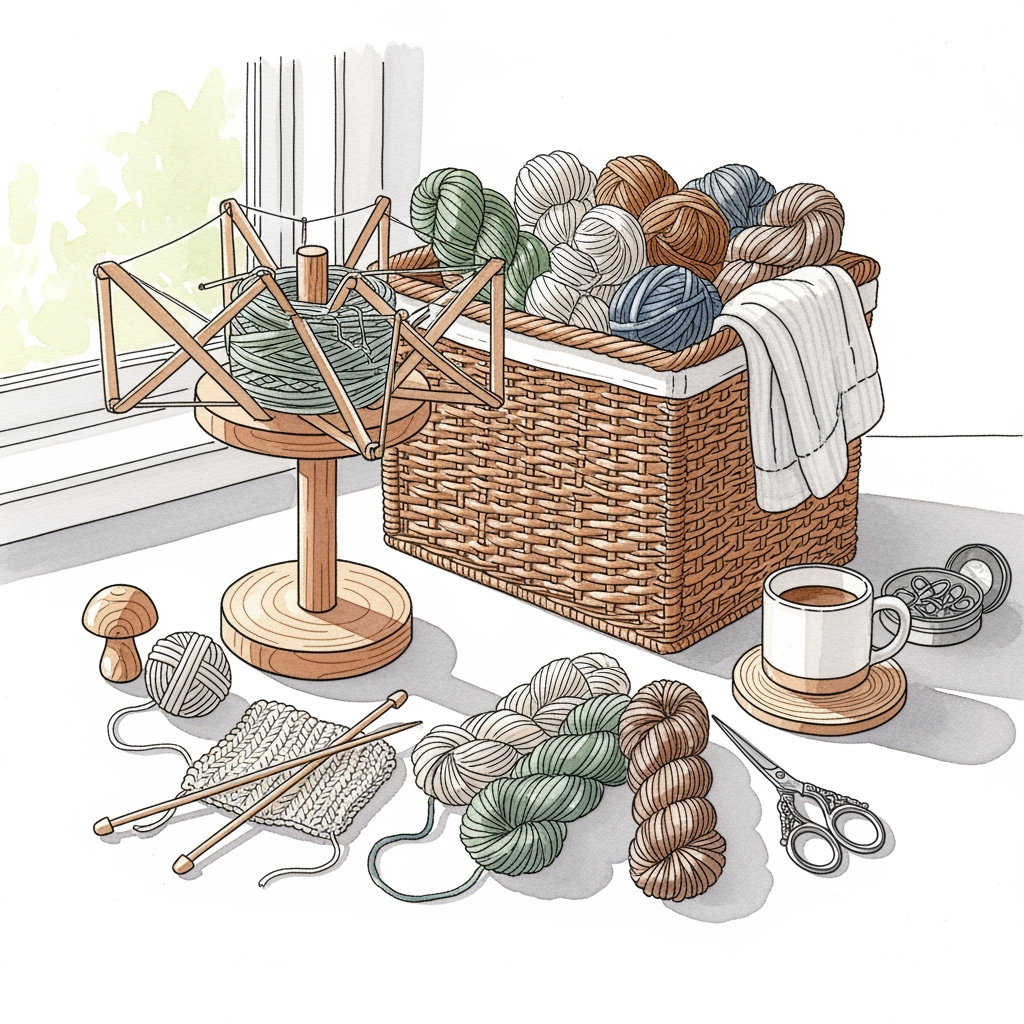
6 Best Yarn Storage Bins For Bulk Wool To Organize Stash
Organize your growing wool collection with our top six storage bin picks. Discover durable, breathable solutions to keep your bulk yarn stash neat and safe.
Every knitter knows the bittersweet joy of a growing yarn stash, but left unmanaged, those beautiful skeins can quickly become a tangled, dust-collecting liability. Proper storage is the difference between a pristine, ready-to-knit collection and a heartbreaking discovery of moth damage or flattened, felted fibers. These curated storage solutions help you categorize your wool by weight, fiber, and project potential. Investing in the right bins now ensures your precious hand-dyed merino and luxury alpaca remain in perfect condition for years to come.
The Container Store Weathertight Totes: Best Overall


These totes are the gold standard for long-term storage because they feature a specialized silicone gasket that creates a truly airtight seal. When you are storing expensive hand-dyed wool or fragile cashmere, you cannot afford to leave the door open to humidity or dust.
The clear construction allows you to see your color palette without unstacking every bin in your closet. I find these especially useful for separating by weight; you can dedicate one tote entirely to fingering weight sock yarns and another to chunky, bulky sweaters-in-waiting.
The trade-off is the price point, which is higher than standard hardware store bins. However, if you have invested hundreds of dollars into your stash, these are the best insurance policy you can buy.
Sterilite Gasket Box: Best Moisture-Proof Storage
If you live in a region with high humidity, moisture is the enemy of your natural fibers. These gasket boxes provide a reliable barrier against damp air that can cause mold or mildew to develop in the center of a yarn cake.
The locking latches are incredibly secure, which is essential if you have pets or children who might try to "help" organize your stash. I recommend these for storing your long-term overflow that you don’t plan on touching for months at a time.
Because they are so airtight, remember to ensure your yarn is 100% dry before sealing it away. Even a hint of moisture trapped inside can lead to unpleasant odors that are difficult to remove from raw wool.
Iris USA Clear Plastic Bins: Best for Visibility

Sometimes, the best way to be inspired to start a new project is to actually see the yarn you already own. These bins are exceptionally clear, making them perfect for "stash diving" when you are looking for the perfect contrast color for a stranded colorwork project.
They stack well, though they lack the heavy-duty gasket seal of more expensive options. They are ideal for a climate-controlled craft room where moisture and pests are less of a concern.
Use these for your "active" stash—the yarn you plan to use within the next six months. It’s a great way to keep your current project queue visible and organized.
Rubbermaid Cleverstore Clear: Best Stackable Option

The genius of the Rubbermaid Cleverstore design lies in its straight-wall construction. Unlike many bins that taper toward the bottom, these allow you to stack yarn cakes or hanks edge-to-edge without wasting precious space.

The lids are recessed, which provides extra stability when you are stacking them floor-to-ceiling in a closet. This is a massive benefit for knitters with limited square footage who need to maximize vertical storage.
Because they are clear and sturdy, they are excellent for sorting by fiber composition. You can easily label the front to distinguish your plant-based fibers, like cotton and linen, from your animal fibers.
Whitmor Fabric Storage Cubes: Best Breathable Pick

Natural fibers like wool, mohair, and alpaca need to breathe to maintain their loft and natural oils. If you are storing your yarn in a cool, dry, and dark closet, fabric cubes are a fantastic alternative to plastic.
These are particularly good for storing finished hand-knits or sweaters that you aren’t currently wearing. They prevent the fibers from becoming "stuffy" while keeping them protected from direct sunlight, which can fade vibrant hand-dyed colors.
They aren’t ideal for long-term storage in areas prone to pests or dust. Always pair these with a cedar block or lavender sachet to provide a layer of natural protection.
Songmics Foldable Storage Boxes: Best for Shelving

These boxes are designed to fit perfectly into standard cube shelving units, turning a messy yarn corner into a curated boutique display. They are excellent for keeping your stash organized by project type, such as one box for sock yarn and another for bulky hat yarn.
The fabric construction is lightweight, making them easy to pull down from high shelves when you need to grab a specific skein. They aren’t airtight, so they are better suited for a frequently rotated stash.
If you have a dedicated knitting nook, these provide a clean, aesthetic look. They keep your yarn accessible while preventing the visual clutter that often comes with a large fiber collection.
Why Breathability Matters for Natural Wool Fibers
Wool is a protein fiber that reacts to its environment; it can absorb and release moisture based on the humidity of the room. When you trap wool in a non-breathable container, you risk creating a micro-environment that can lead to fiber degradation over time.
While airtight bins are necessary to prevent moth infestations, you should occasionally "air out" your stash. Every few months, open your bins for an hour to allow fresh air to circulate through the fibers.
This is especially important for luxury fibers like angora or cashmere, which can become brittle if kept in a completely stagnant environment. Balance your storage needs by using airtight bins for long-term protection and breathable options for your active stash.
How to Protect Your Stash From Pesky Moths and Pests
Moths are the nightmare of every knitter, and they are remarkably good at finding their way into even the smallest crevices. The most effective defense is a physical barrier—keeping your yarn in sealed, airtight containers is far more effective than any spray or chemical.
- Cleanliness is key: Moths are attracted to the lanolin and skin oils left behind on yarn. Always wash your hands before handling your stash, and never store "dirty" or used yarn with your clean skeins.
- Natural Repellents: Use cedar blocks or essential oil-infused sachets like lavender or rosemary. Note that these do not kill established infestations; they only act as a deterrent.
- The Freezer Method: If you suspect you have brought a moth-prone skein into your house, seal it in a plastic bag and place it in the freezer for at least 48 hours. This kills eggs and larvae without damaging the fiber.
Sorting Your Stash by Weight and Fiber Composition
Organizing by weight is the most practical way to manage a stash because it aligns with how you choose patterns. When you find a beautiful sweater pattern, you want to know immediately if you have the right amount of DK or Worsted weight yarn on hand.
- Weight Categories: Group by lace, fingering, sport, DK, worsted, and bulky.
- Fiber Composition: Keep your superwash wools separate from non-superwash. Superwash wool is treated to prevent felting, while non-superwash is more delicate and prone to shrinking.
- The "Project-Ready" Method: If you have a specific pattern in mind, store that yarn with the printed pattern or a swatch. This keeps your inspiration focused and prevents "stash paralysis."
Essential Tips for Long-Term Yarn Storage Success
Always store your yarn away from direct sunlight, as UV rays can break down the proteins in wool and cause significant color fading. Even the most vibrant kettle-dyed yarn will lose its luster if left in a sun-drenched window for a season.
Keep your stash in a cool, dry place. Avoid basements or attics where temperature fluctuations are extreme, as these shifts can stress the fibers and potentially lead to moisture buildup.
Finally, keep a digital or physical inventory of what you own. It is far too easy to buy a duplicate colorway when you forget what is buried at the bottom of a bin; a simple spreadsheet or a Ravelry stash page will save you both money and storage space.
Organizing your yarn stash is a labor of love that honors the time and money you have invested in your craft. By choosing the right storage containers and following a few simple maintenance habits, you can keep your wool safe and ready for your next cast-on. Remember that the best storage system is one that you actually use consistently. Now that your stash is organized, you can finally focus on what really matters: picking your next project and enjoying the rhythm of the needles.