6 Best Fabric Glues For Tassel Security Experts Use
Discover the top 6 fabric glues trusted by experts to secure tassels. Learn which adhesives offer the best durability, flexibility, and finish for your crafts.
Securing a tassel to a finished project is the final, critical step that determines whether your hard work stays intact or unravels after a few uses. While many crafters reach for the first adhesive they find in the drawer, tassel security requires a delicate balance of flexibility and industrial-strength hold. Choosing the wrong glue can leave your yarn stiff, discolored, or prone to detaching from the cap entirely. Here are the professional-grade solutions that ensure your tassels remain a permanent, beautiful feature of your fiber art.
Aleene’s Flexible Stretchable Fabric Glue


When you are working with high-twist wools or superwash yarns that have a natural "spring," you need an adhesive that moves with the fiber. Aleene’s Flexible Stretchable glue is a staple because it doesn’t dry into a brittle, glass-like shell that can snap under tension.
This glue is particularly effective for tassels that will see frequent movement, such as those on a decorative throw or a child’s hat. Because it retains a degree of elasticity, the bond between the yarn bundle and the metal or wooden cap won’t fail when the tassel is tugged or swung.
Keep in mind that this formula takes longer to cure than others on this list. If you are rushing to finish a gift, you must allow for a full 24-hour drying period to ensure the bond is truly secure.
E6000 Craft Adhesive for Heavy Tassel Knots
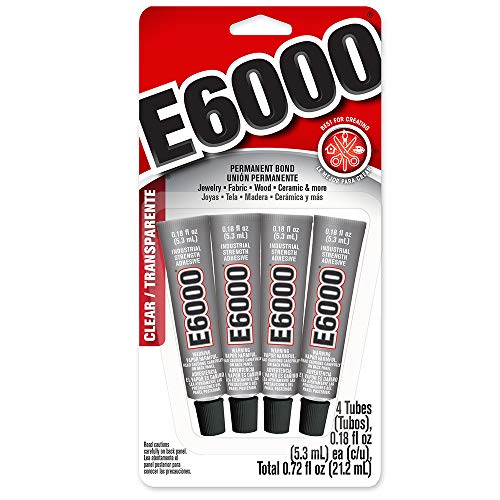
If you have ever made a massive tassel using bulky-weight yarn or multiple strands of mohair, you know that standard craft glues often fail to penetrate the core of the knot. E6000 is the heavy hitter of the adhesive world, providing an industrial-strength bond that is virtually permanent.
This is my go-to choice for tassels that will be attached to items subjected to wear and tear, like heavy-duty tote bags or home decor. It grips onto synthetic caps and metal findings with a tenacity that lighter glues simply cannot match.
The trade-off here is the fumes and the thickness of the product. You must work in a well-ventilated area and apply it sparingly, as it can be difficult to clean up if you accidentally smear it onto your finished knitting.
Beacon Fabri-Tac Permanent Adhesive Liquid

Beacon Fabri-Tac is beloved in the fiber arts community because it grabs almost instantly. For a knitter who is tired of holding a tassel in place for ten minutes while waiting for the glue to set, this is a game-changer.
It dries clear and stays relatively flexible, making it a versatile choice for both natural fibers like cotton and synthetic blends. I find it works exceptionally well when you need to "tack" a tassel knot into a cap before adding a secondary decorative element.
Be aware that because it grabs so quickly, you have very little room for error. Once it touches the yarn, it’s going to bond, so make sure your tassel is perfectly positioned before you press it into the cap.
Dritz Liquid Stitch for Precision Bonding
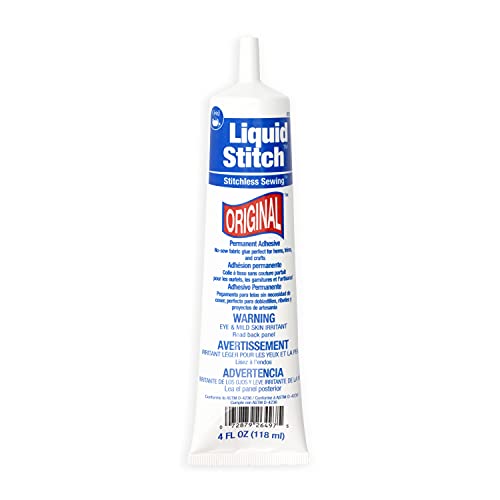
Precision is the name of the game when you are working with fine-gauge lace or delicate silk yarns. Dritz Liquid Stitch features a narrow applicator tip that allows you to place the glue exactly where you need it without saturating the entire tassel head.
This is ideal for projects where you don’t want the glue to "bleed" down the strands of the yarn. By keeping the adhesive strictly inside the cap, you maintain the soft, fluid movement of the tassel fibers.
It is a water-based formula, which makes it much safer to handle than solvent-based glues. However, it is not as water-resistant as other options, so it is best reserved for accessories that won’t be exposed to heavy rain or frequent washing.
Gutermann HT2 Textile Glue for Fiber Arts

Gutermann is a brand synonymous with quality in the sewing world, and their HT2 textile glue is a hidden gem for knitters. It is specifically formulated to bond fibers together without leaving a noticeable residue or stiffening the yarn excessively.
I recommend this for projects where the tassel is a high-visibility focal point, such as on a hand-knit scarf or a shawl. It provides a clean, professional finish that looks as though the tassel was factory-attached.
Because it is a specialized textile glue, it handles the unique surface texture of yarn better than general-purpose craft glues. It is a reliable, middle-of-the-road choice that balances strength with aesthetic appeal.
Tear Mender Instant Fabric and Leather Glue
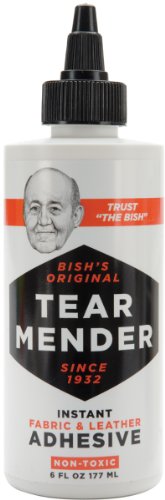
Tear Mender is unique because it is a natural latex-based adhesive that bonds almost instantly and is surprisingly resistant to washing. If you are attaching tassels to a garment that will be machine-washed, this is your best defense against disintegration.
It is incredibly thin, which allows it to soak into the fibers of the tassel knot and create a solid, unified plug of yarn. This "plug" then sits snugly inside your tassel cap, making it nearly impossible for individual strands to pull loose.
Because it is latex-based, check for allergies before using it in your studio. It is a highly effective, no-nonsense tool that prioritizes function over form, making it perfect for the practical knitter.
How to Choose the Right Glue for Tassel Fibers
Selecting the right glue depends entirely on the fiber content of your yarn. Natural fibers like wool and alpaca are porous and absorb glue well, while synthetics like acrylic or nylon are slicker and require a stronger, more aggressive bond.
- For Wool/Natural Fibers: Use water-based adhesives like Gutermann HT2 or Aleene’s.
- For Synthetic/Slick Fibers: Opt for solvent-based, high-strength glues like E6000.
- For Heavy-Duty Use: Prioritize fast-curing, high-bond adhesives like Tear Mender.
Always consider the "drape" of your project. If you want the tassel to flow freely, avoid glues that dry into hard, plastic-like chunks, as these will weigh down the top of the tassel and inhibit movement.
Preventing Glue Stains on Delicate Yarn Fibers
The biggest mistake I see beginners make is applying too much glue, which inevitably causes it to wick up the yarn strands. To prevent this, use a toothpick or a fine-gauge knitting needle to apply the glue directly to the inside of the cap rather than onto the yarn itself.
If you are working with light-colored or white yarn, be hyper-aware of the glue’s color when dry. Some adhesives yellow over time, so always check the label to ensure the product dries "crystal clear" rather than just "clear."
If you do get a small amount of glue on your yarn, resist the urge to wipe it immediately, as this will spread the adhesive. Let it dry completely and then carefully pick it off with a pair of tweezers or a tapestry needle.
Proper Application Techniques for Tassel Caps
The secret to a secure tassel is creating a "knot plug" that is slightly larger than the opening of the cap. When you insert this knot into the cap, the pressure helps the glue bond the yarn to the inner walls, creating a mechanical lock.
Use a small amount of glue on the very top of the knot, and then a thin ring of glue around the inside rim of the cap. This "double-barrier" approach ensures that even if one part of the bond fails, the other holds firm.
Always allow the glue to reach a "tacky" state if the instructions suggest it. Trying to force a wet, slippery knot into a cap often results in the glue being pushed out the sides, creating a mess that ruins the look of your work.
Testing Fabric Glues on Different Yarn Blends
Never assume a glue will work on a new yarn just because it worked on your last project. I keep a "test card" in my knitting bag with small scraps of my most-used yarns—merino, cotton, acrylic, and mohair—glued to a piece of cardboard.
When you start a new project, take a small 2-inch scrap of your yarn, tie a tiny knot, and test your glue of choice. Pull on the yarn after the recommended cure time to see if the fibers pull out of the knot or if the knot pulls out of the cap.
This five-minute test can save you hours of frustration later. It allows you to see exactly how the glue interacts with the specific twist and fiber content of your yarn before you commit to the final assembly of your project.
Securing a tassel is an art form that blends technical precision with a bit of patience. By selecting the right adhesive for your specific fiber blend and applying it with intention, you ensure that your tassels are as durable as they are beautiful. Remember that the best glue is the one that meets your project’s unique needs, whether that is extreme durability or a soft, flexible finish. Happy knitting, and may your tassels always stay firmly in place.