7 Best Acid Dyes For Wool Fibers To Try Today
Discover the top 7 acid dyes for vibrant, long-lasting wool results. This guide compares professional-grade options to help you master your next fiber project.
Dyeing your own wool transforms a simple skein of yarn into a unique piece of art that reflects your personal palette. Whether you are aiming for a semi-solid tonal look for a cabled sweater or a wild variegated skein for socks, choosing the right dye is the most critical step. Over the last two decades, I have seen many knitters struggle with dull colors or bleeding yarn simply because they chose the wrong chemistry for their fiber. This guide breaks down the best acid dyes on the market to ensure your next project is as vibrant as your vision.
Jacquard Acid Dyes: The Industry Gold Standard


If you walk into any well-stocked local yarn shop or fiber studio, you will likely see Jacquard dyes on the shelf. They are the go-to for a reason: they are incredibly reliable and easy to find.
These dyes are highly concentrated, meaning a tiny half-teaspoon goes a long way toward saturating a hundred grams of wool. Because they are so consistent, they are the best choice for beginners who are still learning how to measure and mix their own color ratios.
The tradeoff here is that the color range, while extensive, can sometimes feel a bit "primary" until you start mixing them yourself. If you are looking to replicate a very specific, muted boutique colorway, you will need to spend some time experimenting with color theory before you commit to a large batch.
Dharma Trading Co. Acid Dyes: Best Color Range

When you have a very specific vision—like the exact dusty sage of a vintage sweater—Dharma Trading Co. is where you turn. Their color catalog is vast, offering subtle shifts in hue that you simply cannot find in smaller, pre-packaged dye sets.
For the knitter who wants to create a cohesive collection of yarns for a stranded colorwork project, this range is a dream. You can find multiple variations of a single color family, which makes creating a gradient or a fade much easier.
Keep in mind that with such a large range, some colors behave differently in the dye bath than others. Some pigments exhaust quickly, while others require a bit more patience and heat to fully bond with the wool fibers.
Ashford Wool Dyes: Easiest for Fiber Beginners

Ashford dyes are designed specifically for the fiber arts community, and they show it in their simplicity. They come in small, convenient pots that take the guesswork out of measuring, which is perfect if you are just starting your dyeing journey.
These dyes are formulated to be very forgiving. If you have ever worried about your yarn coming out splotchy or uneven, Ashford’s leveling properties help the color distribute more evenly across the fiber.
They are ideal for someone who wants to dye their first skein of yarn without needing a chemistry degree. The bottom line: if you want a low-stress experience that yields professional-looking results, start here.
Lanaset Dyes: Superior Washfastness and Depth

Lanaset dyes are the heavy hitters of the dyeing world, often used by professional hand-dyers who sell their yarn at festivals. They bond to the fiber with incredible strength, resulting in colors that are exceptionally washfast.
If you are knitting a garment that will see a lot of wear, like a pair of wool socks that need frequent laundering, these are your best bet. The colors are deep, rich, and remarkably resistant to fading over time.
The downside is that they are more expensive and require a more precise pH balance in your dye bath. You will need to be diligent about using a citric acid or vinegar solution to ensure the dye sets properly.
Country Classics Dyes: Best for Soft Pastels

Not every project calls for high-contrast, neon colors. Sometimes, you want the soft, ethereal look of a hand-dyed pastel, and that is where Country Classics excels.
Their color palette is intentionally curated to be soft and sophisticated. They are excellent for baby garments or delicate lace shawls where you want the stitch definition to shine through without being overwhelmed by intense color.
Because these dyes are lighter in tone, they are also less prone to showing "breaks" or uneven spots. If you are nervous about your technique, these dyes provide a very graceful margin for error.
ProChem WashFast Dyes: Professional Consistency
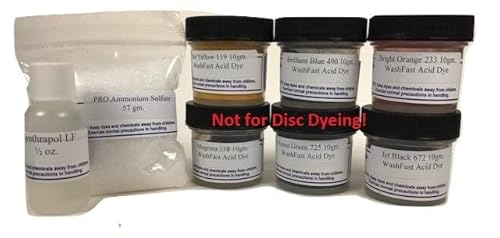
ProChem is the brand you choose when you are ready to scale up your production. If you are planning to dye enough yarn for a full-sized adult sweater, you need a dye that remains consistent from the first gram to the last.
These dyes are known for their high purity and excellent solubility. They dissolve completely in water, which prevents those tiny, unsightly speckles of undissolved dye powder from landing on your beautiful yarn.
They are a bit more technical to use, often requiring a specific temperature range to reach their full potential. If you are a seasoned knitter who enjoys the process as much as the result, ProChem offers the level of control you crave.
Greener Shades Dyes: The Best Eco-Friendly Choice
For the environmentally conscious knitter, the choice of dye is just as important as the source of the wool. Greener Shades dyes are formulated to be free of heavy metals, making them a much safer option for your home studio.
They provide excellent color saturation and lightfastness without relying on the harsh chemicals found in traditional industrial dyes. You get the same vibrant results while minimizing your environmental footprint.
It is a great feeling to know that the yarn you are knitting with was processed with care for the planet. Just remember that because they are formulated differently, you should always perform a small test swatch to see how they react to your local water supply.
Essential Safety Gear for Dyeing Wool at Home
Dyeing is a fun, creative process, but it involves handling concentrated powders that should not be inhaled or ingested. You need a dedicated space and the right protective equipment to keep your workspace safe.
- A high-quality dust mask (N95 or better): Essential for preventing the inhalation of fine dye particles.
- Nitrile gloves: Protect your hands from staining and irritation.
- Dedicated kitchenware: Use pots, spoons, and measuring cups that never return to food service.
- Good ventilation: Always work near an open window or with a fan to keep the air moving.
Treat your dye studio like a professional lab. Keep your powders stored in sealed containers and wipe down your surfaces immediately after use to prevent cross-contamination.
How to Properly Exhaust Your Acid Dye Bath
"Exhausting the bath" is the process of ensuring all the dye has bonded to the wool, leaving the water clear. When the water is clear, you know your yarn is colorfast and won’t bleed when you wash it later.
Start by adding your acid (vinegar or citric acid) to the water before adding the dye. Slowly bring your dye bath to a simmer, but avoid a rolling boil, as this can felt the delicate wool fibers.
If the water is still colored after 30 minutes, add a tiny bit more acid and let it sit. Patience is your best tool here; letting the dye bath cool down naturally often helps the last of the pigment bond to the fiber.
Troubleshooting Common Wool Dyeing Mistakes
Even the most experienced dyers hit a snag now and then. If your yarn comes out with unwanted white patches, it is likely because you didn’t stir the dye bath enough or the yarn was too crowded in the pot.
If your color is too light, you may have used too little dye or your water was too alkaline. Always test your water pH with strips; if it is too high, the dye simply won’t stick to the wool.
Remember that superwash wool absorbs dye much faster than non-superwash wool. If you are mixing fiber types in the same pot, you will get uneven results, so always try to dye similar fibers together for the most predictable outcome.
Dyeing your own wool is a rewarding extension of the knitting craft that allows for total creative freedom. By understanding the unique properties of these seven dye brands, you can choose the right tools for your specific project goals. Take your time, prioritize safety, and don’t be afraid to experiment with your own color recipes. Your finished projects will carry a depth and character that you simply cannot find in store-bought yarn.