6 Best Natural Fiber Cleaning Solutions for Finished Scarves
Keep your scarves pristine with these six natural fiber-safe cleaners. Learn the best gentle solutions to preserve fabric integrity and extend garment life.
Investing dozens of hours into a hand-knit scarf means you deserve a cleaning routine that respects the integrity of your fibers. Whether you are working with rustic highland wool or delicate lace-weight silk, the wash you choose dictates the longevity of your stitches. Using the wrong detergent can strip essential oils or leave behind residues that attract pests. These six solutions are staples in my studio for keeping finished pieces looking like new for years.
Eucalan Delicate Wash: Best Overall for Wool


Eucalan is the gold standard for a reason, primarily because it is a no-rinse formula that contains lanolin. This natural wax, derived from sheep’s wool, helps replenish the fiber’s protective coating after the stresses of knitting and daily wear.
I reach for this when I have a scarf made of untreated wool that feels a bit "thirsty" or dry. Because you don’t need to rinse it out, you minimize the amount of agitation the scarf undergoes, which is the number one cause of unwanted felting.
The trade-off here is the scent options, which can be quite potent for those with sensitive noses. If you are sensitive to fragrance, stick with the Unscented version to ensure your finished piece doesn’t carry a heavy perfume.
Soak Wash: Best Rinse-Free Option for Fibers
Soak is incredibly popular because it is formulated to be gentle on both natural fibers and your hands. It is a thin, liquid detergent that dissolves instantly in cool water, making it perfect for quick blocking sessions.
This is my go-to when I am blocking a delicate lace scarf where I need the fibers to relax completely without any soapy residue. It is exceptionally effective at removing body oils and light dust that accumulate during the winter months.
While it is excellent for most fibers, remember that it does not contain the extra lanolin found in other wool-specific washes. If you are washing a very rustic, dry wool, you might find that it doesn’t provide that same "softening" boost as a lanolin-rich product.
Kookaburra Gentle Wash for Natural Proteins

Kookaburra is a unique, tea-tree oil-based wash that is legendary in the fiber arts community for its ability to clean deeply. It is particularly effective if you are dealing with a scarf that has picked up a musty basement smell or has been stored for a long time.
The tea tree oil acts as a natural deodorizer and mild antimicrobial agent. I often recommend this for vintage wools or thrifted yarns that need a serious refresh before they are ready to be worn against the neck.
Because it is quite potent, a little goes a very long way. Be careful not to overuse it, as the tea tree scent can be overwhelming if you use more than the recommended teaspoon per basin.
The Laundress Wool & Cashmere Shampoo Choice
This is a luxury product that feels like a spa treatment for your most expensive, hand-dyed cashmere or merino blends. It is pH-neutral and specifically designed to prevent the fibers from becoming brittle or stiff over time.
I suggest using this for those "heirloom" scarves that you put immense effort into, such as complex cables or intricate colorwork. It maintains the vibrancy of the yarn and keeps the stitch definition crisp.
The downside is the price point, which is significantly higher than standard wool washes. It is an investment, so reserve this for your high-end fibers rather than your everyday acrylic or budget-wool blends.
Tenestar Specialized Silk and Wool Cleaner
Tenestar is a niche product that excels specifically with animal proteins like silk, angora, and mohair. Silk is notoriously difficult to wash because it can lose its sheen or become "crunchy" if the pH of the detergent is off.
When I am working with a luxury silk-mohair blend, I don’t trust anything else. It preserves the delicate luster of the silk while keeping the mohair halo soft and fluffy rather than matted.
It is harder to find in local shops, so you may need to order it online. If you are a fan of shiny, high-end fibers, it is worth keeping a bottle in your stash for those special, once-a-year cleaning sessions.
Orvis Natural Fiber Wash for Durable Scarves
Orvis is a workhorse detergent designed for those heavy, cabled scarves that get a lot of wear and tear. It is a bit more robust than the delicate washes, making it ideal for fibers that are prone to trapping dirt.
If you have a scarf made of a hearty, non-superwash wool that you wear on hikes or in harsh weather, this is your best bet. It cleans thoroughly without stripping the natural character of the wool.
It is not as gentle as the others on this list, so I would avoid using it on hand-painted silks or extremely fine lace. Save this for your "everyday" winter gear that needs a reliable, deep clean.
Essential Tools Needed for Proper Scarf Care
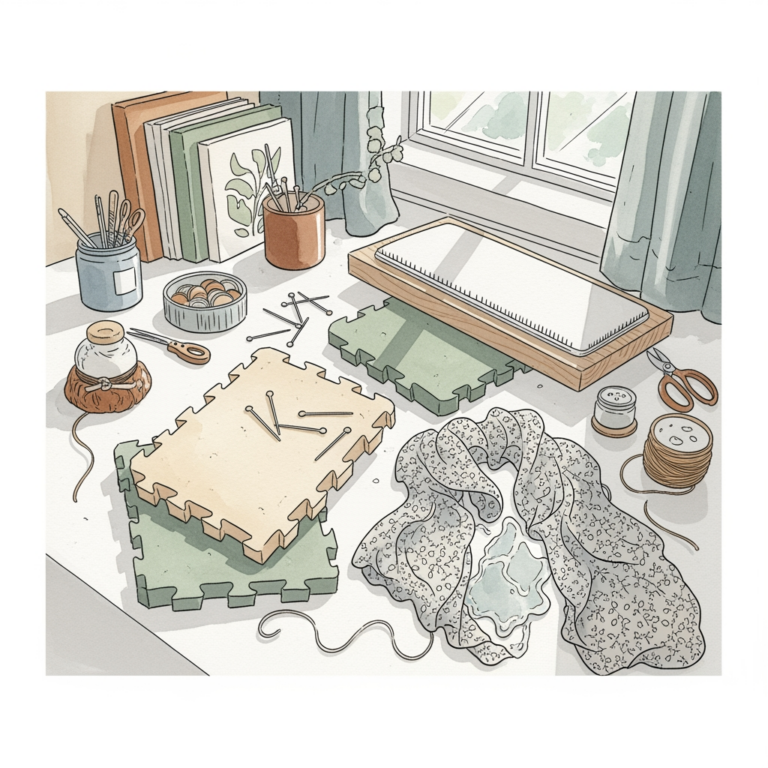
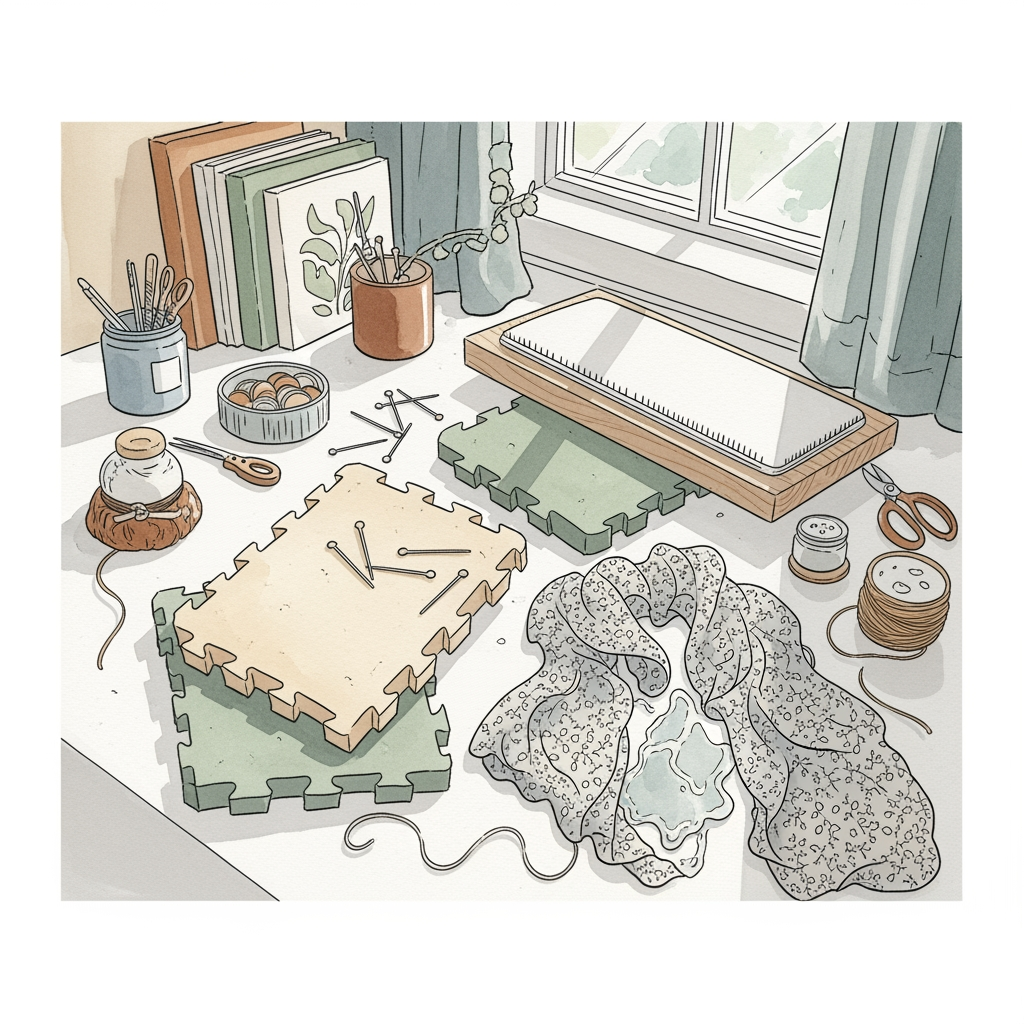
Beyond the detergent, you need the right hardware to ensure your scarf doesn’t lose its shape. A dedicated basin is essential, as using a kitchen sink can leave behind grease or food residues that you don’t want on your wool.
- Large plastic basin: Must be clean and free of cracks.
- Absorbent towels: Use light-colored, lint-free towels to avoid color transfer.
- Blocking mats: Essential for pinning your scarf to the correct dimensions.
- Rust-proof T-pins: Never use standard pins, as they will rust and stain your hard work.
Always keep these items stored together in a "blocking kit." Having everything ready to go reduces the friction of starting the wash process, meaning you are more likely to care for your scarves regularly.
How to Safely Hand Wash Your Hand-Knit Scarves
Hand washing is a meditative process, but it requires patience to avoid felting. Start by filling your basin with cool water and mixing in your chosen wash before adding the scarf.
Gently submerge the scarf and let it soak for at least 15 to 20 minutes. Never rub, scrub, or wring the fabric, as the mechanical action of friction combined with water is exactly how felting occurs.
Once the soak is done, lift the scarf out of the water, supporting its full weight so it doesn’t stretch. Gently squeeze the water out against the side of the basin, then move to the drying stage immediately.
Drying Techniques to Maintain Scarf Shape
Never hang a wet hand-knit scarf to dry, as the weight of the water will cause the fibers to stretch permanently. Instead, lay your scarf flat on a clean, dry towel and roll it up like a burrito to remove excess moisture.
Unroll the scarf and transfer it to your blocking mats. Use your T-pins to gently shape the scarf to your desired measurements, ensuring the edges are straight and the stitch patterns are open.
Allow the scarf to dry completely in a well-ventilated area, away from direct sunlight or heat sources. Drying too quickly near a radiator can make the fibers brittle, so slow and steady is always the better approach.
Preventing Moth Damage in Your Scarf Storage
Moths are the sworn enemy of every knitter, and they are particularly attracted to clean, protein-rich fibers like wool and cashmere. Before storing your scarves for the season, ensure they are 100% clean, as even trace amounts of skin oils can attract pests.
Store your clean, dry scarves in airtight containers or vacuum-seal bags. If you prefer a more natural approach, use cedar blocks or dried lavender sachets in your storage bins.

Check your storage once every few months to ensure no pests have made a home. If you suspect an infestation, place the item in a sealed bag and put it in the freezer for 48 hours to kill any eggs or larvae.
Caring for your hand-knit scarves is just as important as the actual knitting process itself. By choosing the right wash and following a careful drying routine, you ensure your work remains a cherished piece for decades. Remember that fiber arts are a practice of patience, and the way you treat your finished objects is the final stage of that craft. Treat your scarves with the same kindness you put into your very first stitch.