6 Best Skein Ties For Preventing Tangles During Dyeing
Prevent tangles while dyeing yarn with these six essential skein ties. Discover the best materials to keep your fiber organized and secure during the process.
Nothing ruins a perfect dye session faster than pulling a tangled, felted mess out of the dyepot. Proper skein management is the unsung hero of professional-looking hand-dyed yarn. By choosing the right ties, you ensure your yarn stays organized from the soak to the final rinse. Here are the six best options to keep your fiber pristine and tangle-free.
Cotton Butcher’s Twine: Best for Heat Resistance
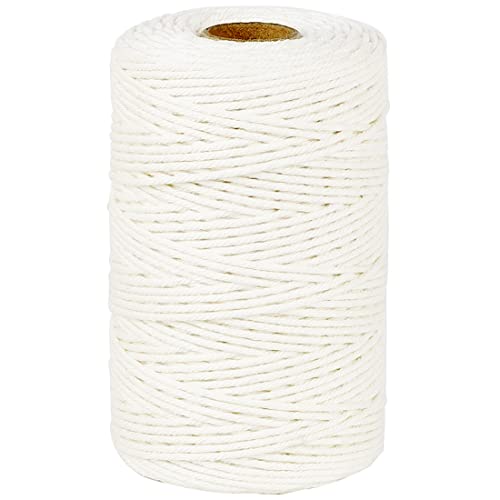

Cotton butcher’s twine is a staple in the dye studio because it is incredibly heat stable. Unlike synthetic fibers that might soften or warp in a high-temperature steam set, cotton stays rigid and reliable.
Because it is made of natural fibers, it won’t melt or fuse to your yarn during a long simmer. It is also inexpensive and widely available, making it a low-risk investment for bulk dyeing.
The trade-off is that cotton twine can sometimes absorb dye, which might lead to "resist" marks if the twine is wrapped too tightly. Always ensure your knots are secure but not so tight that they prevent the dye from penetrating the yarn underneath.
Nylon Zip Ties: Best for Durability and Speed

If you are dyeing large batches of yarn, nylon zip ties are a massive time-saver. You simply pull them until they are snug, and they won’t budge regardless of how much you stir the dyepot.
They are virtually indestructible during the dyeing process. You won’t have to worry about them snapping or coming undone, which is a common frustration with softer, knotted ties.
However, be careful with the locking mechanism. If you pull them too tightly, they can be difficult to remove without accidentally nicking your yarn with scissors. Always leave a small "tail" on the tie to make removal easier and safer.
Silicone Cable Ties: Best for Reusable Options

Silicone cable ties are a fantastic eco-friendly choice for the dyer who wants to reduce waste. They are soft, flexible, and can be used over and over again for years.
Because they are made of silicone, they are heat-resistant and won’t stain as easily as cotton. They also provide a gentle grip that holds the skein together without crushing the delicate fiber structure.
The initial cost is higher than a roll of twine, but they pay for themselves over time. Just ensure you wash them thoroughly between dye batches to prevent cross-contamination of colors.
Waxed Linen Thread: Best for Secure Knotting

Waxed linen is the gold standard for those who prefer the traditional "figure-eight" tie method. The wax provides a natural tackiness that keeps your knots from slipping while you handle the wet, heavy skeins.
It is incredibly strong and thin, so it doesn’t leave a large "resist" gap in your colorway. This is particularly important for variegated yarns where you want the dye to be as consistent as possible.
Because the thread is thin, it can be a bit harder on your fingers when pulling it tight. Use a crochet hook or a fid to help pull the knots if you find the thread digging into your skin.
Braided Hemp Cord: Best for Natural Grip

Hemp is a remarkably strong natural fiber that holds up beautifully in the dyepot. It has a slightly rougher texture than cotton, which provides excellent grip against the yarn, preventing the ties from sliding around the skein.
It is an excellent choice for those who are sensitive to synthetic materials or want to maintain a completely natural studio environment. It also handles high heat and acidic dye baths without breaking down.
Keep in mind that hemp cord can sometimes be a bit stiff. It is best to soak your ties in water before using them to make them more pliable and easier to knot securely.
Polyester Braided Cord: Best for Colorfastness

Polyester braided cord is the ultimate choice if you are worried about your ties bleeding or interacting with your dye. It is synthetic, non-porous, and generally immune to the chemicals used in most dyeing processes.
It comes in various thicknesses, allowing you to choose a sturdier cord for heavy wool skeins or a thinner one for delicate lace-weight yarns. Because it is braided, it is less likely to fray than spun cotton or linen.
The main downside is that it is slippery. You must ensure you use a secure knot, like a surgeon’s knot, to prevent the ties from coming loose during the agitation of the dye process.
How to Properly Tie Your Skeins to Avoid Tangles
To prevent tangles, you should always use at least four ties per skein. Place them at equal intervals around the loop of the yarn to keep the strands aligned and prevent them from twisting into a knot.
The "figure-eight" method is the most effective way to secure a skein. By wrapping the tie through the center of the skein, you effectively lock the strands in place, preventing them from shifting during the soak.
Never tie your skeins so tightly that you create a "resist" where the dye cannot reach. Aim for a tension that is firm enough to hold the shape but loose enough to allow the dye liquor to flow freely.
Why Fiber Content Dictates Your Tie Material
When dyeing delicate fibers like mohair or silk, avoid using rough or abrasive ties that could cause the fiber to bloom or felt. Soft, smooth materials like silicone or braided polyester are much gentler on these luxury yarns.
If you are dyeing sturdy, high-twist wool, you can be more aggressive with your tie material. In these cases, nylon zip ties or thick hemp cord are excellent choices that will stand up to the weight of the wet wool.
Always consider the "memory" of the yarn. If you are dyeing a yarn that is prone to haloing, use ties that are easy to remove without snagging the delicate fibers.
Essential Tips for Securing Skeins Before Dyeing
Always make sure your skeins are twisted or looped consistently before you apply your ties. If the yarn is already tangled before you tie it, the dyeing process will only set those tangles into a permanent mess.
Check your knots one last time before the yarn hits the water. A loose tie in the dyepot is a recipe for a disaster that can take hours to untangle later.
Label your skeins if you are doing multiple colorways. A small tag attached to one of your ties can save you from the headache of trying to identify which skein is which once they are dry.
Frequently Asked Questions About Skein Management
Q: Do I need to remove my ties before the yarn is dry? A: It is generally better to leave them on until the yarn is mostly dry to maintain the structure, but remove them before the yarn is bone-dry to prevent "kinks" in the yarn.
Q: Will the ties leave a mark on the yarn? A: Yes, this is called a "resist." You can minimize this by using thinner ties and ensuring they are not pulled excessively tight.
Q: Can I use rubber bands? A: I strongly advise against it. Rubber bands can break down in hot dyepots, leaving sticky residue on your yarn that is nearly impossible to remove.
Mastering the art of skein ties is a small but critical step in your journey as a dyer. By choosing the right material for your specific project, you protect your hard work and ensure professional results. Take the time to secure your skeins properly, and you will spend your time knitting rather than untangling. Happy dyeing!