7 Best Fabric Glues For Permanent Appliqué Bonding
Discover the top 7 fabric glues for permanent appliqué. This guide evaluates bond strength and washability to help you choose the best adhesive for your crafts.
Adding appliqué to a hand-knitted garment is a delicate art that requires adhesives capable of moving with the natural elasticity of yarn. While traditional sewing is the gold standard for durability, the right fabric glue can provide a clean, professional finish that preserves your stitches. Choosing the wrong product can lead to stiff, unsightly patches or, worse, irreversible damage to your carefully crafted fibers. This guide explores the best adhesives to ensure your embellishments stay secure through years of wear and washing.
Aleene’s Fabric Fusion: Best Overall Permanent Glue
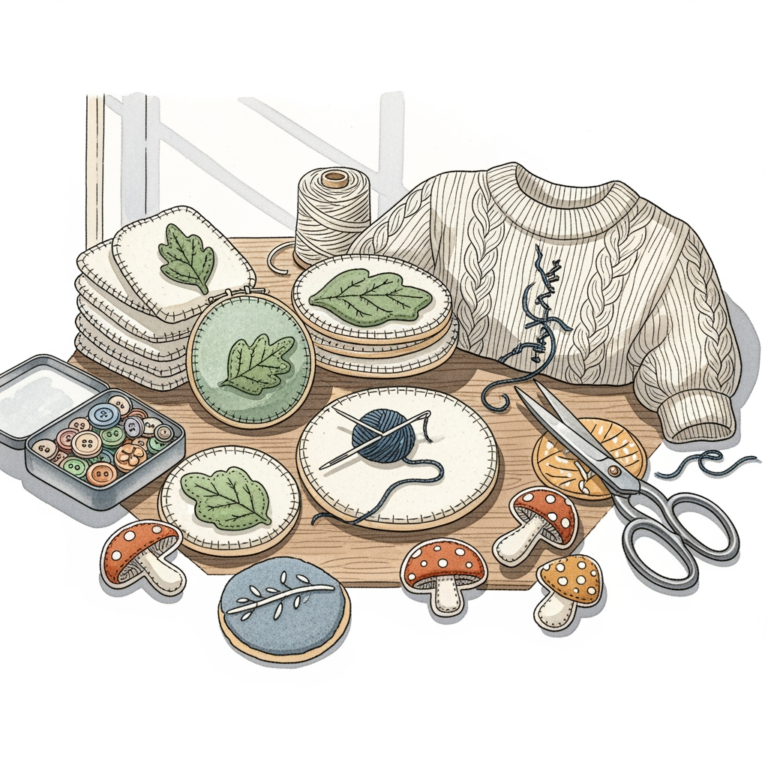
Aleene’s Fabric Fusion is a staple in many sewing kits because it bridges the gap between a strong bond and a flexible, soft finish. When you are applying a felted motif to a wool sweater, you need a glue that won’t turn the fabric into a hard, plastic-like board.
This formula is water-based, which makes it significantly less intimidating for those working with natural fibers like merino or alpaca. It dries clear and remains supple, meaning the drape of your knit fabric isn’t compromised by the weight of the appliqué.
The real-world tradeoff here is the drying time; it isn’t instantaneous. You will need to pin your appliqué in place and give it a full 24 hours to cure properly before you even think about blocking or wearing the garment.
Dritz Liquid Stitch: Best for Quick Hemming Tasks
Liquid Stitch is the "quick fix" tool for knitters who need to secure a folded edge or a small appliqué without pulling out a needle and thread. It acts almost like a liquid basting agent that sets into a permanent bond.
This is particularly useful when you are working with slippery synthetic blends that fight against your sewing needle. If you’re adding a decorative ribbon or a patch to a synthetic acrylic scarf, this glue provides the necessary grip without the frustration of tension issues.


However, be mindful that it can be slightly stiffer than other options when fully cured. Use it sparingly on lightweight yarns to avoid creating a rigid line that feels unnatural against the skin.
E6000 Craft Adhesive: Best for Heavy Duty Bonding
E6000 is the heavy hitter of the adhesive world, often used for attaching non-fabric elements like metal buttons or heavy leather patches to knitwear. It is incredibly strong, but it is also quite thick and can be difficult to control.
Because it is a solvent-based adhesive, it creates a bond that is virtually indestructible. If you are attaching a heavy, decorative brass emblem to a sturdy, worsted-weight wool jacket, this is the product that will keep it attached through thick and thin.
The downside is that it is not very forgiving; once it touches the yarn fibers, it is there to stay. Always use a toothpick to apply it in tiny, controlled dots rather than squeezing it directly from the tube, or you will end up with a messy, permanent clump in your knitting.
Tear Mender Instant Fabric Glue: Best for Repairs
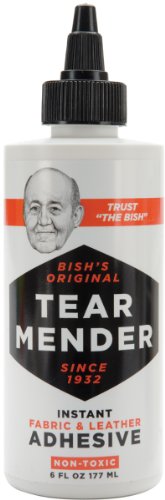
Tear Mender is a unique, latex-based adhesive that is prized for its ability to bond instantly and remain incredibly flexible. It is a lifesaver when you have a small snag or a loose appliqué corner that needs an immediate, reliable repair.
Unlike many other glues, it is waterproof and resists the repeated agitation of a washing machine. This makes it a fantastic choice for items that see heavy use, such as mittens or hats that are constantly being pulled on and off.
Because it is latex-based, check for allergies before using it on garments that will be in direct contact with sensitive skin. It’s a specialized tool that excels at speed and durability, but it isn’t the best choice for delicate lace or fine silk blends.
Beacon Fabri-Tac Permanent: Best for Fast Drying
Beacon Fabri-Tac is legendary for its ability to grab fabric surfaces almost immediately upon contact. If you’ve ever struggled to hold an appliqué in place while waiting for glue to set, this is the solution to your frustration.
It is a solvent-based glue that dries quickly and leaves a strong, permanent bond that holds up well to dry cleaning. It is excellent for those moments when you are in a rush to finish a gift and don’t have the luxury of an overnight cure.
Because it dries so fast, you have very little room for error. Practice your placement on a swatch of scrap yarn first to ensure your alignment is perfect before you commit to the final bond on your finished project.
Hemline Fabric Glue: Best for Precision Appliqué

Hemline is designed with the detail-oriented crafter in mind, often featuring a precision tip that allows for very fine application. When you are working with small, intricate appliqué shapes on a delicate knitted surface, you need that level of control.
It is designed to penetrate the fibers just enough to hold them without soaking through to the other side of your knitting. This is a common problem with thinner glues, which can bleed through your work and create a messy, dark stain on the reverse side.
It strikes a good balance between holding power and ease of use. It is my go-to choice for smaller, decorative elements where aesthetics are just as important as the strength of the bond.
Unique Stitch Fabric Glue: Best Washable Formula

Unique Stitch is a favorite for knitters who are concerned about the longevity of their garments after many trips through the laundry. It is specifically engineered to be permanent, even after repeated washings, which is vital for everyday knitwear.
The formula is non-toxic and dries clear, which is a relief when you are working with light-colored yarns. It doesn’t yellow over time, ensuring that your white or cream-colored projects stay pristine.
While it is highly washable, it still requires proper curing time to reach its full strength. Don’t be tempted to wash your garment too soon; give it the full manufacturer-recommended time to set, and your appliqué will stay put for years.
How to Choose the Right Glue for Fabric Appliqué
The most important factor in choosing a glue is the weight and fiber content of your yarn. A heavy, bulky wool will handle a thicker, stronger adhesive like E6000, while a fine fingering-weight sock yarn requires a much lighter, more flexible touch.
Consider the "hand" or drape of your finished project. If you are gluing a patch onto a drapey shawl, a stiff glue will ruin the way the fabric moves around your shoulders.
Always look for "permanent" on the label, but verify that it is also "flexible." A permanent bond that turns into a brittle plastic will eventually crack and pull away from your soft, pliable yarn fibers.
Testing Fabric Adhesion Before Permanent Bonding
Never skip the swatch test, especially when working with expensive hand-dyed yarns. Take a small piece of the same yarn you used for your project and apply the glue to a scrap of the appliqué material to see how they interact.
Check for "bleed-through," where the glue seeps to the back of the knitting, and observe how the texture of the yarn changes once the glue is dry. Does the yarn become hard? Does it change color?
Testing allows you to adjust your application technique, such as using less glue or applying it only to the edges of the appliqué. It is far better to sacrifice a small swatch than to ruin the front of a sweater you’ve spent weeks knitting.
Tips for Preventing Glue Stains on Delicate Fibers
The biggest mistake beginners make is applying too much glue, which inevitably leads to it squeezing out from under the edges. Use a needle or a fine-tipped applicator to place tiny dots of glue rather than drawing a solid line.
If you are worried about staining, place a piece of wax paper or parchment paper between the layers of your knitting. This prevents the front of the garment from accidentally bonding to the back while the glue is curing.
Finally, if you do get a small amount of glue on the surface, don’t rub it. Let it dry completely and see if it can be gently picked off with a pair of tweezers; rubbing while wet usually just pushes the glue deeper into the fibers.
Selecting the right fabric glue is an essential skill that allows you to elevate your knitting projects with professional-grade embellishments. By considering the weight of your yarn, the flexibility of the adhesive, and the importance of thorough testing, you can ensure your hard work is protected. Take your time, practice on swatches, and don’t be afraid to let your projects cure properly before showing them off. With these tools in your kit, you’ll be ready to tackle any appliqué project with confidence and grace.