6 Best Shawl Pins For Accessory Closure To Try
Elevate your knitwear with our top six shawl pins. Discover stylish, secure closures that combine functionality with elegance for every handmade accessory.
A well-chosen shawl pin is the difference between a garment that stays securely draped and one that constantly slips off your shoulders. After two decades at the needles, I have learned that the right closure does more than hold fabric; it acts as the final piece of jewelry for your hard work. Whether you are working with heavy wool or delicate laceweight mohair, the pin you choose must respect the integrity of your stitches. Here are six reliable options to consider for your next finished project.
Jul Designs Pewter Shawl Pin: The Classic Choice
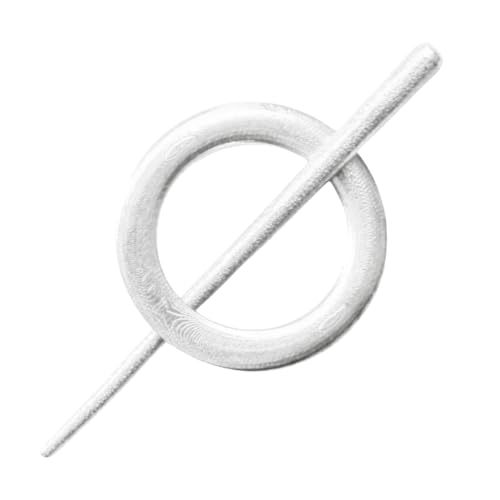

These pewter pins are the gold standard for durability and aesthetic weight. Because they are cast from metal, they possess a structural rigidity that holds heavy, cabled, or felted shawls in place without bending under the pressure of the fabric.
The intricate designs often mimic historical motifs, making them a stunning focal point for a simple garter stitch shawl. They don’t just pin; they anchor. If you have spent weeks working on a heavy worsted-weight piece, you need a pin that won’t sag or lose its shape under the weight of the wool.
Be aware that these pins can be heavy. I always suggest testing the weight against your specific yarn density before committing, as a heavy metal pin can pull on delicate, airy lace if the pin placement isn’t balanced correctly.
Brittany Birch Shawl Pin: Best Wooden Option
When you are working with slippery fibers like alpaca, silk, or bamboo blends, wood is often your best friend. The natural texture of the birch provides just enough "grip" to prevent the pin from sliding out of your shawl during the day.
These pins are incredibly lightweight, which is ideal if you are worried about distorting the drape of a lightweight lace project. They feel warm to the touch and won’t snag on delicate fibers because of their smooth, hand-finished surface.
Because they are wood, they are naturally more flexible than metal. Do not force them through dense, tight fabric, or you risk snapping the stick. Treat them with the same care you would give your favorite wooden circular needles.
Knitter’s Pride Symfonie Wood Shawl Pin Set

This set is a fantastic investment for the knitter who likes to rotate between different projects. The multi-colored, polished wood is aesthetically pleasing and matches almost any color palette, from earthy neutrals to vibrant hand-dyed yarns.
The strength of the Symfonie wood is superior to standard birch, offering a higher density that resists breaking. This makes them a reliable choice for shawls that have a bit more "heft" to them.
Because these pins are finished with a high-gloss polish, they won’t snag on your yarn. However, if you are working with very loose, open-work lace, the thickness of the pin might be an issue. Always check the gauge of your pin against the size of your yarn overs.
Lantern Moon Ebony Wood Shawl Stick Selection
Ebony is a dense, luxurious hardwood that feels substantial without being heavy. These pins are perfect for the knitter who appreciates the tactile experience of high-quality tools and wants a closure that feels like an heirloom.
The dark, rich grain of the wood provides a sophisticated contrast to lighter-colored shawls. Because the wood is so smooth, it glides through stitches effortlessly, making it easy to adjust your shawl throughout the day without tugging on the fibers.
Like all wooden tools, these require a little bit of maintenance. Keep them away from extreme heat and moisture to prevent the wood from drying out or warping over time.
Namaste Bamboo Shawl Pin: Best Minimalist Pick
Sometimes, you don’t want your shawl pin to be the star of the show. The Namaste bamboo pins offer a clean, understated look that lets the stitch pattern of your shawl take center stage.
Bamboo is naturally lightweight and has a slight "tooth" that keeps it from migrating out of your fabric. This is my go-to recommendation for beginners who are nervous about their pin falling out of a loose, airy shawl.
These pins are very flexible, which is a double-edged sword. While they are unlikely to snap, they can bend if you try to push them through too many layers of fabric. Use them for light-to-medium weight shawls for the best results.
Clover Takumi Bamboo Shawl Pin: Best Budget Buy

You don’t need to spend a fortune to get a reliable closure. Clover’s bamboo pins are widely available, consistent in quality, and incredibly gentle on your yarn.
They are essentially the "workhorse" of the shawl pin world. If you are a prolific knitter who finishes a shawl every month, having a few of these in your notions bag ensures you are never without a way to secure your work.
The finish is excellent, avoiding the rough splinters that can plague cheaper wooden tools. While they may lack the ornate detail of a pewter piece, their reliability and accessibility make them a staple for any serious knitter.
How to Choose the Right Pin for Your Shawl Fiber
Choosing the right pin is essentially a game of friction management. If you are working with a high-twist wool that has plenty of "grab," a smooth metal pin will work beautifully.
- For Slippery Fibers (Silk, Bamboo, Rayon): Choose wood. The natural friction of the grain helps the pin stay put.
- For Heavy, Dense Fibers (Wool, Alpaca, Cotton): Choose metal. You need the structural integrity to hold the weight of the fabric.
- For Delicate Lace: Choose a thinner, lightweight pin to avoid distorting your carefully blocked stitches.
Always consider the "tooth" of the yarn. If your yarn has a halo (like mohair or angora), be extra cautious, as the fibers can easily get caught on the decorative elements of a pin.
Metal vs. Wood Pins: Which Suits Your Knitting?
Metal pins are generally more durable and offer a wider range of decorative, sculptural designs. They are excellent for heavy, winter-weight shawls that require a sturdy anchor.
Wooden pins offer a softer, more organic aesthetic and are generally kinder to your hands and your yarn. They are quieter, lighter, and provide better grip, but they are susceptible to breakage if handled roughly.
If you are prone to dropping your tools or if your knitting bag gets tossed around, metal is the safer bet. If you prefer a lightweight, tactile experience and are mindful of your tools, wood is a delight to use.
Preventing Snags When Using Decorative Pins
The most common cause of snagging isn’t the pin itself, but how it is inserted. Never force a pin through a stitch; always aim for the space between the stitches.
If your pin has a decorative head, ensure it is smooth and free of burrs. I recommend running a pair of nylon stockings over the pin—if it catches on the nylon, it will catch on your luxury hand-dyed yarn.
Check the point of the pin before every use. If the tip has become blunt or slightly jagged, a quick buff with a very fine-grit sanding block or a nail file can restore its smoothness and save your project from a pulled thread.
Essential Tips for Securing Delicate Lace Shawls
Lace is fragile, and the wrong pin can easily ruin the structure you achieved during blocking. When pinning lace, try to capture a "bar" of the stitch rather than a single strand of yarn.
- Distribute the weight: Don’t rely on a single point of entry. Weave the pin in and out of the fabric to distribute the tension.
- Avoid the "stretch": If the pin pulls the fabric into a distorted shape, you have placed it through too few stitches.
- Use the right size: A pin that is too thick will stretch your yarn overs, permanently altering the look of your lace.
If you are worried about the pin slipping out of fine lace, use a small, clear silicone earring back on the tip of the pin once it is in place. It is a simple, invisible trick that ensures your shawl stays secure all day long.
Finding the perfect shawl pin is a journey of balancing weight, texture, and personal style. My best advice is to keep a small collection of both wood and metal options in your notions bag so you are always prepared for the specific needs of your current project. Remember that your shawl pin is the final functional detail that protects your hours of hard work. Choose wisely, treat your yarn with care, and enjoy the way your finished piece drapes.