6 Best Needle Caps For Pointed Tips To Use
Protect your sharp knitting needles with these six top-rated caps. Discover durable, secure options that prevent stitches from slipping and keep tips safe.
Every knitter has experienced the heart-stopping moment of watching a stitch slide off a needle and begin to ladder down their hard-earned fabric. Point protectors are more than just plastic doodads; they are the essential insurance policy for your project bag. Whether you are working on delicate lace or heavy wool sweaters, these small tools keep your stitches secure and your needle tips intact. Choosing the right cap depends on your needle material, project size, and how much you value portability.
ChiaoGoo Point Protectors: Best for Sharp Tips


If you work with fine lace needles, you know the struggle of finding a cap that actually stays on a needle with a razor-sharp point. ChiaoGoo protectors are specifically engineered to accommodate the aggressive taper of stainless steel needles without splitting or popping off.
These caps feature a unique internal design that grips the needle shaft firmly rather than just sitting on the tip. Because they are made from a slightly firmer silicone, they don’t deform under the pressure of sharp points over time.
For knitters who prefer the "lace" style of needles, these are a non-negotiable addition to the notions tin. They provide a snug fit that won’t migrate even when tossed into a crowded project bag.
Clover Soft Point Protectors: Best for Comfort

Clover protectors are the gold standard for knitters who find traditional plastic caps too rigid or difficult to remove. Their soft, pliable material makes them exceptionally easy to slide on and off, even for those with arthritis or limited hand strength.
These caps often come in a "flower" or "star" shape, which prevents them from rolling off your table and under the sofa. While they are very soft, they provide a gentle, secure hold that won’t damage the finish of your bamboo or wooden needles.
If you are prone to dropping your needles, the tactile, rubbery surface of these caps offers just enough friction to keep them from sliding off a flat surface. They are a fantastic, low-stress option for everyday knitting.
KnitPicks Needle Point Protectors: Best Value
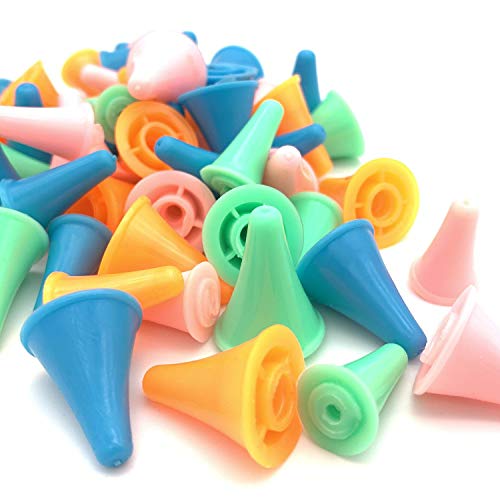
When you have a dozen projects on the needles at once, buying high-end protectors for every single pair becomes expensive. KnitPicks offers a reliable, no-frills solution that gets the job done without breaking the bank.
These are typically sold in multi-packs, making them perfect for stocking your entire collection of needles. They are lightweight and unobtrusive, meaning they won’t pull on your fabric or weigh down your knitting while it sits in a bag.
They may not have the aesthetic appeal of luxury leather or specialized silicone, but they are incredibly consistent. If you are a prolific knitter who needs to secure many projects simultaneously, this is the most practical choice.
Cocoknits Leather Point Keepers: Best Luxury
For the knitter who appreciates the tactile experience of natural materials, leather point keepers are a beautiful upgrade. They provide a sophisticated, durable way to secure your stitches that feels much more substantial than plastic.
These keepers use a magnetic closure, which is a brilliant, non-abrasive way to hold your needles together. Because they don’t rely on friction against the needle tip, they won’t cause wear or tear on your wooden needle finishes.
They are particularly excellent for larger needle sizes where plastic caps often feel loose or insecure. While they are an investment, they offer a level of elegance and longevity that plastic alternatives simply cannot match.
Susan Bates Point Protectors: Best for Storage

Susan Bates protectors are designed with a unique internal structure that mimics the shape of a needle point. This allows them to fit securely on a wide range of needle sizes, from very fine to quite thick.
They are particularly effective for knitters who store their needles in rolls or cases where space is at a premium. Their compact design doesn’t add unnecessary bulk, keeping your needle case organized and preventing the "spiky" feeling of exposed needles.
If you have a large collection of needles that you rotate through frequently, these are the workhorses of the storage world. They are durable, easy to find in a notions bag, and provide a very reliable seal.
Boye Rubber Point Protectors: Best for Basics

Boye rubber protectors are the classic, reliable choice that most knitters encounter when they first start their journey. They are simple, functional, and perform exactly as expected without any complex features.
Their rubber construction provides excellent grip, ensuring that they stay firmly in place even if your project bag gets jostled. They are also quite forgiving, fitting a variety of needle brands and materials with ease.
While they may not be the most stylish option, they are incredibly effective at preventing dropped stitches. For a beginner looking for their first set of notions, these are the perfect place to start.
Why Point Protectors Are Essential for Your Kit
A dropped stitch in a complex lace pattern can take twenty minutes to ladder back up, or worse, require you to rip back rows. Point protectors act as a physical barrier, ensuring that your work stays exactly where you left it.
They also protect the tips of your needles from damage. A nicked or bent needle tip can snag delicate fibers like silk or alpaca, leading to uneven tension and frustrating snags in your finished fabric.
Finally, they protect you. Sharp needle tips can poke holes in project bags or even scratch your skin when you reach into your bag, so a cap acts as a necessary safety measure.
How to Match Protectors to Your Needle Material
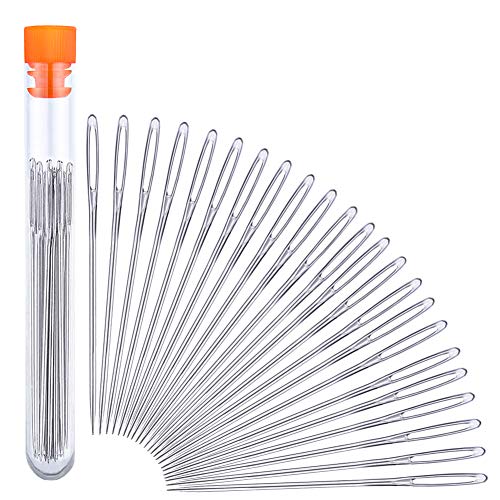
When using slick metal needles, you need a protector with a bit more "grab" or friction to prevent it from sliding off. Silicone or rubber caps are ideal here, as they provide the necessary resistance to stay put on smooth surfaces.
For wooden or bamboo needles, you have more flexibility, but you should avoid caps that are overly tight. If a cap is too difficult to remove, you risk splintering the wood or snapping the tip of a delicate needle when you pull it off.
Always test the fit before storing your project for a long period. If the cap leaves a residue or feels like it is deforming the wood, choose a slightly larger size or a softer material.
Preventing Stretched Stitches During Storage
One common mistake is pulling the point protector on too tightly, which can stretch out the last few stitches on your needle. This results in a loose, uneven edge when you pick up your knitting again.
To avoid this, ensure the protector is only covering the very tip of the needle, rather than pushing it deep into the stitches. You want to secure the needle, not force the fabric to expand to accommodate the cap.
If you are storing a project for months, consider moving your stitches onto a stitch holder or a piece of smooth waste yarn. This is the safest way to ensure your fabric maintains its shape over long periods of inactivity.
Common Mistakes When Using Needle Point Caps
The most frequent error is assuming one size fits all. Using a cap that is too small for your needle size can stretch the plastic, making it loose and ineffective for future projects.
Another mistake is leaving protectors on while the project is being worked on. They can add unnecessary weight, which can cause your hands to fatigue faster or lead to uneven gauge as you fight the extra drag.
Finally, don’t forget to check your caps for wear and tear. Over time, silicone can lose its elasticity or become gummy; if a cap no longer snaps firmly onto the needle, it is time to retire it.
Investing in quality point protectors is a small step that pays dividends in project security and needle longevity. By matching the right material to your specific needles and being mindful of how you store your work, you can avoid the heartbreak of lost stitches. Keep your needles safe, your stitches secure, and your focus on the joy of creating. Happy knitting!