6 Best Wool Wash Bars For Garment Care To Use
Discover the top 6 wool wash bars for gentle garment care. Learn how these eco-friendly, effective cleansers preserve fiber integrity and extend clothing life.
After spending two decades at the loom and needles, I’ve learned that the life of a handknit garment is determined as much by how you wash it as how you knit it. Choosing the right cleanser is the difference between a sweater that lasts for generations and one that felts into a stiff, unusable mess. While liquid detergents are common, solid wash bars offer a level of precision and gentleness that is hard to beat. Here are the best options to keep your woolens soft, clean, and structurally sound.
Eucalan No-Rinse Delicate Wash Bar: Best Overall


Eucalan is a staple in my knitting bag for a reason: it’s the gold standard for blocking lace shawls and delicate woolens. The bar format offers the same lanolin-enriched formula as the liquid, which helps replenish the natural oils lost during the spinning and dyeing process.
Because it is a no-rinse formula, you avoid the mechanical agitation of rinsing your garment under a tap. For a heavy, water-logged wool sweater, that lack of movement is crucial to preventing stretching or accidental felting.
If you are working with high-twist wools or intricate cables, this bar is your best bet for maintaining fiber integrity. Just rub the bar into a wash basin until the water is sudsy, soak your project, and squeeze out the excess.
Soak Wash Travel Bar: Best for Sensitive Skin

If you are prone to skin irritation from standard detergents, Soak’s travel bar is a game-changer. It is formulated to be incredibly gentle, making it perfect for items that sit directly against the skin, like cowls or baby blankets.
I often recommend this for knitters who suffer from contact dermatitis when wearing certain wools. The ingredients are designed to clean without leaving a chemical residue that might trigger a reaction.
The bar format is also incredibly convenient for blocking on the go or during workshops. It’s compact, won’t leak in your project bag, and gives you a consistent, controlled amount of soap every time.
The Laundress Wool & Cashmere Bar: Premium Choice
When you’ve spent months knitting a luxury garment out of pure cashmere or fine merino, you want a wash that feels equally sophisticated. This bar is specifically formulated for high-end fibers, focusing on cleaning while preserving the loft and "bloom" of the yarn.
It’s particularly effective at removing body oils that can attract moths over the summer storage months. If you’ve invested in expensive hand-dyed yarn, this bar helps keep the colors vibrant without the harsh surfactants found in grocery store soaps.
It is a premium product, so I suggest reserving it for your "heirloom" knits. For everyday socks or sturdy wool hats, a more economical option will suffice, but for that special sweater, this is worth the splurge.
Unicorn Fibre Wash Bar: Best for Heavy Soiling

Sometimes, a project needs more than just a light soak; it needs a deep clean. Unicorn Fibre is a powerhouse, especially if you’re dealing with vintage wool or a thrifted sweater that has seen better days.
This bar excels at lifting stubborn grime without stripping the wool of its necessary moisture. It works efficiently on both animal fibers and synthetic blends, making it a versatile tool for any knitter’s laundry room.
If you’ve finished a long-term project that has been sitting in your knitting basket for months, a quick wash with this can remove the dust and oils accumulated during the process. It’s a heavy-duty option that still respects the delicate nature of wool.
Kookaburra Wool Wash Bar: Best Eco-Friendly Pick

Kookaburra is a favorite among those who prioritize sustainability in their fiber arts practice. It is biodegradable and uses tea tree oil as a natural deodorizer, which is excellent for refreshing wool that has been stored in a cedar chest or closet.
The scent is clean and herbal, avoiding the synthetic "fresh linen" perfumes that can be overwhelming. It’s an honest, effective cleaner that doesn’t rely on harsh chemicals to get the job done.
For knitters who are conscious of their environmental footprint, this is the clear winner. It cleans effectively while remaining gentle on the water systems once it goes down the drain.
Twig & Horn Wool Soap Bar: Best for Handknits
Twig & Horn understands the specific needs of the handknitting community, and their soap bar reflects that expertise. It is designed to be mild enough for the most delicate handknits while providing enough cleaning power to handle everyday wear.
The bar is formulated to be easy to handle, even when wet, which prevents you from dropping it into your wash basin. This is a small detail, but when you are handling a heavy, soaking-wet wool blanket, you don’t want to be fumbling with a slippery bar of soap.
I find this bar particularly good for blocking. It rinses out cleanly, leaving no soap film behind to weigh down the fibers or change the drape of your finished piece.
Why Solid Wash Bars Are Superior to Liquid Soaps
The primary advantage of a solid bar is the ability to control the concentration of the wash. With liquid detergent, it is far too easy to "over-soap," which leaves a residue that can make wool feel stiff or sticky.
- Portability: Bars are spill-proof and TSA-friendly.
- Precision: You only use what you need, reducing waste.
- Longevity: A single bar can last through dozens of wash cycles.
Furthermore, many liquid detergents contain additives like brighteners or enzymes that can actually damage animal fibers over time. Wash bars tend to have shorter, cleaner ingredient lists, which is exactly what we want for protein-based fibers like wool, alpaca, and mohair.
How to Properly Wash Wool Without Damaging Fibers
The golden rule of washing wool is to avoid temperature shock and agitation. Always use lukewarm water, as extreme shifts from hot to cold can cause the fibers to felt or shrink instantly.
- Fill the basin first: Never run water directly onto the garment.
- Submerge gently: Press the garment down; don’t scrub or twist.
- Soak time: 15-20 minutes is usually sufficient to pull out dirt.
If you are washing a superwash wool, you have a bit more leeway, but treat it with the same care as non-superwash. Even if the label says "machine washable," a hand wash will always extend the life of the garment significantly.
Essential Tips for Drying Your Handknit Garments
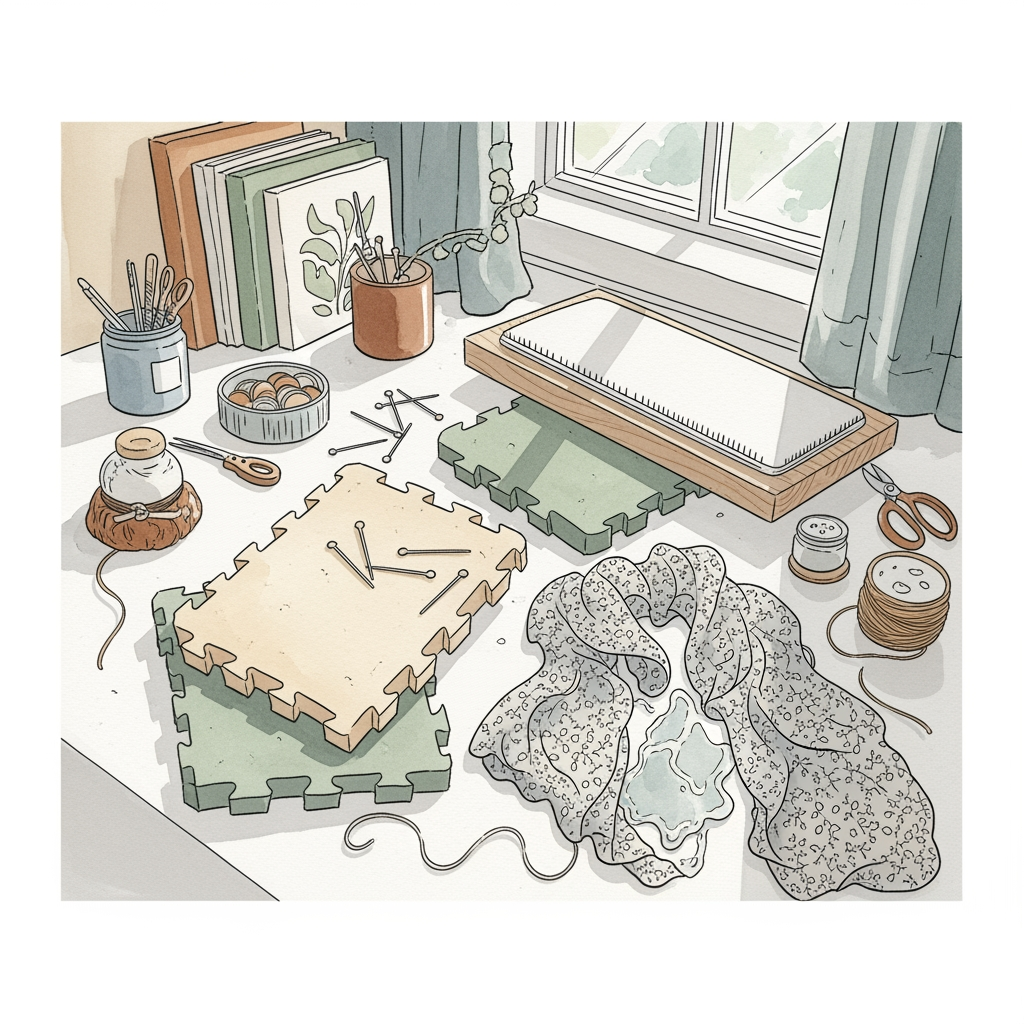
Never hang a wet wool garment, as the weight of the water will distort the shape and stretch the stitches beyond repair. Always lay your knits flat on a clean, dry towel, ideally on a mesh drying rack to allow airflow underneath.
Before laying it out, roll the garment in a dry towel like a burrito and press firmly to extract the excess water. This "towel-roll" method cuts your drying time in half and prevents the wool from sitting in a pool of water for too long.
Finally, keep your drying rack away from direct heat sources like radiators or sunlight. Rapid, uneven drying can cause the fibers to become brittle and lose their natural elasticity.
Frequently Asked Questions About Wool Care Bars
Can I use a wool bar on silk or mohair? Yes, most of these bars are suitable for all protein fibers. However, always check the label for specific fiber compatibility.
Do I need to rinse if the bar says "no-rinse"? It is a personal choice, but no-rinse formulas are designed to be left in the fibers to provide protection. If you feel a residue, a very light, cool water rinse won’t hurt.
How do I store a wash bar? Store it in a dry dish or a soap saver bag away from moisture. If it stays wet, it will dissolve prematurely.
Taking care of your handknits is a meditative act that honors the time and effort you put into every stitch. By choosing a high-quality wash bar and following proper cleaning techniques, you ensure that your projects remain soft and beautiful for years to come. Treat your wool well, and it will keep you warm for a lifetime.