6 Best Knitting Pattern Binders for Archive Storage
Keep your patterns organized and safe. We review the 6 best binders for archival storage to help you protect and categorize your favorite knitting designs.
Every knitter eventually reaches the point where their printed pattern collection outgrows a single folder or a messy pile on the coffee table. Organizing your hard-won charts and instructions is just as important as choosing the right yarn for your next project. A well-curated binder system ensures that your favorite lace shawl instructions or sock measurements are always ready when you are. Here are the best ways to keep your library as tidy as your tension.
Avery Heavy-Duty Binder: Best for Large Archives


When you reach the stage where you have decades of patterns, you need a binder that won’t buckle under the weight of hundreds of pages. The Avery Heavy-Duty series is the industry standard for a reason: the One Touch rings are designed to withstand constant opening and closing.
If you are the type of knitter who keeps a master library of every cable chart and colorwork motif you’ve ever used, this is your home base. The wide panels are specifically designed to cover your sheet protectors completely, shielding your delicate paper patterns from dust and accidental yarn snags.
The tradeoff here is the sheer footprint; these binders are bulky and not meant for throwing into a project bag. However, for a stationary bookshelf library, the durability of the hinges ensures you won’t be dealing with misaligned rings that catch and tear your pages.
Samsill Earth Choice Binder: Best Eco-Friendly

Sustainability is often at the heart of our craft, especially when we choose ethically sourced wool or plant-based fibers. The Samsill Earth Choice binder aligns with that ethos by using recycled polypropylene that doesn’t sacrifice structural integrity.
These binders are surprisingly lightweight, which makes them easier to pull off a shelf when you’re hunting for that specific gauge calculation. While they aren’t as rigid as a heavy-duty professional binder, they provide a sturdy enough spine to keep your patterns upright without tipping.
Be mindful that the cover material is slightly more flexible, so it may show wear if you are constantly pulling it in and out of a craft room cabinet. It is a fantastic choice for the knitter who wants to keep their environmental footprint as small as their carbon-neutral yarn stash.
Wilson Jones 3-Ring Binder: Best Budget Option

Sometimes you just need a simple, no-frills solution to corral loose sheets of paper before they get lost in your stash. The Wilson Jones binder is the quintessential workhorse that gets the job done without any unnecessary bells or whistles.
It is perfect for the beginner who is just starting to collect patterns from workshops or local yarn store classes. Because it is so affordable, you can easily label separate binders by category—like "Sweaters," "Socks," and "Accessories"—without breaking the bank.
The rings can sometimes be a bit stiff, so be careful when flipping through your pages to avoid snagging the paper. If you are on a budget, this is the most practical way to start building a professional-grade archive.
Case-it Mighty Zip Binder: Best for Portability
If you are a traveling knitter who likes to take your pattern library to knit nights or retreats, a standard binder won’t cut it. The Case-it Mighty Zip features a full-perimeter zipper that keeps everything secure, even if you accidentally drop your bag.
This binder acts more like a portable office, featuring interior pockets that are perfect for storing your circular needle gauges, tapestry needles, or a small pair of folding scissors. You never have to worry about a stray pattern page sliding out in transit.
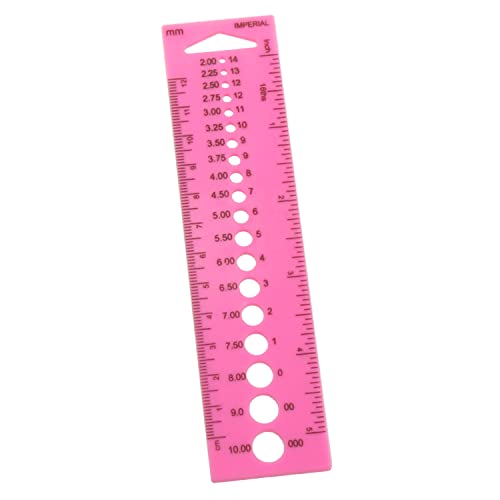
The main drawback is that the zippered enclosure can be tight if you overstuff the binder with too many bulky accessories. Keep your storage to strictly patterns and essential flat tools to ensure the zipper remains smooth and functional for years.
Mead Fashion Binder: Best for Pattern Aesthetics

Knitting is an art form, and for many of us, the tools we use should be as beautiful as the projects we create. The Mead Fashion series offers a variety of textures and prints that turn a mundane storage task into an extension of your creative style.
These binders are excellent for keeping your "Works in Progress" (WIP) notes separate from your permanent reference library. If you find that a pretty cover motivates you to stay organized, then the aesthetic appeal is a functional feature, not just a luxury.
Just remember that these are often lighter-duty than the professional-grade options mentioned earlier. Use these for your current project notes or patterns you refer to frequently, rather than long-term, heavy-duty archival storage.
Blue Sky Fibers Pattern Binder: Best Specialist

There is something deeply satisfying about using a tool designed specifically for the fiber arts. The Blue Sky Fibers binder is crafted with the knitter in mind, often featuring a layout and size that feels intuitive to those of us who live by our needles.
These binders are frequently designed to accommodate standard pattern printouts while leaving enough room for your handwritten notes in the margins. They are the "luxury" option for the knitter who wants their archive to feel like a curated collection of heirloom designs.
While they may come at a higher price point, the build quality is usually superior, designed to survive the high-traffic environment of a knitter’s workspace. It is an investment piece, but one that respects the time and effort you put into your knitting.
Why Pattern Organization Matters for Knitters
Organization is the secret to avoiding the "start-itis" that plagues so many of us. When you can quickly locate a previous project’s notes—such as the specific needle size you used to meet gauge or the modifications you made for a better fit—you save hours of frustration.
A messy pattern collection often leads to lost charts, which can derail a complex lace or colorwork project mid-row. By archiving your patterns, you create a personalized library of successes that you can return to whenever you need inspiration or a reliable "go-to" pattern.
Think of your binder as a secondary brain. When you document your yarn choices, dye lots, and adjustments, you are building a history of your own growth as a maker.
Essential Supplies for Archiving Your Patterns
To build a truly effective archive, the binder is only the beginning. You will need a few key supplies to ensure your patterns remain readable and protected over the years:
- Sheet Protectors: Use non-glare, acid-free sleeves to prevent ink transfer and light reflection.
- Dividers: Categorize by project type (e.g., garments, accessories, home decor) or by yarn weight.
- Removable Tabs: Perfect for marking patterns you plan to cast on next.
- Dry-Erase Markers: If you slip a pattern into a sheet protector, you can mark your progress directly on the plastic without ruining the paper.
How to Protect Your Printed Knitting Patterns
Printed paper is vulnerable to the two greatest enemies of the knitting room: yarn fuzz and moisture. Always use high-quality, archival-safe sheet protectors to create a barrier against the environment.
Avoid using adhesive tape directly on your patterns, as the glue can yellow and degrade the paper over time. If you need to make notes, use a pencil or a dedicated archival pen, and keep your patterns away from direct sunlight to prevent the ink from fading.
If you are working on a pattern in a humid environment or near a beverage, the sheet protector acts as a vital shield. A little bit of prevention now saves you from having to reprint a complex, multi-page pattern later.
Tips for Organizing Your Digital Pattern Library
Even the most dedicated paper-binder knitter usually has a digital library tucked away on a tablet or computer. The best approach is to create a hybrid system where your digital files are backed up in the cloud and your most-used patterns are printed and filed.
Use a consistent naming convention for your files, such as "Year-Designer-PatternName," so you can search your hard drive effectively. If you use a platform like Ravelry, make sure to utilize the "Library" feature to keep track of your digital purchases and free downloads.
Don’t let your digital files become a "data graveyard." Periodically review your downloads and delete the patterns you know you will never knit, keeping your digital space as clean as your physical workspace.
Organizing your knitting patterns is an act of respect for your own creativity and the time you invest in every stitch. Whether you choose a heavy-duty archival binder or a portable zip-up case, the goal is to create a system that works with your unique workflow. Once your patterns are properly stored, you’ll find that you have much more mental space to focus on the joy of the craft itself. Happy knitting, and may your shelves be as organized as your tension is even.