
6 Best Blocking Combs For Securing Intricate Stitch Patterns
Discover the 6 best blocking combs to perfect your lace and cables. Learn how these essential tools ensure even tension and precise shaping for your projects.
Achieving professional-level finishing on your hand-knits requires more than just patience; it demands the right tools to coax your stitches into their final, intended shape. Blocking combs are a game-changer for those who struggle with the tedious task of pinning out lace shawls or intricate cables one pin at a time. By anchoring multiple stitches simultaneously, these tools transform hours of labor into a streamlined, satisfying process. Investing in a quality set is the single most effective way to elevate the look of your finished garments.
Knitter’s Pride Knit Blockers: The Industry Gold


These are the gold standard for a reason: they are incredibly efficient at managing long, straight edges like the borders of a rectangular shawl. By embedding multiple pins into a single plastic bar, they allow you to secure a vast section of fabric in one motion.
The primary advantage here is the reduction of "scalloping," which happens when you pin too sporadically, leaving uneven gaps between pins. If you frequently work with bulky weight yarns or large-scale projects, these blockers provide the necessary tension to hold heavy fabric firmly in place.
However, they can be a bit bulky for very tight, intricate corners. They are best suited for projects where you need to establish a strong, clean geometric line rather than navigating complex, curvy motifs.
Clover Blocking Combs: Precision for Fine Lace
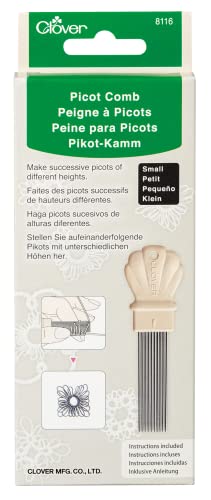
Clover has long been synonymous with Japanese engineering, and their blocking combs reflect a dedication to fine detail. These combs are slightly lighter than others, making them ideal for delicate lace work where you don’t want to over-stretch the fiber.
The pins are spaced with a level of precision that helps maintain consistent tension across the entire width of your project. This is particularly helpful when working with fine-gauge lace, such as cobweb or laceweight mohair, where every stitch needs to be perfectly aligned.
The trade-off is that they are not designed for heavy-duty, high-tension blocking. If you try to force them into a thick, felted wool piece, you risk bending the pins or snapping the plastic head.
Cocoknits Blocking Pins: Best for Delicate Fibers

Cocoknits approaches blocking with a focus on the integrity of the fiber, offering pins that are incredibly smooth and snag-free. Their system is designed for the knitter who worries about damaging expensive hand-dyed wool or silk blends.
The pins are notably sharp, which allows them to slide through dense stitch patterns without splitting the yarn ply. This is crucial when working with high-twist yarns where a blunt pin could easily catch and pull a strand, ruining your hard-earned stitch definition.
While they are excellent for delicate work, they require a bit more patience to set up than a traditional multi-pin comb. They are the "surgical" option for when your project is too precious to risk with a heavy-handed tool.
Boye Blocking Combs: Reliable Choice for Beginners
If you are just starting to build your blocking kit, Boye offers a straightforward, no-nonsense solution that gets the job done without unnecessary complexity. These combs are sturdy and provide a solid anchor for standard acrylics or wool-blend yarns.
They are an excellent entry point because they are widely available and don’t require a steep learning curve to master. You can easily see how the tensioning works, making them a great tool for learning how blocking affects stitch drape and size.
Keep in mind that the pins are a bit thicker, which might leave noticeable holes in very fine-gauge fabrics. They are best reserved for worsted or chunky weight projects where the yarn has enough "body" to hide the pin placement.
Lacis Blocking Combs: Durable Stainless Steel Set
For the knitter who considers blocking a permanent part of their craft, stainless steel options like those from Lacis are a long-term investment. These are built to withstand years of moisture, which is the primary enemy of lesser metal tools.
The weight of these combs is a significant benefit; they provide a natural "downward" pull that helps gravity assist in the blocking process. This is particularly useful for heavy sweaters or blankets that require a bit of extra help to smooth out.
Because they are stainless steel, they are virtually immune to the rust that can plague cheaper, plated alternatives. Just be sure to store them in a dry place to keep the finish pristine for your next project.
Ashford Blocking Combs: Sturdy for Heavy Projects

Ashford, coming from a heritage of spinning and weaving, understands the need for tools that can handle substantial fabric. These combs are designed with a ruggedness that makes them ideal for blocking heavy wool blankets or dense, stranded colorwork.
Their construction is robust, meaning you can apply significant tension without feeling like the tool is going to give way. If you are blocking a large, heavy project, these combs will hold the fabric steady against the pull of the weight.
They are less ideal for delicate, ethereal lace, as their size and weight can be overkill. Stick to these when you need serious structural support for your heavier, more substantial projects.
How Blocking Combs Improve Your Stitch Definition
Blocking is the process of using moisture and heat to "set" the stitches in their final position. When you knit, your stitches are often tight and distorted from the needle; blocking allows them to relax into their intended geometry.
Using a comb ensures that this relaxation happens uniformly across the entire piece. Without consistent tension, you might end up with one side of your lace looking perfectly open while the other side remains slightly puckered.
- Symmetry: Combs force the fabric into a balanced shape.
- Drape: Proper blocking allows the fabric to hang fluidly.
- Consistency: Every stitch is given the same amount of room to breathe.
Essential Tips for Blocking Intricate Lace Work
When tackling intricate lace, always start by soaking your project in lukewarm water with a gentle wool wash. Never wring or twist the fabric, as this can break the delicate fibers; instead, roll it in a towel to remove excess moisture.
When pinning, work from the center outward to ensure the pattern expands evenly. If you are working with a complex motif, use the combs to anchor the main points, then use individual pins to tweak the smaller, decorative elements.
- Patience is key: Let the piece dry completely before removing the combs.
- Avoid over-stretching: Only pull the lace to the point where the pattern opens, not until the stitches distort.
- Check your edges: Ensure your borders are straight to give the project a professional finish.
Choosing the Right Pins for Different Fiber Types
The fiber content of your yarn dictates how it reacts to moisture and tension during the blocking process. Protein fibers like wool and alpaca are highly receptive to heat and moisture, making them easy to shape.
Cellulosic fibers like cotton and linen are more stubborn; they often require pins that can withstand higher tension and longer drying times. Synthetic fibers, on the other hand, are heat-set and may not hold a block as well unless steam is applied carefully.
- Wool/Alpaca: Use smooth, rust-proof pins; they respond quickly to steam or wet blocking.
- Cotton/Linen: Use sturdy, heavy-duty combs; these fibers need firm anchoring.
- Silk/Mohair: Use the finest, sharpest pins available to avoid snagging the delicate filaments.
Maintenance Tips to Prevent Rust and Damage
Even the highest quality metal combs can fall victim to rust if left in a damp environment after a project is finished. Always wipe your pins dry with a clean cloth before putting them away in their storage container.
If you notice any signs of oxidation, a quick rub with a fine-grit polishing cloth can usually restore the surface. Never store your pins while they are still damp from a project, as the moisture trapped in the storage box will accelerate corrosion.
- Dry completely: Ensure pins are 100% dry before storage.
- Store properly: Use the original packaging or a dedicated container to prevent bending.
- Periodic cleaning: A light wipe with a drop of sewing machine oil can protect metal pins if you live in a humid climate.
Mastering the use of blocking combs is a rite of passage for any knitter looking to take their work to the next level. By choosing the right tool for your specific fiber and project weight, you ensure that your hard work is displayed to its absolute best advantage. Remember that blocking is not just a final step, but an integral part of the creative process that rewards patience with professional results. Treat your tools well, and they will help you transform every project from "homemade" into a true heirloom.