6 Best Stiff Brushes For Needle Felting To Use
Needle felting requires the right tools. Discover our top 6 stiff brush picks that ensure precision, stability, and clean results for every fiber project.
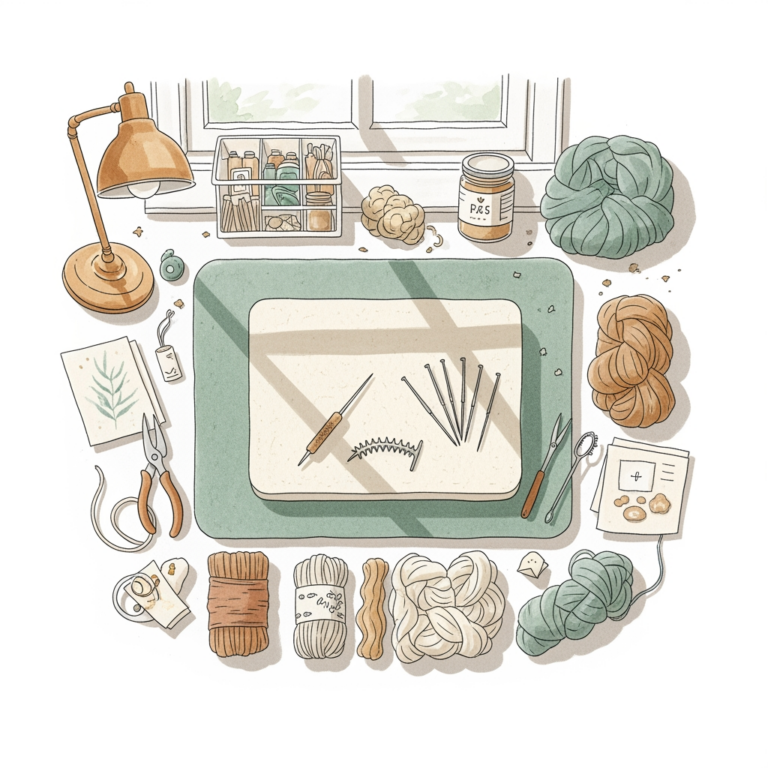
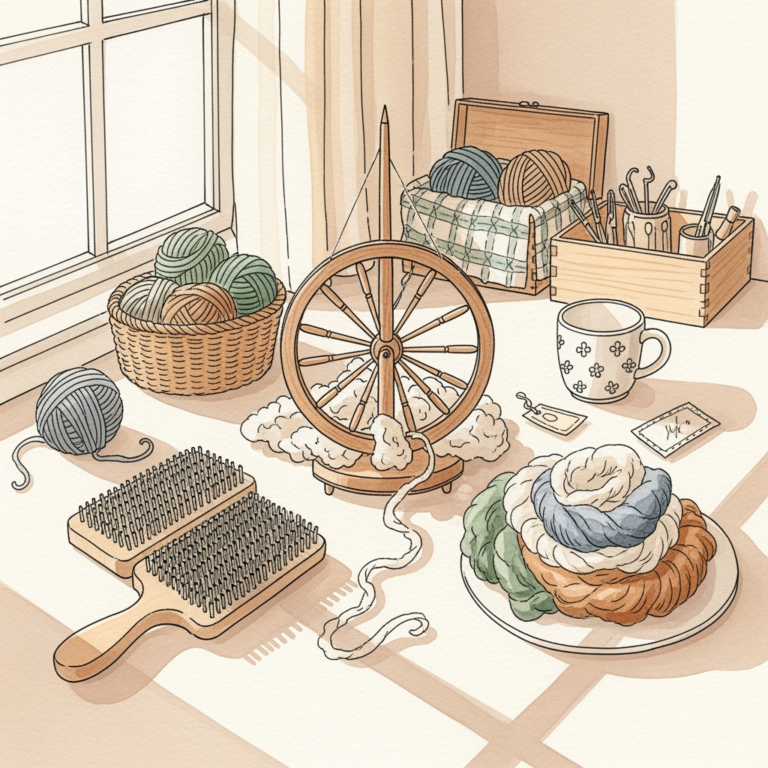
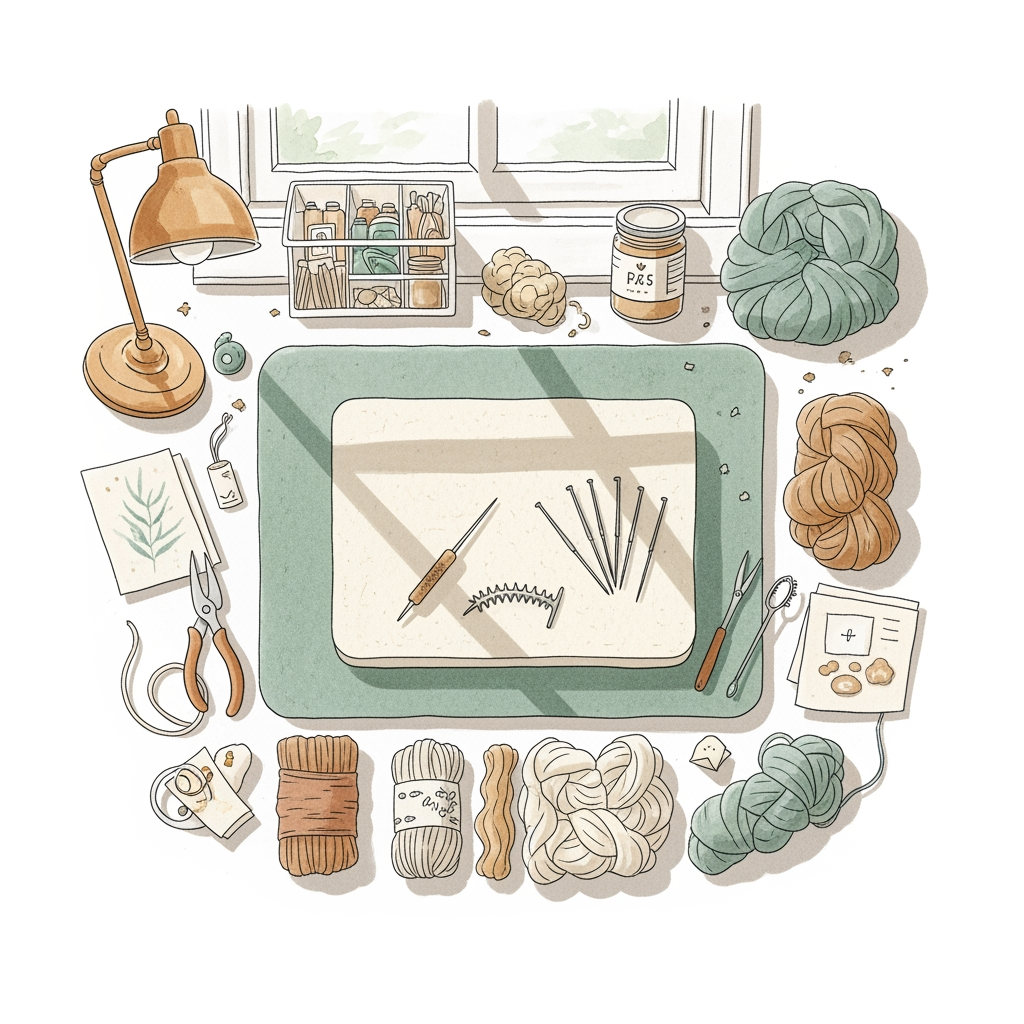
Needle felting is the sculptural equivalent of working with raw wool, requiring a stable surface that allows your needles to pass through fibers without hitting resistance. While many beginners start with basic foam, professional makers eventually gravitate toward stiff brush mats for their longevity and precision. Choosing the right base is just as critical as selecting the right needle gauge for your wool’s micron count. This guide explores the best brush mats on the market to help you achieve cleaner, more consistent results in your fiber sculptures.
Clover Large Needle Felting Mat: Best Overall


When you are working on a large-scale project—like a life-sized animal or an intricate wall hanging—the Clover Large Needle Felting Mat is the industry standard for a reason. Its bristles are engineered with the perfect density to hold your wool in place while allowing the needle to penetrate deeply without snapping.
The primary advantage here is the durability of the synthetic bristles. Unlike foam, which eventually crumbles into your work, these bristles stay intact even after thousands of punctures. It provides a consistent, firm resistance that mimics the tension you might feel when working with a high-twist yarn on a small needle.
If you find yourself constantly picking tiny bits of foam out of your felted pieces, this mat will be a revelation. It is an investment, but for anyone serious about needle felting, it is the most reliable surface for long-term production.
Woolbuddy Extra Large Felting Surface

If you are a fiber artist who values a generous workspace, the Woolbuddy Extra Large surface is a fantastic choice. It offers a wide, unobstructed area that is perfect for laying out flat designs or rotating large 3D sculptures as you work.
The bristles on this mat are notably stiff, which is excellent for preventing the "bounce-back" effect that can sometimes cause your needle to bend. When you are using a finer gauge needle—the 40 or 42 gauge—you need a surface that doesn’t offer too much "give" or your needle will likely snap upon entry.
This mat is particularly well-suited for those who work with coarser, more robust wool breeds like Corriedale or Romney. The surface grip is exceptional, keeping your project from sliding around as you focus on detailed needle-sculpting.
Dimensions Needle Felting Foam Base

While this is technically a foam product, it serves as the entry-level bridge for those transitioning to more permanent tools. Many beginners start here because it is inexpensive and readily available in craft stores.
However, the trade-off is that it will eventually degrade. You will find that after a few projects, the foam develops deep divots that make it difficult to maintain an even surface. If you are just testing the waters of needle felting, it is a fine place to start, but don’t expect it to last as long as a brush mat.
Think of this like using plastic needles when you are first learning to knit; they get the job done, but you will eventually want to upgrade to something with more longevity. Use this for small, occasional projects, but keep an eye on the surface integrity.
Hamanaka Needle Felting Mat: Best for Precision

Hamanaka is a brand synonymous with quality in the Japanese fiber arts community, and their felting mat is designed for the perfectionist. If you are working on miniature sculptures or dolls where every single puncture counts, this is your go-to tool.
The bristles are spaced tightly, which allows for incredibly fine detail work. When you are trying to shape a tiny ear or a delicate facial feature, you need a surface that supports the fibers right up to the point of contact.
This mat is the equivalent of using high-quality steel needles for lace knitting; it provides the precision necessary for intricate results. It is smaller than other options, so it’s best reserved for projects that require a high degree of control rather than large-scale bulk felting.
Felted Sky Sturdy Wool Felting Pad

Felted Sky has built a reputation on understanding the tactile needs of fiber artists. Their wool felting pad is a unique departure from the plastic-bristled brushes, offering a natural surface that feels incredibly satisfying to work on.
Because it is made of compressed wool, it provides a different kind of resistance—one that is softer but still firm enough to hold your project steady. It is an excellent choice if you prefer working with natural tools and want to avoid the synthetic feel of plastic bristles.
The main consideration here is that it will eventually need to be replaced, though it lasts significantly longer than standard foam. It is a great middle-ground for the maker who wants a professional feel without the mechanical stiffness of a brush mat.
Living Felt Professional Felting Foam

For those who prefer a foam-based system but want something that actually holds up to professional use, the Living Felt surface is a cut above the rest. It is significantly denser than standard craft store foam, which prevents the rapid shredding that ruins your work.
It is ideal for those who work with "fast-felting" wools that require a lot of force to shape. The density of this foam ensures that your needles don’t strike the table underneath, protecting both your tools and your workspace.
While it lacks the "infinite" lifespan of a brush mat, it offers a consistent, reliable texture for many months of work. It is a solid, practical choice for the knitter who wants a reliable, no-fuss surface that won’t break the bank.
Why Stiff Brushes Outperform Foam Blocks
The biggest issue with foam blocks is the migration of debris. As you needle, the foam breaks down into tiny particles that get trapped inside your wool—a nightmare if you are working with light-colored or delicate fibers.
Stiff brushes solve this by allowing the needle to pass through the gaps between the bristles. Your wool sits on top of the bristles, and the needle tip passes into the open air below, meaning there is no material to break off and contaminate your piece.
Furthermore, brushes provide a consistent height. Foam wears down unevenly, creating "valleys" that make it hard to keep your work level, whereas brush mats retain their shape for years.
How to Maintain Your Felting Brush Bristles
Maintaining your brush mat is simple, but it is often overlooked. Over time, loose fibers will inevitably get caught between the bristles, which can raise the surface of the mat and affect your needle depth.
Use a small comb or a stiff-bristled cleaning brush to pull the excess wool out after every session. Think of this like cleaning your knitting needles or organizing your stash; a clean workspace leads to a clean finished product.
Avoid pressing too hard with your needle. The goal is to penetrate the wool, not to bury the needle deep into the mat; doing so will only cause the bristles to splay and wear out prematurely.
Choosing the Right Size Mat for Your Projects
The size of your mat should dictate the scope of your work. If you are making small, palm-sized ornaments, a smaller mat like the Hamanaka is perfect because it is portable and keeps your focus tight.
For larger sculptures, you need a surface that allows you to move your hands freely without your project hanging off the edge. If you are working on a large piece on a small mat, you are more likely to miss the surface and hit your tabletop.
Always err on the side of a larger mat if you have the desk space. It is much easier to manage a small project on a large mat than it is to wrestle a large project on a tiny one.
Essential Safety Tips for Needle Felting Work
Needle felting involves very sharp, barbed needles that are designed to snag fiber—and they will snag your skin just as easily. Always work on a stable, flat surface to ensure your needle doesn’t slip.
Keep your fingers away from the needle’s path at all times. If you are working on a small piece, use a pair of tweezers or a small tool to hold the wool in place rather than your fingers.
Lastly, be mindful of your posture. Much like knitting for hours can lead to tension in the shoulders, repetitive felting can be hard on the wrists. Take frequent breaks, stretch your hands, and ensure your lighting is bright enough so you aren’t hunching over your work.
Investing in a high-quality brush mat is the single most effective way to improve the professional quality of your needle-felted creations. By choosing a surface that resists debris and provides consistent support, you allow yourself to focus entirely on the sculptural process. Whether you prioritize the precision of a small brush or the expansive workspace of a large one, your choice of mat will dictate the longevity of your tools and the clarity of your work. Happy felting, and may your fibers always bond exactly where you intend them to.