7 Best Swivel Cords For Circular Knitting To Try
Discover the top 7 swivel cords for circular knitting. Our guide compares features to help you reduce cable twist and enhance your crafting efficiency today.
Finding the right circular needle setup is often the difference between a relaxing evening of knitting and a frustrating battle with your project. Swivel cords have revolutionized the craft by allowing the needle tips to rotate independently, effectively eliminating the dreaded "cable twist" that plagues traditional fixed cords. Whether you are working on a massive sweater body or a delicate pair of socks, these tools offer a level of freedom that makes long sessions much more enjoyable. This guide explores the best options on the market to help you find the perfect match for your personal knitting style.
ChiaoGoo TWIST Red Lace Swivel Cords: Best Overall


These cords are the industry standard for a reason, combining a memory-free steel core with a smooth, nylon-coated finish. They offer the perfect balance of flexibility and strength, ensuring that your yarn slides across the join without snagging or catching.
The standout feature is the seamless swivel mechanism integrated into the base of the needle tip. This allows you to work flat or in the round without the cable fighting against your tension, which is a game-changer when working with non-elastic fibers like linen or cotton.
Because they are so durable, they are excellent for travel knitting where cables might get shoved into a bag. If you prioritize reliability and a smooth transition from cable to needle, these are the gold standard for your stash.
Knitter’s Pride Mindful Collection Swivel Cables

The Mindful Collection focuses on the meditative aspect of knitting, and these cords reflect that with their soothing color palette and smooth, kink-free design. They are specifically engineered to provide a gentle, fluid rotation that keeps your project moving effortlessly.
These cables are particularly well-suited for knitters who find traditional plastic cords too stiff or springy. They maintain their shape well but don’t feel like they are fighting you during complex lace charts or intricate cable patterns.
The connection point is robust, providing a secure fit that rarely loosens during use. If you want a tool that feels as good as it performs, these cords offer a tactile experience that matches their high-quality construction.
Lykke Interchangeable Swivel Cord Innovations

Lykke has built a reputation on aesthetics and craftsmanship, and their swivel cords are no exception. They feature a sleek, dark aesthetic that pairs beautifully with their signature driftwood or copper needle tips.
Beyond looks, these cords are incredibly lightweight, which reduces hand fatigue during long marathon knitting sessions. They are ideal for knitters who prefer working with wool or alpaca, as the smooth surface of the cord doesn’t create unnecessary friction against the fibers.
While they are slightly more flexible than some of the heavier-duty steel options, they hold up exceptionally well for everyday projects. They are a fantastic choice for those who want a premium feel without sacrificing the ergonomic benefits of a swivel design.
HiyaHiya Swivel Cables for Sharp Steel Tips

HiyaHiya is famous for their incredibly sharp, polished steel tips, and their swivel cables are designed to complement that precision. They use a unique swivel joint that is remarkably small and unobtrusive, ensuring that the transition is completely seamless.
These cables are a favorite among lace knitters who need to manipulate fine stitches with speed and accuracy. The swivel action is very responsive, allowing the tips to move naturally as your hands shift while working on complex decreases or yarn-overs.
If you are a fast knitter, you will appreciate how these cords don’t "whip" or snap back like stiffer plastic cables. They provide a steady, controlled experience that lets you focus entirely on your stitch pattern rather than managing your tools.
Denise Interchangeable Swivel Cord System

Denise needles are a classic in the knitting world, known for their unique resin construction and secure, locking connection. Their swivel system is distinct because it uses a proprietary plastic-based threading that is incredibly durable and easy to tighten by hand.
These cords are perfect for knitters who are prone to losing their tightening keys, as the system is designed to be tightened simply by twisting until it clicks. The swivel action is smooth and reliable, providing a great alternative to the metal-on-metal connections found in other brands.
While the plastic material has a different feel than steel-core cables, it is very lightweight and holds its shape well. This system is a great choice for beginners or those who prefer a slightly warmer, less "industrial" feel to their knitting tools.
Addi Click SOS Cords with Swivel Flexibility
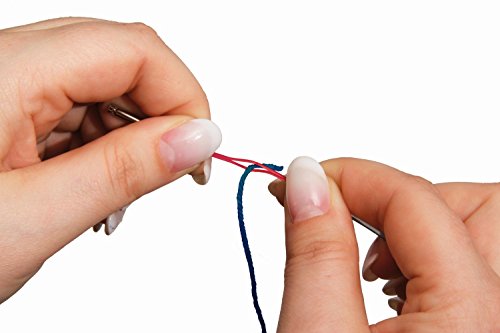
Addi is legendary for their German-engineered needles, and the SOS cord is a brilliant innovation for anyone prone to mistakes. These cords feature a tiny hole near the needle join that allows you to thread a lifeline through your stitches as you knit.
The swivel capability adds a layer of convenience to an already functional tool, making it easier to manage long circular projects. You don’t have to worry about the cord twisting up while you are trying to keep track of your stitch count or pattern repeats.
Be aware that these cords are designed for the Addi Click system, which uses a push-and-twist mechanism rather than a screw-in thread. It is a very secure system, but it is not cross-compatible with other brands, so ensure you are committed to the Addi ecosystem before investing.
Seeknit Koshitsu Swivel Cable Attachments
Seeknit needles are crafted from high-quality Japanese bamboo, and their Koshitsu treatment involves a high-pressure, high-heat process that makes the wood incredibly smooth and durable. Their swivel cords are designed to match this level of artisanal quality.
These cords are perfect for knitters who love the grip of bamboo but want the modern convenience of a swivel. The wood-to-metal transition is polished and snag-free, which is vital when working with delicate silk or mohair blends that tend to catch on rough joins.
The swivel action is subtle and fluid, making it a great choice for those who find metal cables too slippery or "cold." If you value sustainability and the organic feel of natural materials, these cords are a top-tier choice for your collection.
Why Swivel Cables Improve Your Knitting Ergonomics
The primary ergonomic benefit of a swivel cable is the reduction of torque on your wrists and hands. When you knit in the round with a fixed cable, the cord often develops a "memory" or twist that forces your wrists to compensate to keep the needles in the correct position.
Over several hours of knitting, this constant micro-adjustment leads to muscle fatigue and, in some cases, repetitive strain. A swivel cord allows the needle tips to rotate freely as you move, meaning your hands stay in a neutral, relaxed position regardless of the cable’s orientation.
- Less wrist strain: You aren’t fighting the cable’s resistance.
- Faster stitch manipulation: Your hands can move more fluidly.
- Better tension control: Less physical effort means more consistent gauge.
Ultimately, by removing the mechanical resistance of the cord, you allow your body to focus on the rhythmic motion of knitting. This is especially important for knitters who suffer from arthritis or those who spend many hours working on large projects like blankets or sweaters.
How to Properly Tighten Swivel Cable Connections
Even with a swivel system, a loose connection can lead to the dreaded "snag" where your yarn catches on the join. Always use the tightening tool or "key" provided by the manufacturer to ensure the threads are fully seated.
When tightening, hold the needle tip and the cord base firmly, and turn until you feel a distinct stop. Do not overtighten to the point of stripping the threads, as this can make it difficult to remove the tips later, especially with metal-on-metal connections.
- Check periodically: Even the best connections can wiggle loose after a few inches of knitting.
- Use the hole: Most swivel cords have a small hole in the metal connector; use your key here for maximum leverage.
- Finger tight is usually enough: If you feel significant resistance, stop turning to protect the integrity of the threads.
A well-tightened connection should feel like a single, continuous piece of metal. If you feel a ridge or a bump at the join, it is likely not tightened all the way or the tip is slightly misaligned.
Troubleshooting Common Interchangeable Cord Issues
The most common issue with interchangeable cords is the "unscrewing" phenomenon, where the friction of the yarn rotating the needle causes the connection to loosen over time. If you notice this happening, try using a small rubber grip or a dedicated needle gripper to get a better hold when tightening.
If your cord has developed a permanent kink, you can often "reset" it by dipping it in hot (not boiling) water for a few seconds and then straightening it out. This relaxes the plastic memory and allows the cable to return to a supple, flexible state.
Finally, if you find that your yarn is snagging at the join even when it is tight, check for any burrs on the metal connector. You can often smooth these out with a very fine-grit emery board or a polishing cloth, but be careful not to damage the plating of the needle.
Investing in high-quality swivel cords is a small change that yields massive results for your comfort and enjoyment. By allowing your needles to move independently of the cable, you remove the physical barriers that often lead to fatigue and uneven tension. Take the time to experiment with the different materials and connection systems mentioned here to see what best complements your unique knitting style. Happy knitting, and may your stitches always flow effortlessly across your needles.