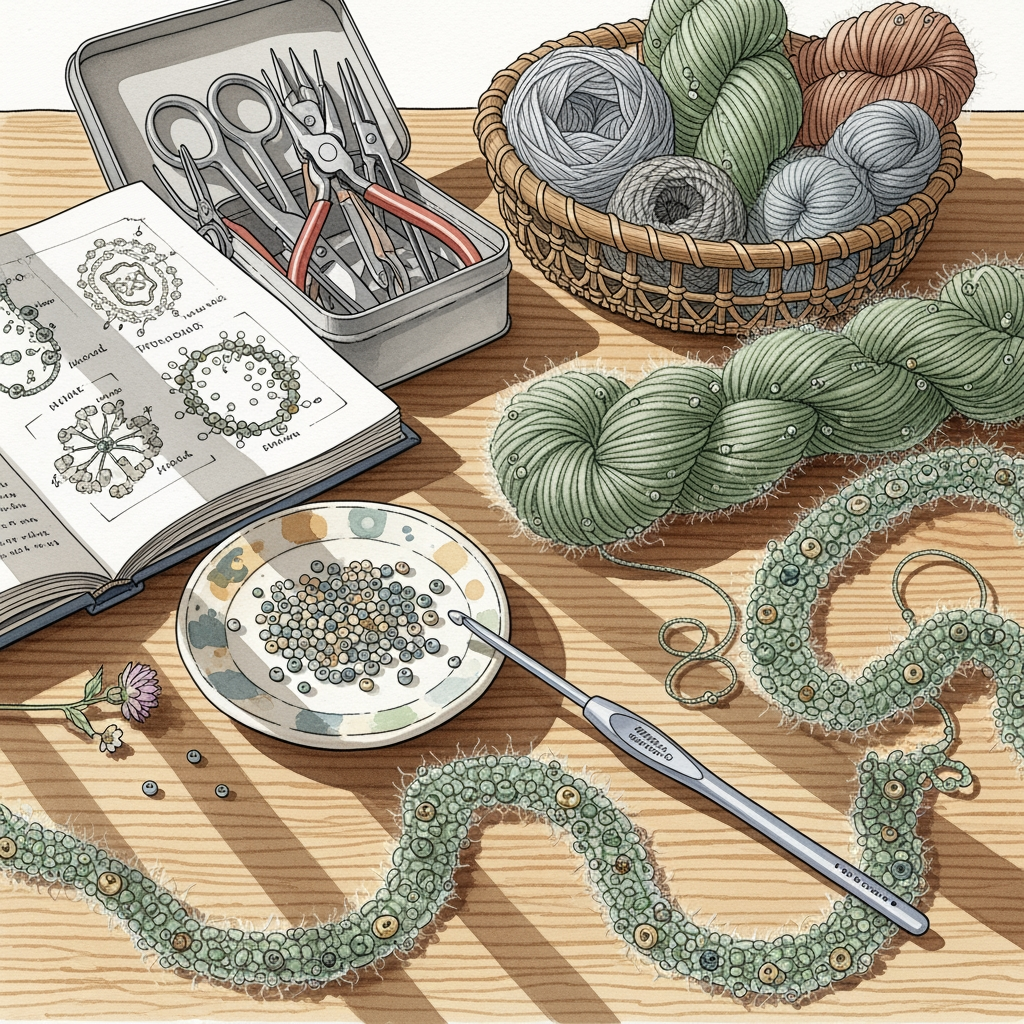
7 Best Micro Crochet Hooks For Adding Beads To Yarn
Discover the 7 best micro crochet hooks for seamless beadwork. Learn how these precision tools enhance your yarn projects with professional, elegant detail.
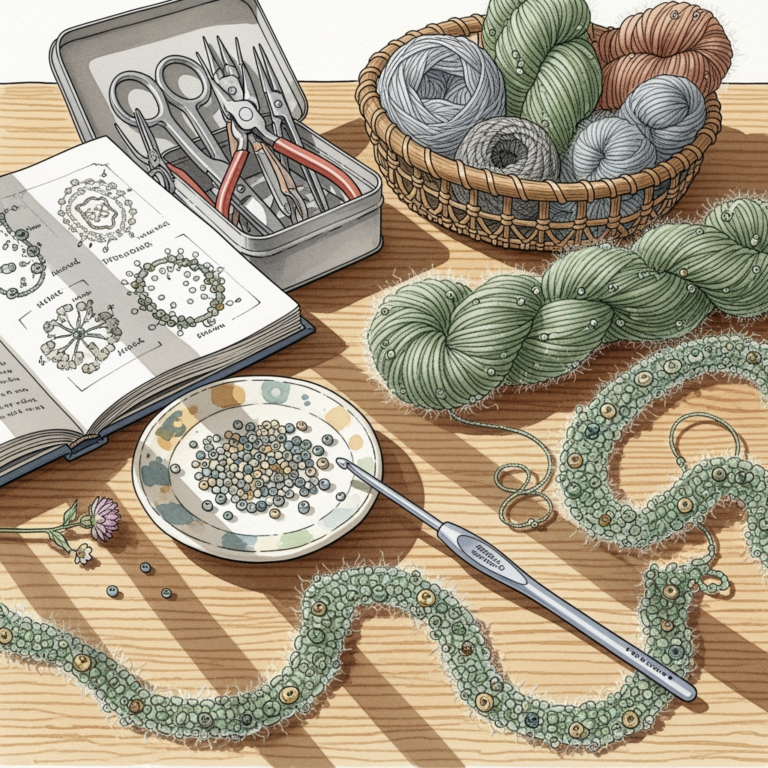
Incorporating beads into your knitting adds a sophisticated, tactile dimension that transforms a simple project into a shimmering heirloom. However, the success of your beading depends entirely on the precision of your micro crochet hook. Choosing the wrong tool can lead to snagged fibers, frustrated hands, and broken beads. This guide breaks down the best hooks on the market to ensure your beading process is as smooth as your final stitch.
Clover Amour Steel Crochet Hook: The Top Choice
The Clover Amour series is widely considered the gold standard for a reason. These hooks feature a perfectly smooth, rounded head that glides through bead holes without catching on the delicate plies of your yarn.
The handle is constructed from a soft, elastomer rubber that provides just enough cushion to prevent hand fatigue. If you are working on a long project with hundreds of beads, this ergonomic support is a literal lifesaver for your joints.
The shaft is long enough to hold the bead securely while you maneuver the yarn loop through it. It is the most reliable "all-rounder" for any knitter who beads frequently.
Tulip Etimo Rose Steel Hook: Best Ergonomic Pick
Tulip hooks are renowned for their exquisite finish and superior craftsmanship. The Etimo Rose series features a highly polished steel tip that feels almost frictionless against both silk and wool fibers.
The ergonomic handle is shaped to fit comfortably in the palm, encouraging a relaxed grip. When you are pulling a tiny bead over a strand of yarn, you need a tool that doesn’t force you to white-knuckle your work.
These hooks are an investment, but they offer unparalleled precision. If you struggle with hand cramps during intricate lace work, the weight and balance of this hook will feel like a revelation.
Susan Bates Steel Crochet Hook: Best for Beginners
Susan Bates hooks are iconic for their "inline" head design. Unlike tapered hooks, the inline throat is deep and pointed, which makes catching the yarn loop inside a bead hole significantly easier.
Because these are often sold at a lower price point, they are perfect for knitters who are just starting to experiment with beading. You can build your skill set without committing to a premium tool immediately.
The steel is durable and resists bending, even when working with stubborn, non-stretch yarns. They are a no-nonsense tool that gets the job done reliably every time.
Boye Steel Crochet Hook Set: Best Value Options


Boye hooks are the classic workhorse of the fiber arts world. You can typically find these in affordable sets, which is ideal if you work with a wide variety of bead sizes and need multiple hook diameters on hand.
The tapered throat design is gentle on yarn, reducing the risk of splitting your plies as you pull the yarn through the bead. They are lightweight and easy to toss into your project bag without worrying about damage.
While they lack the fancy ergonomic grips of more expensive brands, they are perfectly functional. If you only bead occasionally, a Boye set provides the best versatility for your budget.
Addi Steel Crochet Hook: The Premium Experience

Addi is synonymous with German engineering, and their steel hooks are no exception. The finish is incredibly smooth, ensuring that even the most delicate lace-weight mohair won’t snag during the beading process.
The handle is slender and streamlined, which is excellent for knitters who prefer a pencil-style grip. It feels substantial in the hand, offering a level of control that is hard to find elsewhere.
These hooks are built to last a lifetime. If you are a dedicated lace knitter who beads every project, the quality of the Addi steel surface will save you hours of frustration.
Knitter’s Pride Steel Hook: Best Grip Comfort
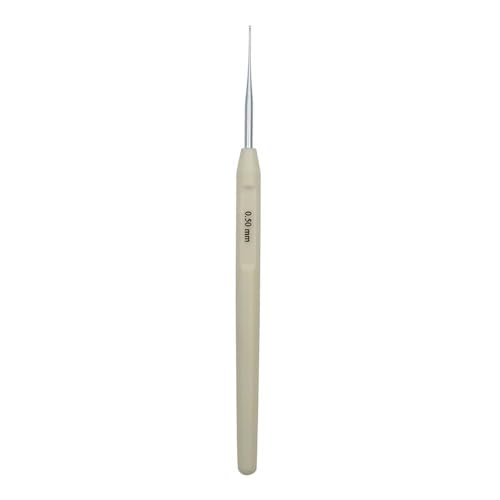
Knitter’s Pride focuses heavily on the user experience, and their steel hooks feature a unique, textured grip. This is particularly helpful if you find that your hands get slightly sweaty while knitting, which can make a smooth handle feel slippery.
The hook tip is precision-engineered to be sharp enough to penetrate the bead hole but rounded enough to avoid piercing your yarn. This balance is critical for maintaining the integrity of your stitches.
They offer a great middle-ground between budget-friendly options and luxury tools. The grip comfort makes them a favorite for knitters who have arthritis or limited dexterity.
Pony Steel Crochet Hook: Best for Fine Threading

Pony hooks are often overlooked, but they are exceptional for very fine, high-twist threads. The tip is remarkably slender, allowing you to navigate through the tiniest seed beads with ease.
If you are working with size 11/0 or 15/0 beads, you need a hook that doesn’t add unnecessary bulk. The Pony design excels in these tight-tolerance situations where every millimeter counts.
These are simple, elegant, and highly effective tools. They prove that you don’t always need a bulky ergonomic handle to achieve professional-looking results in your knitting.
How to Select the Right Hook Size for Your Beads
The golden rule of beading is that the hook must be small enough to pass through the bead hole with the yarn already in its throat. If the hook is too large, the bead will get stuck, potentially snapping the yarn.
- Size 15/0 beads: Use a 0.5mm to 0.6mm hook.
- Size 11/0 beads: Use a 0.75mm to 1.0mm hook.
- Size 8/0 beads: Use a 1.25mm to 1.5mm hook.
Always test your hook with a sample bead and your chosen yarn before starting your project. If you have to force the bead over the hook, it will likely cause issues during the actual knitting process.
Essential Tips for Beading Your Knitting Projects
Beading is most successful when you incorporate the bead onto the yarn loop before you knit the stitch. This ensures the bead sits cleanly on the front of the work.
- Use a dental floss threader: If your yarn is too thick for the hook, thread the yarn through a floss threader, put the bead on the threader, and slide it onto the yarn.
- Keep your tension loose: When pulling the bead over, avoid tugging too hard.
- Check your beads: Pre-sort your beads to ensure none have blocked holes or sharp edges that could cut your yarn.
Consistency is key. Whether you are placing beads on every stitch or every tenth row, keep your tension stable to prevent the fabric from puckering around the weight of the beads.
Troubleshooting Common Issues With Micro Hooks
The most common issue is "yarn splitting," where the hook catches a single ply of your yarn instead of the whole strand. This happens most often with soft, multi-ply yarns; try using a slightly more "grippy" hook or a slightly larger hook size if this persists.
If you find that your beads are not sitting straight, it is often a tension issue. Try "locking" the bead by knitting the stitch immediately after sliding the bead into place, ensuring the yarn is pulled tight enough to hold it upright.
Finally, if your hands hurt, stop and stretch. Beading requires micro-movements that are taxing on the small muscles of the fingers and wrists, so take frequent breaks to keep your knitting enjoyable.
Mastering the art of beading adds a beautiful, professional flair to your knitting repertoire. By choosing the right micro crochet hook, you eliminate the technical hurdles that often discourage makers from trying this technique. Remember that the best tool is the one that feels comfortable in your hand and handles your specific yarn weight with ease. Start with a simple project, take your time, and enjoy the process of adding a little extra sparkle to your stitches.