7 Best Project Bags for Keeping Cables Organized
Tired of tangled cords? Discover our top 7 project bags designed to keep your cables organized, accessible, and protected during travel or daily storage.
Every knitter knows the frustration of pulling a circular needle from a bag only to find the cable kinked, coiled, or tangled in a messy knot. After two decades at the needles, I’ve learned that your equipment is an investment, and how you store it directly impacts the quality of your stitches. Proper cable management isn’t just about tidiness; it’s about ensuring your tools are ready the moment inspiration strikes. Here are the best ways to keep your interchangeable cables smooth, supple, and tangle-free.
Della Q Maker’s Canvas Train Case: Best Overall
The Della Q Train Case is a masterclass in functional design for the traveling knitter. Its structured, upright shape prevents your cables from being crushed at the bottom of a heavy project bag.


The interior is lined with pockets that are perfect for keeping circular needles organized by length. Because the case stands on its own, you can easily swap out cables mid-row without digging through a disorganized pile.
The canvas construction is incredibly durable, meaning it stands up to years of being shoved into suitcases and tote bags. While it’s on the pricier side, the longevity of the materials makes it a sound investment for any serious maker.
Cocoknits Maker’s Portfolio for Cable Storage
If you prefer a flat, book-style organization system, the Cocoknits Portfolio is an excellent choice. It utilizes a clever magnetic system that keeps your cables perfectly flat rather than forcing them into tight, circular loops.

This is particularly important for cables made of memory-prone materials that tend to "remember" their shape if left coiled too long. By keeping them straight, you avoid the dreaded "spring-back" effect that can make knitting a wide sweater feel like wrestling an octopus.
The portfolio is slim enough to slide into a laptop sleeve, making it ideal for knitters who take their work to coffee shops or retreats. It’s a sophisticated, professional way to ensure your tools remain in pristine condition.
Thread & Maple Needle Binder for Cable Organization
The Thread & Maple Binder is essentially the gold standard for those who love tactile, high-quality leather goods. It features customizable felt pages that allow you to pin your cables in place, preventing them from sliding around during transit.
This system is brilliant because it treats your circular needles as individual tools rather than a tangled mass. When you’re working on a complex project like a lace shawl, having your specific cable lengths clearly labeled and accessible is a total game-changer.
The tradeoff here is the size; this is a substantial piece of kit that isn’t meant for a small project bag. However, for home storage or dedicated knitting stations, it provides unparalleled protection and visual order.
Namaste Maker’s Buddy Case for Cable Management

The Namaste Maker’s Buddy Case is a compact, zip-around solution that excels at keeping smaller accessories and cables contained. It’s perfect for the "minimalist" knitter who doesn’t want to carry an entire library of needles.
The interior pockets are sized specifically for standard interchangeable cables, keeping them secure without the need for bulky folders. I find this case particularly useful for keeping your "current project" cables separate from your "stash" cables.
Because it’s made from a wipeable, vegan material, it’s also very easy to keep clean. It’s a practical, no-nonsense choice for the knitter who values utility over ornate aesthetics.
KnitIQ Project Bag with Dedicated Cable Pockets

KnitIQ understands that project bags need to be more than just fabric sacks. By incorporating dedicated, labeled pockets for cables, they eliminate the "needle search" that often interrupts your flow state.
These pockets are designed to accommodate the natural curve of the cable, which is essential for preserving the integrity of the join. If you force a cable into a pocket that is too small, you risk damaging the connection point where the cable meets the needle tip.
This bag is a fantastic middle-ground option for intermediate knitters who are starting to build a collection of interchangeable sets. It keeps everything in one place, reducing the likelihood of losing a crucial cable during a project.
Muud Saturn XL Leather Bag for Cable Protection
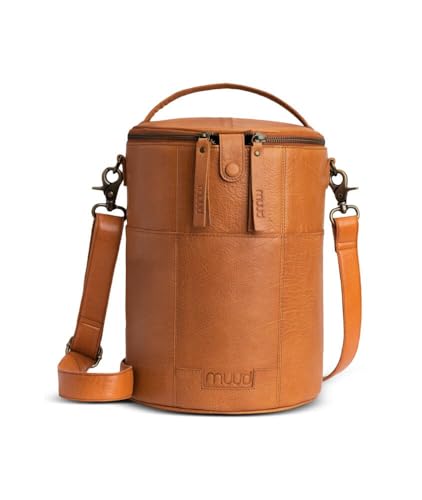
The Muud Saturn XL is a luxury item, but it serves a very practical purpose for the knitter who values tool longevity. The high-quality leather provides a sturdy, protective shell that keeps cables from being bent or kinked by other items in your bag.
Leather is naturally breathable, which is a subtle benefit for your cables, especially if you live in a humid climate. It prevents the "tacky" feeling that some synthetic cables develop when stored in plastic bags for extended periods.
While it is an investment, the durability of leather means this bag will likely outlast your current set of needles. It’s a sophisticated choice for the knitter who wants their gear to look as good as their finished garments.
HiyaHiya Needle Case for Compact Cable Storage

HiyaHiya is famous for their flexible, memory-free cables, and their branded cases are designed to highlight that strength. These cases are incredibly compact, making them ideal for knitters who prioritize portability above all else.
The internal layout allows you to sort cables by length and type, which is vital if you own multiple sets from the same brand. It’s easy to get confused between a 24-inch and a 32-inch cable, but a labeled case removes the guesswork.
The main tradeoff is that these cases are brand-specific. If you use a mix of needle brands, you might find the sizing doesn’t work for your entire collection, but for a dedicated HiyaHiya user, it’s the perfect fit.
How to Properly Coil Cables to Prevent Kinking
The biggest mistake knitters make is forcing a cable into a tight loop. Instead, hold the cable in your hand and gently let it form its natural, relaxed circle—usually about 6 to 8 inches in diameter.
Never "fold" a cable in half, as this creates a sharp crease that will never fully straighten out. If your cable is particularly stiff, soak it in warm (not boiling) water for a few minutes and lay it flat to cool; this resets the plastic memory.
- Avoid tight knots: Never tie your cables to keep them together.
- Use gentle curves: Always store in a loop, never a sharp bend.
- Cool down: If you’ve been working with a cable for hours, let it rest in a flat position to release the heat-induced tension.
Essential Tips for Labeling Your Interchangeables
If you have more than one set of interchangeable needles, you will eventually lose track of which cable is which. I recommend using small jewelry tags or masking tape to label the outside of your storage pouches with the specific length.
Don’t rely on your memory; even if you think you’ll remember that "the blue one is 32 inches," you won’t. When you’re in the middle of a complex pattern, you don’t want to waste time measuring cables with a tape measure.
- Color code: Use colored stickers to denote length categories.
- Keep it clean: Use removable labels so you can change them if you reorganize your collection.
- Inventory: Keep a master list in your project journal of which cables belong to which set.
Why Proper Storage Extends Your Cable Lifespan
Cables are the most vulnerable part of your interchangeable system. The connection point—the metal or plastic join—is under constant stress while you knit, and improper storage adds unnecessary fatigue to that area.
When you store cables correctly, you prevent the plastic from becoming brittle or developing micro-cracks. A well-maintained cable will remain flexible and smooth, allowing your stitches to glide effortlessly from the needle to the cord.
Ultimately, taking five extra seconds to coil your cable properly saves you the cost and frustration of replacing snapped or kinked cords. Treat your tools with care, and they will ensure your knitting remains a joy rather than a struggle.
Investing in the right storage is the hallmark of a knitter who respects their craft and their tools. Whether you prefer a leather binder or a simple canvas case, the goal remains the same: protecting the integrity of your cables for years of smooth knitting. Take the time to organize your collection today, and your future projects will thank you. Happy knitting, and may your joins always be secure and your cables forever kink-free.