7 Best Ergonomic Needle Rests For Carpal Tunnel
Ease hand strain with our top 7 ergonomic needle rests. Discover how these essential tools help manage carpal tunnel symptoms and improve your sewing comfort.
Knitting should be a source of meditative joy, but for many, the repetitive motion of the needles can lead to the dull ache of carpal tunnel syndrome. Finding the right ergonomic support is not about buying the most expensive tool, but about finding a bridge between your hands and your project. These seven supports offer different ways to distribute tension and alleviate the strain of long-term crafting. By adjusting how you grip your needles, you can keep your stitches consistent without sacrificing your long-term joint health.
Addi Express Ergonomic Needle Rest: Best Overall


The Addi Express system excels because it addresses the most common culprit of hand fatigue: the "death grip" on thin, metallic needles. When you are working on a complex lace shawl with 2.5mm needles, your hand naturally tightens to maintain control. This rest provides a wider surface area that forces your fingers into a more relaxed, open posture.
It is particularly effective for knitters who use the "pencil" or "knife" hold, as it acts as a stabilizer against the palm. By shifting the pressure away from the delicate tendons in the wrist and onto the fleshy part of the palm, it allows for hours of pain-free knitting.
The primary trade-off is the slight increase in overall needle length, which can feel awkward if you are used to very short circulars. However, for those suffering from chronic wrist fatigue, this minor adjustment to your knitting mechanics is well worth the trade-off.
Susan Bates Handi Tool Ergonomic Palm Support

This tool is a classic for a reason: it is simple, unobtrusive, and highly effective for those who struggle with needle slippage. If you find yourself constantly adjusting your grip because your needles feel like they are sliding out of your hands, this support provides the necessary friction.
The design is focused on palm-anchoring, which is essential for knitters who experience tingling in their thumb and index finger. By cradling the base of the needle, it prevents the hand from curling into a tight, strained fist.
It works best with medium-weight yarns like worsted or DK. If you are working with very fine, slippery silk yarn, you may find the grip is almost too aggressive, but for most everyday projects, it is a reliable workhorse.
Clover Amour Comfort Grip Needle Rest System

Clover is famous for their soft-touch handles, and this system brings that same philosophy to those who prefer traditional metal or bamboo needles. The material is a proprietary elastomer that feels slightly "tacky" to the touch, which prevents the needle from rotating in your hand as you knit.
This is a game-changer for knitters who struggle with uneven gauge caused by hand fatigue. When your hands are tired, your tension often tightens, leading to stitches that are difficult to work on the next row. This rest keeps your grip consistent throughout the entire project.
Be aware that the material can attract lint and dust over time. Keeping a small piece of tape or a lint roller nearby will keep the surface grippy and comfortable for years of use.
Knitter’s Pride Ginger Ergonomic Wrist Cradle

The Ginger series is designed with a focus on aesthetics and ergonomic balance, making it a favorite for those who value both form and function. The cradle is shaped to mimic the natural curve of the hand, which reduces the need to actively "hold" the needle during the stitch-forming process.
This is particularly useful for knitters who do a lot of stranded colorwork. Holding two different yarns at once requires a complex hand position that can quickly lead to cramping; this cradle provides the extra support needed to keep both yarns under control without over-tensing.
It is a premium option, so it represents a higher investment. If you are a casual knitter, you might find it overkill, but for those who spend their weekends working through a sweater, it is an essential piece of equipment.
Boye Ergonomic Knitting Needle Support Pillow

Sometimes, the best solution is the simplest one. This support pillow is a soft, foam-based attachment that provides a cushioned barrier between your palm and the needle. It is ideal for knitters who have developed calluses or sensitive skin from years of repetitive motion.
The pillow is lightweight and does not add significant bulk, making it a great choice for travel knitting. You can toss your project in a bag without worrying about the support breaking or losing its shape.
It is less rigid than other options, which means it won’t provide as much structural correction for your wrist. However, if your main issue is pressure-related discomfort rather than repetitive strain, this is the most comfortable choice.
ChiaoGoo Bamboo Comfort Grip Rest Attachment
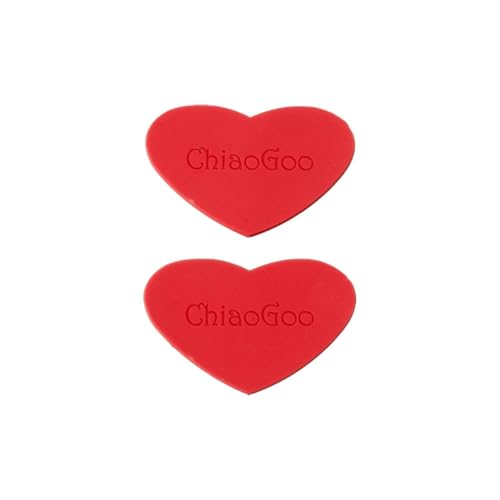
ChiaoGoo is beloved for their high-quality bamboo needles, and this attachment is specifically engineered to complement the lightweight nature of bamboo. Bamboo is naturally grippier than metal, and this rest enhances that stability without making the tool feel heavy.
If you are a beginner, you likely have a tighter gauge than you realize. This attachment helps you maintain a relaxed grip, which prevents you from "choking" the needle and creating stitches that are impossible to knit back into.
The attachment is quite slim, so it won’t interfere with your ability to maneuver in tight spaces, such as when working on the heels of socks. It is a subtle, almost invisible upgrade that makes a massive difference in long-term comfort.
Tulip Etimo Ergonomic Needle Cushion Support
Tulip’s ergonomic philosophy is all about the "cushion" factor, and this support is designed to be as soft as possible. It is perfect for knitters who suffer from arthritis or joint inflammation, as it requires very little pressure to maintain a secure hold.
The shape is slightly ergonomic, encouraging a neutral wrist position. This is vital for preventing the "flicker" motion that often aggravates carpal tunnel during continental knitting.
Because it is so soft, it may wear down faster than harder plastic alternatives. Consider this a "comfort-first" purchase that prioritizes immediate relief over long-term durability.
How to Choose Ergonomic Rests for Your Hands
Choosing the right rest depends entirely on your personal knitting style and the specific projects you favor. First, identify where you feel the most pain: is it in your wrist, the base of your thumb, or your palm?
- Wrist pain: Choose a rigid, contoured support like the Knitter’s Pride Ginger.
- Thumb pain: Look for something that encourages an open hand, like the Addi Express.
- Palm fatigue: Opt for a soft, cushioned option like the Boye or Tulip.
Always consider the weight of your project. A heavy, wool-cabled blanket will pull on your wrists differently than a lightweight cotton lace shawl. Match your support to the project’s physical demands.
Preventing Carpal Tunnel While Knitting Daily
The most important rule in knitting is to take frequent, scheduled breaks. Even if you are in the middle of a complex pattern row, put the needles down every 20 minutes to reset your hands.
Hydration and posture also play a massive role in nerve health. Avoid hunching over your work, as a rounded back can restrict blood flow to your arms and hands, exacerbating nerve compression.
Keep your knitting environment well-lit. When you struggle to see your stitches, you naturally tighten your grip and lean forward, which creates a cascade of tension throughout your neck, shoulders, and wrists.
Essential Stretches to Reduce Knitting Strain
Before you even pick up your yarn, spend two minutes warming up your wrists. Gently extend your arm forward with your palm facing up, and use your other hand to pull your fingers back toward your body.
Repeat this with your palm facing down to stretch the top of your forearm. These simple movements help to loosen the tendons that are most taxed during the knitting process.
Finally, perform "tendon glides" by opening and closing your hands slowly. This keeps the carpal tunnel area flexible and reduces the risk of inflammation after a long session of knitting.
Investing in your ergonomic health is the best way to ensure you can continue knitting for decades to come. Whether you choose a rigid cradle or a soft cushion, the goal is to listen to your body and make adjustments before the pain becomes chronic. Experiment with these tools, prioritize your stretches, and remember that a relaxed hand is a more consistent knitter. Happy stitching, and take care of those hands.