6 Best Yarn Swift Base Stabilizers for Heavy Yarn
Keep your yarn swift steady with these 6 top base stabilizers. Discover durable, easy-to-use options that prevent tipping while winding your heaviest skeins.
Winding a heavy, bulky-weight skein of hand-dyed wool can turn into a tangled nightmare if your swift isn’t properly anchored. Many knitters underestimate the torque and drag generated by thick, multi-ply yarns as they spin off the swift. A flimsy base doesn’t just wobble; it can cause uneven tension, leading to inconsistent gauge in your finished garment. Investing in a stabilizer is the secret to a professional, stress-free winding experience.
Stanwood Needlecraft Table Clamp: Best Overall
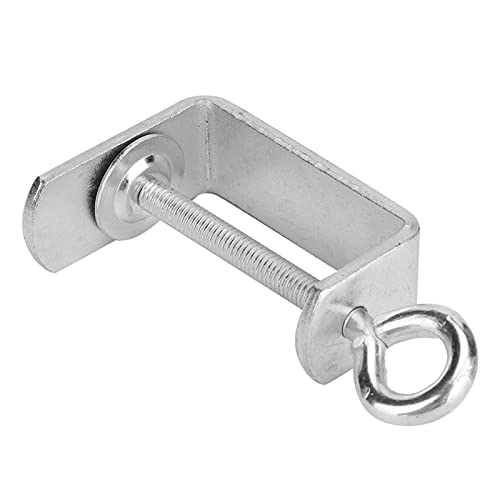

The Stanwood Needlecraft table clamp is a staple in many studios because it balances industrial strength with ease of use. It features a heavy-duty metal construction that grips the edge of your table with surprising tenacity.
If you frequently wind large skeins of Aran or Bulky weight yarn, you know the "tug" that happens when the swift rotates. This clamp minimizes that lateral movement, ensuring the swift stays perfectly vertical. It is a reliable workhorse for anyone who wants a "set it and forget it" solution.
The trade-off here is the sheer size of the hardware, which might not fit on thinner, delicate side tables. However, for a dedicated craft space, its unwavering grip makes it the gold standard for most fiber enthusiasts.
Amish-Style Wooden Swift Base: Best Stability
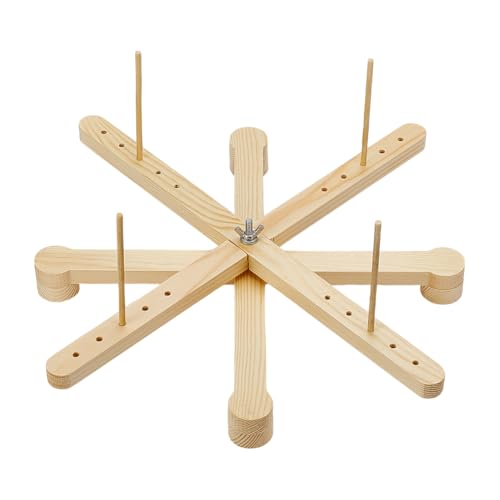
Amish-style swifts are unique because they sit horizontally on the table rather than spinning on a vertical spindle. This design naturally lowers the center of gravity, making it inherently more stable than umbrella-style swifts.

Because the yarn rotates on a flat plane, there is significantly less vertical pull on the base. This is a massive advantage when working with heavy, "sticky" wools that tend to cling to themselves and create sudden resistance.
While these swifts take up more horizontal table space, they offer unmatched balance. If you have the room, this is the most physically secure way to handle heavy yardage without worrying about the swift tipping over.
Lacis Heavy Duty Table Clamp: Best for Thick Yarn

The Lacis clamp is designed specifically for those who deal with high-tension winding scenarios. It is built with a reinforced throat that accommodates thicker table edges, making it incredibly versatile for different furniture setups.
When you are winding thick, lofty fibers, the friction against the swift arms can be significant. This clamp is engineered to withstand that drag without bowing or shifting. It provides a rigid connection that keeps your yarn flow consistent.
Don’t let the utilitarian look fool you; this is a precision tool for serious volume. It is the ideal choice for heavy-duty projects like chunky blankets or heavy-weight sweaters where consistency is paramount.
Fiber Artist Supply Co. Base: Best Durability

Fiber Artist Supply Co. is renowned for using high-quality hardwoods that stand the test of time. Their bases are often wider than standard models, which provides a broader footprint to distribute the weight of the yarn.
Durability isn’t just about the material; it’s about the engineering of the joints and connections. These bases are designed to handle the repeated stress of thousands of yards of yarn without developing "play" or wobbliness.
Investing in this level of craftsmanship means you likely won’t need to replace your setup for decades. It is a premium choice for the dedicated maker who values longevity and craftsmanship in their tools.
Strauch Triple Ply Swift Mount: Best Performance
The Strauch system is legendary among those who use high-end ball winders. It is designed to be part of a high-performance ecosystem, ensuring that the alignment between your swift and your winder is laser-precise.
When the alignment is off by even a few degrees, heavy yarn will catch, stretch, or snap. This mount eliminates that margin of error, creating a smooth, fluid path from the skein to the cake.
It is a significant financial investment, but it pays off in the quality of your yarn cakes. If you are working with expensive, hand-spun, or delicate luxury fibers, this mount provides the gentle, constant tension they require.
Wooden Yarn Swift C-Clamp: Best Budget Option

If you are a casual knitter who only winds yarn occasionally, a standard wooden C-clamp base is often perfectly adequate. These are simple, effective, and easily replaceable if they eventually show signs of wear.
The key to making a budget C-clamp work is ensuring you have a flat, sturdy table edge. Because they lack the complex bracing of premium models, you must be diligent about tightening them securely before you begin winding.
Don’t be afraid to add a small piece of felt or rubber between the clamp and your table. This simple DIY hack prevents the wood from slipping and protects your furniture finish at the same time.
Why Heavy Yarn Requires a Sturdy Swift Base
Heavy yarn, such as Chunky or Super Bulky weight, possesses more mass and creates more friction as it unwinds. This physical weight creates a "centrifugal pull" that can easily tip over a lightweight or poorly secured swift.
When the swift wobbles, the tension on your yarn fluctuates wildly. This leads to "yarn barf"—that annoying clump of tangled yarn that pops out of the center of your ball—or worse, a tangled mess that takes hours to untangle.
A sturdy base ensures the swift rotates smoothly and stops cleanly. By maintaining a constant, steady tension, you ensure that your yarn remains in its original state, preserving the loft and integrity of the fiber.
How to Properly Secure Your Swift to a Table
The secret to a secure swift is maximizing the surface area of the clamp against the table. Always ensure the clamp is tightened directly over a table leg or a structural support beam if possible.
Avoid clamping your swift to the middle of a thin table leaf or a flimsy folding table. These surfaces act like a drumhead, vibrating and magnifying the wobble of the swift as it spins.
Check your connection every few hundred yards. Even the best clamps can "creep" slightly due to the constant vibration of the winding process, so a quick tightening check is a professional habit to adopt.
Preventing Swift Wobble During Ball Winding
Wobble is usually a result of an off-center load or an uneven table surface. If your skein is not perfectly centered on the swift, it will create an uneven distribution of weight that causes the swift to "lurch" as it spins.
Always take the time to adjust the swift arms so the skein is taut, but not stretched. If the yarn is too loose, it will sag and catch on the arms; if it is too tight, you risk stretching the fiber, especially with elastic wools.
If you notice persistent wobbling, try placing a heavy book or a weight on the base of the swift. This lowers the center of gravity and absorbs the kinetic energy that would otherwise be translated into movement.
Essential Tips for Winding Heavyweight Skeins
Always unwind your skein slowly at first to ensure there are no hidden knots or tangles. If you find a knot, stop immediately; winding a knot into a ball is a recipe for a broken thread later in your project.
Pay attention to the "twist" of the yarn. Some heavy, single-ply yarns are prone to untwisting if they are wound too tightly or at too high a speed.
Finally, keep your winder and swift in a straight line. Creating a "zig-zag" path for the yarn increases friction and makes the whole system less efficient. A straight, unobstructed path is the hallmark of an experienced knitter.
Choosing the right swift base is about matching your tools to the weight and texture of the yarn you love to use. By prioritizing stability and proper mounting, you protect your fiber and ensure your winding sessions are productive. A well-anchored swift is the foundation of a successful knitting project, allowing you to focus on the joy of the craft. Happy winding, and may your yarn always flow smoothly from the skein to the needles.