6 Best Multi-color Changers For Striped Projects
Master striped projects with our top 6 multi-color changers. Discover tools that streamline transitions, ensure clean edges, and simplify your yarn workflow.
Creating clean, vibrant stripes in your knitting can transform a simple stockinette project into a striking work of art. Whether you are looking for the ease of self-striping yarns or the intentional shifts of hand-dyed gradients, selecting the right base is half the battle. This guide breaks down the best yarns on the market for achieving professional-looking stripes with minimal effort. Let’s explore how to elevate your next project with the perfect color-changing yarn.
Schachenmayr Regia Pairfect: Best Self-Striping


Regia Pairfect is the gold standard for anyone who has ever obsessed over matching their sock stripes perfectly. The yarn features a "yellow starter thread" that marks the beginning of each identical sock, removing the guesswork from aligning your color repeats.
If you are a perfectionist who hates when one sock starts with a blue stripe and the other starts with a green one, this is your solution. The nylon-wool blend is incredibly durable, meaning your hard work won’t wear out at the heels and toes after a few months of wear.
The tradeoff here is that you are somewhat beholden to the yarn’s predetermined repeat length. If your gauge doesn’t match the design’s intended stitch count, your stripes might shift slightly, but the ease of use remains unmatched for beginners.
Noro Kureyon: Best Hand-Dyed Color Transitions

Noro Kureyon is iconic for its rustic, woolly texture and dramatic, long-run color changes. It doesn’t stripe in a neat, mathematical way; instead, it shifts through earthy, unpredictable gradients that feel organic and artistic.
Because this is a single-ply, slightly irregular yarn, it has a "gritty" feel that some knitters love for its authenticity. It’s perfect for heavy cowls or felted bags where you want the colors to bleed into one another rather than forming crisp, clinical lines.
Keep in mind that Kureyon can have occasional knots or thick-and-thin sections. If you prefer a highly consistent, smooth fabric, this might feel too chaotic, but for those craving a "hand-spun" aesthetic, it is peerless.
Malabrigo Rios: Best Variegated Wool Selection
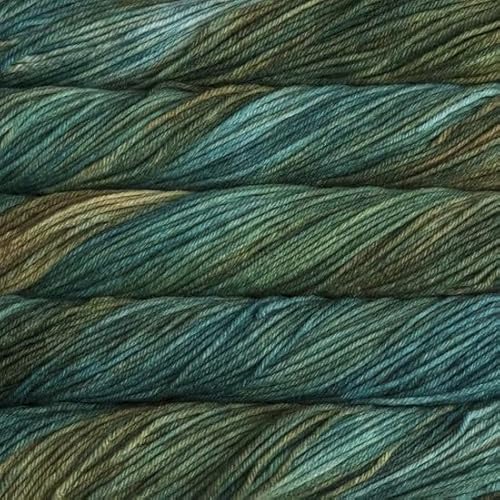
Malabrigo Rios is a workhorse superwash merino that offers some of the most sophisticated color palettes in the knitting world. While it isn’t a "striping" yarn in the traditional sense, its variegated dye lots create a beautiful, mottled effect that mimics stripes without the harsh transitions.
The beauty of Rios lies in its softness and the way the plied structure holds stitch definition. When you knit with it, you get a rich, painterly fabric that looks far more expensive than the price tag suggests.
Because it is hand-dyed, always remember to alternate skeins if you are working on a large garment. Even within the same colorway, subtle shifts in dye saturation can occur, and alternating keeps your fabric looking uniform.
KnitPicks Chroma: Best Budget-Friendly Gradient
Chroma is a fantastic entry point for knitters who want to experiment with long, slow color transitions without breaking the bank. It is a single-ply yarn that fades gradually from one hue to the next, creating a soft, watercolor effect across your project.
Because it is a single-ply, it is prone to pilling if used for high-friction items like socks. It truly shines in shawls or scarves where the drape can be showcased and the yarn isn’t subjected to constant abrasion.
If you are a new knitter, the price point makes it an excellent "practice" yarn for learning how to manage color transitions. Just be prepared for the occasional thin spot in the single-ply construction.
Scheepjes Whirl: Best Long-Gradient Cotton Blend
Scheepjes Whirl is a massive "cake" of yarn that features a very long, slow transition between colors, knotted together with tiny, nearly invisible joins. It is a cotton-acrylic blend, which gives it a crisp, cool-to-the-touch feel that is perfect for summer garments.
The yarn is very thin—often described as a light fingering weight—so it requires patience and smaller needles. However, the result is a fabric with incredible drape and a professional, store-bought finish that is hard to replicate with wool.
Because the color changes happen gradually, you have a lot of control over where the stripes land. It is the ideal choice for large, triangular shawls where you want the color to evolve as the project grows.
Lang Yarns Mille Colori: Best High-End Striping

Lang Yarns Mille Colori is a luxury yarn that treats color like a high-fashion accessory. The striping sequences are vibrant, intentional, and designed to look stunning whether you are knitting a simple hat or a complex sweater.
The fiber quality is exceptional, often utilizing high-grade wools that feel soft against the skin while maintaining excellent stitch integrity. It is the yarn you choose when you want the finished object to look like a designer boutique piece.
The primary tradeoff is the cost; this is an investment yarn. If you are going to use it, choose a pattern that highlights the color changes rather than one with too much texture or lace, which might distract from the beautiful striping.
How to Manage Multiple Yarns for Clean Stripes
Managing multiple yarns can feel like a juggling act, but the secret is in how you carry the unused color up the side of your work. When working flat, you can twist the yarns at the edge of every second row to create a clean, braided selvage that hides the transition perfectly.
If you are working in the round, you avoid the "jog" at the beginning of the round by slipping the first stitch of the new color. This simple trick shifts the start of the row slightly, smoothing out the visual transition between stripes.
Consistency is your best friend here. Always try to maintain the same tension on both the working yarn and the carried yarn to prevent the fabric from puckering or pulling at the color-change points.
Choosing Fiber Blends for Striped Garments
When selecting a yarn for stripes, consider how the different colors will behave during blocking. If you mix brands or fiber types, ensure they are all machine-washable or all hand-wash-only; mixing them can lead to a garment that warps or shrinks unevenly after the first soak.
- Wool/Nylon: Best for high-wear items like socks or mittens.
- Cotton/Acrylic: Ideal for shawls and summer tops where breathability and drape are key.
- Superwash Merino: Offers luxury softness but requires careful handling to avoid "growing" when wet.
Always knit a swatch that includes your color transitions and wash it. This tells you exactly how the fibers will interact and whether the colors are prone to bleeding into one another.
Maintaining Tension During Color Transitions
The most common mistake knitters make is pulling the new color too tight when starting a stripe. This creates a "pinched" look at the edge of the fabric that ruins the drape of the entire project.
Instead, leave a little extra slack in the first few stitches of the new color. You can always go back and tighten these stitches later when weaving in your ends, but you cannot easily fix a fabric that has been pulled too tight during the knitting process.
If you are using variegated yarns, remember that your tension might change subconsciously as you anticipate the color shift. Stay mindful of your rhythm and treat every stitch with the same deliberate movement, regardless of the color on your needle.
Weaving in Ends for Professional Striped Finishes
Weaving in ends is the final hurdle, but it is where professional work is distinguished from amateur attempts. When working with stripes, try to weave your ends vertically into the back of the same-colored stitches.
This camouflages the tail entirely and ensures that the end doesn’t peek through to the right side of your work. If you are working with a yarn that is prone to splitting, use a blunt-tipped tapestry needle to navigate between the plies rather than piercing the yarn itself.
Don’t trim your tails too short until after the first blocking. The fibers often settle and expand once wet, and you want to ensure your ends remain securely tucked away even after the fabric has relaxed.
Choosing the right multi-color yarn is about balancing your aesthetic goals with the practical demands of your project. Whether you prioritize the convenience of a self-striping sock yarn or the artistic flair of a long-gradient cotton, there is a perfect match for your skill level. Take the time to swatch, test your tension, and most importantly, enjoy the rhythm of the changing colors. Happy knitting, and may your stripes always be as crisp as your stitches.