7 Best Sweater Brushes For Fiber Grooming To Use
Revitalize your knitwear with our guide to the 7 best sweater brushes. Learn to remove pilling and restore fiber texture for a longer-lasting, fresh look.
There is nothing more heartbreaking than pulling your favorite hand-knit sweater out of storage only to find it covered in unsightly, fuzzy pills. These small balls of fiber are a natural byproduct of friction, but they don’t have to signal the end of your garment’s lifespan. With the right tools and a gentle touch, you can restore your knits to their original, stitch-defined glory. Here is my guide to the best grooming tools for maintaining your fiber collection.
The Laundress Sweater Stone: Best for Natural Fibers
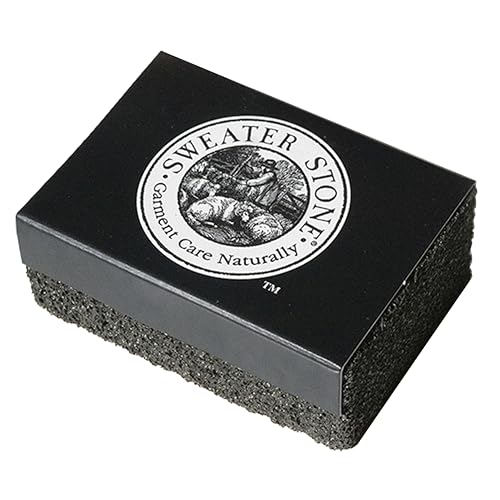

The Sweater Stone is a pumice-like block that works by catching and lifting fibers away from the surface of your knit. It is exceptionally effective on heavy wools, rugged fisherman sweaters, and dense, non-superwash yarns.
Because it relies on physical friction, it is best reserved for sturdy, rustic fibers that can handle a bit of abrasion. Avoid using this on delicate silk blends or loose, airy mohair, as the stone can snag the structure of the yarn and create unwanted pulls.
When using this tool, always work in one direction and use light, sweeping motions. Think of it like brushing a horse; you want to lift the pills without digging into the integrity of the individual stitches.
Gleener Ultimate Fuzz Remover: Best Versatile Tool
The Gleener is a unique hybrid tool because it features three interchangeable edges designed for different fabric weights. It bridges the gap between a manual comb and a heavy-duty electric shaver.

I recommend this for knitters who own a diverse wardrobe of fibers, ranging from fine cashmere to bulky wool. The edge designed for delicate items is gentle enough for your precious hand-dyed lace shawls, while the heavy-duty edge works wonders on your winter coat.
The tradeoff here is the manual labor required; you have to put in the physical effort to clear the surface. However, the lack of a motor means you have complete tactile control, significantly reducing the risk of accidentally slicing through a strand of yarn.
D-Fuzz-It Sweater Comb: Best Budget Friendly Pick
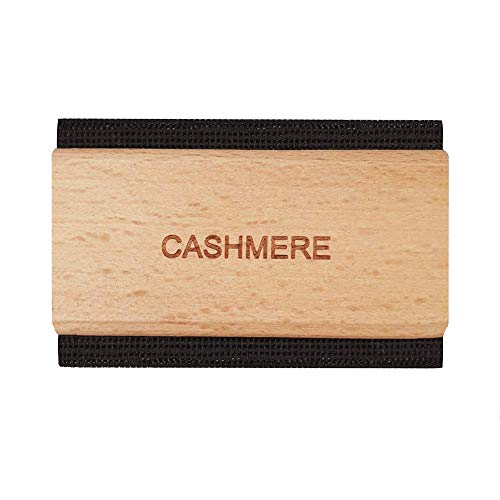
This simple, pocket-sized comb is a staple in every serious knitter’s notions bag. It is essentially a fine-toothed comb with a specialized edge designed to snag pills as you pull it across the fabric.

It is incredibly portable and requires zero batteries, making it the perfect tool to keep in your project bag for quick maintenance on the go. It works best on flat, smooth-knit surfaces like stockinette.
Be cautious when using this on cables or textured stitch patterns. The teeth can easily catch on a traveling stitch, potentially causing a dropped stitch if you aren’t paying close attention to your movements.
Philips Fabric Shaver: Best for Synthetic Blends
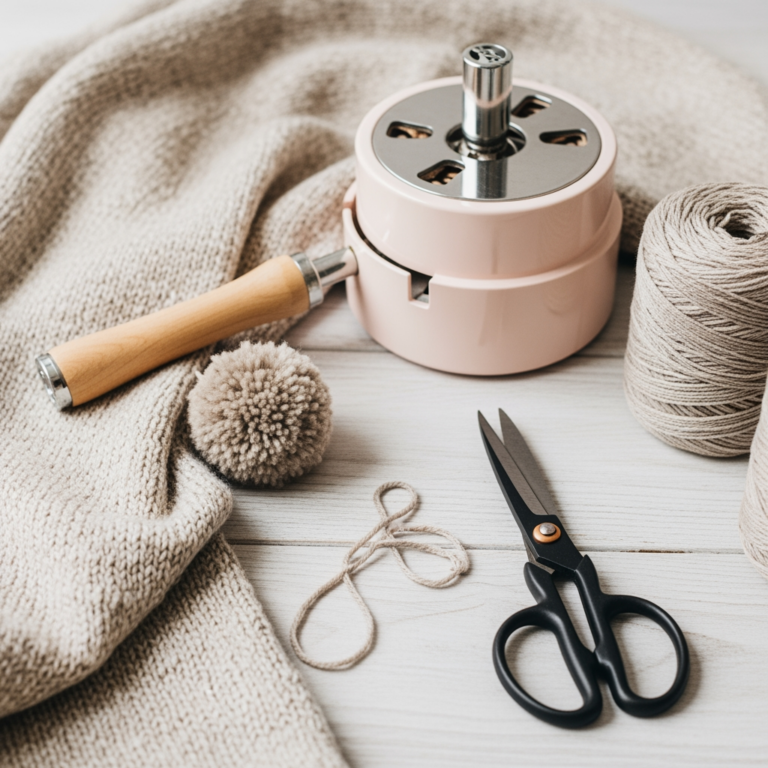
Electric shavers are my go-to for high-twist synthetic blends or acrylic-wool mixes that tend to develop "fuzz" rather than tight, round pills. The Philips model has a large head and a powerful motor, making it efficient for larger garments.
These tools work by rotating blades behind a metal mesh, effectively clipping the pills off the surface. This is a much faster process than manual combing, which is a relief when you are grooming a full-sized adult sweater.
Always test on an inconspicuous area first, such as the inside of a hem or the underarm. Even with a guard, a fast-moving blade can catch a loose thread and create a hole in your hard work in a split second.
Evercare Fabric Shaver: Best for Delicate Knits

The Evercare shaver is known for having a very consistent, gentle motor that doesn’t "chew" at the fabric. This makes it an excellent choice for finer gauges or yarns with a slight halo, like alpaca or fine merino.
When grooming delicate knits, the key is to keep the shaver moving constantly. If you hold it in one spot for too long, you risk thinning out the yarn, which compromises the structural integrity of your stitch pattern.
Keep the blade guard clean and free of debris throughout the process. A clogged guard will force you to press harder, which is the most common cause of accidental fabric damage during the grooming process.
Conair Battery Operated Shaver: Best for Travel

If you are traveling to a knitting retreat or a fiber festival, the Conair shaver is a reliable, compact option that won’t take up precious space in your luggage. It is small, lightweight, and easily replaceable if left behind.
Because it is battery-operated, it doesn’t have the raw power of a plug-in unit, but it is more than sufficient for touch-ups. It is ideal for cleaning up the cuffs and elbows of your favorite sweater before a weekend away.
The main downside is the battery consumption; these tools can burn through AA batteries quickly. I suggest keeping a spare set in your notions pouch so you aren’t left mid-groom with a half-shaven sleeve.
Steamery Fabric Shaver: Best for Premium Results
The Steamery shaver is an investment piece, but it offers a level of precision that is unmatched by budget alternatives. It is designed to be aesthetically pleasing and ergonomically comfortable for longer grooming sessions.
The motor is quiet and powerful, and the blade assembly is engineered to minimize the risk of catching on the yarn. If you have a collection of expensive hand-knits made from cashmere or yak, this is the tool I would trust most.
It is rechargeable via USB, which is a major convenience for modern knitters. It provides consistent speed, allowing for a uniform finish across the entire surface of your garment without the fading power of standard batteries.
How to Choose the Right Tool for Your Fiber Type
- Rustic/Woolen Spun: Use a Sweater Stone or a stiff brush to gently lift fibers.
- Smooth/Worsted Spun: A manual comb or an electric shaver works perfectly to maintain stitch definition.
- Delicate/Luxury Fibers: Always opt for a high-quality electric shaver with a gentle guard and move with extreme caution.
- Textured/Cabled Knits: Avoid electric shavers; use a manual comb or small scissors to avoid catching the cables.
Essential Techniques for Safe Sweater Grooming
Always lay your garment perfectly flat on a hard surface, like a blocking mat or a dining table. Never groom a sweater while you are wearing it, as you cannot see the surface clearly and you risk injury.
Hold the fabric taut with your non-dominant hand to ensure the surface is smooth. This prevents the fabric from bunching up, which is exactly when the blades or combs are most likely to snag a stitch.
Work in small, circular motions or gentle, straight strokes. If you feel any resistance, stop immediately and check for a snagged yarn end before proceeding.
How to Prevent Pilling Before Your Sweater Starts
Pilling is often caused by the "short fibers" in yarn rubbing together. When choosing yarn for a project, look for long-staple fibers, which are more resistant to friction and less likely to pill.
Practice good garment care by washing your knits inside out in a mesh laundry bag. This minimizes the friction against other clothes and the walls of the washing machine, keeping your stitches looking fresh for years.
Finally, consider the gauge of your project. A sweater knit at a tighter gauge will naturally be more resistant to pilling than a loosely knit, airy garment. If you know you are hard on your clothes, size down your needles for a denser, more durable fabric.
Maintaining your hand-knits is just as important as the act of knitting them. By choosing the right tool for your specific fiber blend and using a gentle, patient technique, you can keep your projects looking pristine. Remember that a little bit of grooming goes a long way in ensuring your hard work remains a wardrobe staple for years to come. Happy grooming, and may your stitches always stay smooth.