7 Best Press Cloths For Protecting Delicate Fibers
Discover the 7 best press cloths to safeguard delicate fabrics. Learn how these essential tools prevent scorch marks and maintain garment quality while ironing.
Achieving a professional finish on your hand-knit garments often comes down to the final blocking process. Using a high-quality press cloth acts as a vital barrier, preventing the iron from scorching your delicate fibers or creating unwanted shine. Without this layer of protection, even the most carefully crafted sweater can suffer from flattened stitches or melted synthetic blends. Selecting the right tool ensures your hard work remains pristine and perfectly shaped.
Dritz Press Cloth: Best Overall for Daily Use


The Dritz Press Cloth is a staple in many sewing and knitting rooms for good reason. It offers a balanced weight that is heavy enough to protect your wools and cottons, yet thin enough to allow for effective steam penetration.
For the average knitter, this is the reliable workhorse you want on hand. Whether you are steam-blocking a lace shawl or setting the seams on a cardigan, it provides consistent coverage without being cumbersome.
It is simple, effective, and durable enough to withstand years of regular use. If you want one tool that handles 90% of your blocking needs, this is a solid investment.
Reliable Corporation Ironing Shoe and Cloth

Sometimes, you need more than just a cloth; you need a system that prevents accidental heat damage entirely. An ironing shoe, used in tandem with a professional-grade cloth, creates a buffer zone between the metal soleplate and your delicate fibers.
This combination is particularly useful if you are working with heat-sensitive fibers like acrylic or certain alpaca blends. It allows you to use the iron’s steam function without the risk of the iron itself touching the yarn.
While it is a bit more of an investment, the peace of mind is worth it for high-end projects. You won’t have to worry about "ironing out" the loft of your yarn, which is a common mistake when pressing too aggressively.
Rowenta Pressing Cloth: Best for High Heat

When you are dealing with stubborn fibers that refuse to lay flat, you might be tempted to turn up the heat. The Rowenta Pressing Cloth is designed specifically to handle higher temperatures without compromising the integrity of the fabric underneath.
It is woven from materials that are highly resistant to heat transfer, making it ideal for pressing heavy wools or linen blends. If you are blocking a dense, cabled sweater that needs a firm press to define the texture, this cloth provides the necessary thermal barrier.
Just remember that even with a heat-resistant cloth, you should never leave the iron stationary on your knitting. Always use a lifting motion to avoid crushing the stitches.
E-Cloth Professional Grade Microfiber Pressing
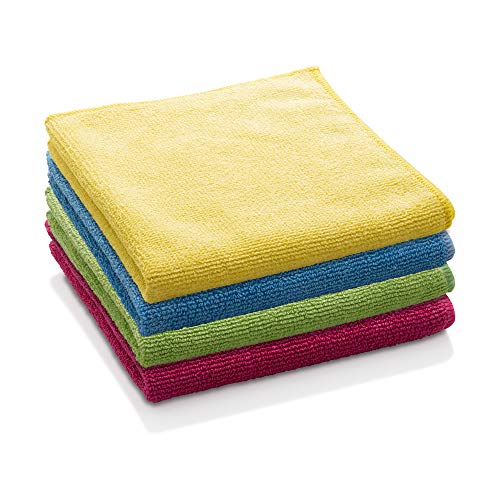
Microfiber is an interesting choice for pressing because of its unique texture and moisture-wicking properties. This cloth is excellent if you prefer a "damp press" method, as the fibers hold moisture evenly across the surface.
This is a fantastic option for knitters who struggle with uneven steam distribution. Because the microfiber holds the moisture, you get a consistent, gentle release of steam that helps relax the fibers without soaking them.
It is particularly effective for delicate fibers like silk or fine-gauge merino. It feels different than a traditional cotton cloth, but the results in terms of stitch definition are often superior.
Singer Ironing Cloth: Best Budget Choice

You don’t always need a high-end tool to get professional results. The Singer Ironing Cloth is an affordable, no-nonsense option that gets the job done without any bells or whistles.
It is lightweight and easy to maneuver, making it a great choice for smaller projects like socks or baby hats. It offers just enough protection to keep your iron from snagging on intricate lace or delicate yarn ends.
If you are a beginner knitter building your tool kit, this is a perfect starting point. It proves that you can achieve a beautiful finish without breaking the bank.
Tailor’s Clapper and Pressing Cloth Combo
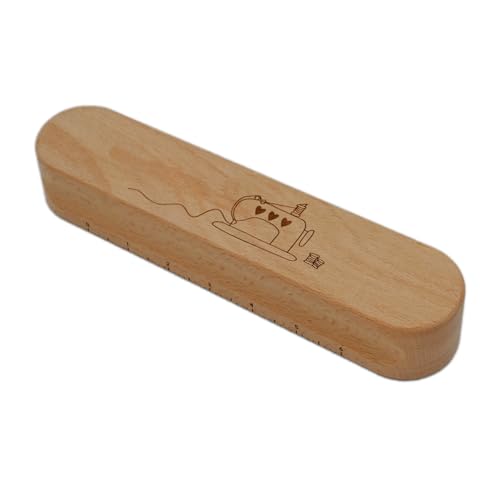
A tailor’s clapper is a wooden block used to absorb steam and set a crisp edge after pressing. When paired with a quality pressing cloth, it becomes an essential tool for structured knitwear, such as jackets or vests.
After you steam the fabric through the cloth, you immediately press the clapper down and hold it for a few seconds. This traps the heat and moisture, forcing the fibers to "set" in their new position.
This technique is a game-changer for knitters who want their seams to look like they came off a couture sewing machine. It prevents the edges from curling and gives your garment a clean, professional finish.
June Tailor See-Through Pressing Cloth
Being able to see your work while you press is a massive advantage, especially when you are trying to align complex patterns or seams. The June Tailor See-Through Pressing Cloth allows you to monitor your progress without lifting the cloth.
This transparency reduces the risk of shifting your work while you are trying to steam it into place. It is incredibly helpful for colorwork projects where alignment is critical to the overall look of the garment.
It takes the guesswork out of the process, ensuring that your blocking is as precise as your knitting. If you are a visual learner, you will likely find this to be your favorite tool in the collection.
Why Pressing Is Essential for Fiber Integrity
Pressing is not just about making a garment look neat; it is about finishing the fabric. When you knit, the yarn is manipulated and stretched in ways that can make the stitches look uneven.
Steam-blocking with a press cloth allows the fibers to relax and bloom, filling in the gaps and creating a cohesive fabric. This is especially important for:
- Superwash wools, which can grow significantly after a wash.
- Lace projects, which need to be opened up to show their true pattern.
- Stranded colorwork, which often looks puckered until it is properly blocked.
By using a press cloth, you protect the loft of the yarn while still giving it the structure it needs. It is the final step in the transformation from a collection of stitches to a finished piece of art.
How to Choose the Right Cloth for Your Project
The "right" cloth depends largely on the fiber content and the weight of your yarn. For delicate, airy lace, you want a thin, breathable cloth that won’t flatten the intricate work.
For heavy, dense wools used in sweaters, a thicker, more absorbent cloth is better. Consider these factors:
- Fiber sensitivity: Does the yarn contain synthetic fibers that melt easily?
- Texture: Are you trying to preserve cables or ribbing?
- Size: Is the project a large blanket or a small pair of mittens?
Always perform a swatch test if you are unsure how a specific fiber will react to heat. Your swatch is the best place to experiment with different pressing cloths and techniques before you touch your finished garment.
Essential Tips for Safe Steam Pressing Knits
The most important rule of steam pressing is to never actually "iron" your knitting. Instead of sliding the iron back and forth, use a gentle "up and down" motion.
This prevents the fabric from stretching out of shape. Keep these tips in mind for safety:
- Use plenty of steam: The steam does the work, not the weight of the iron.
- Don’t over-press: You want to relax the fibers, not flatten them into a lifeless sheet.
- Let it cool: After pressing, let the garment sit undisturbed until it is completely dry and cool.
This resting period is crucial for the fibers to lock into their new shape. If you move or wear the garment while it is still warm and damp, you risk losing all the progress you just made.
Investing in a quality press cloth is one of the simplest ways to elevate the quality of your finished knitwear. Whether you choose a simple cotton cloth or a specialized transparent option, the protection it provides is invaluable. Remember that the goal is to enhance your stitches, not to flatten them into submission. With these tools and a careful, deliberate approach, your hand-knits will look and feel truly professional.