7 Best Wooden Buttons For Handmade Cardigans
Elevate your handmade cardigans with these 7 top wooden buttons. Discover durable, stylish options that add a perfect, natural finish to your knitwear designs.
Choosing the right buttons for a handmade cardigan is the final, critical step that transforms a pile of yarn into a polished garment. After spending weeks on gauge swatches and tedious kitchener stitches, you need hardware that complements your fiber choice rather than detracting from it. Wooden buttons offer a warm, organic aesthetic that plastic simply cannot replicate, grounding your work in natural textures. This guide explores the best wooden options to ensure your hard work stays securely fastened for years to come.


Dill Buttons Natural Olive Wood: Best Overall Pick

Olive wood is a favorite among seasoned knitters because of its striking, high-contrast grain patterns. These buttons feel substantial in the hand, offering a weight that balances well against heavier wools like worsted or aran weight yarns.
Because they are carved from natural timber, every button features a unique swirl. This variation adds an artisanal touch to a cardigan that might otherwise look too "store-bought" or uniform.
The trade-off here is the occasional rough edge near the buttonhole. Always run a small piece of fine-grit sandpaper through the holes before sewing them on to ensure they don’t snag your delicate wool fibers.
ButtonMode Laser-Etched Birch: Best for Details
When you have spent hours on a complex cable pattern, you don’t want a generic button competing for attention. Laser-etched birch buttons provide a crisp, clean look that highlights intricate designs without overwhelming the fabric.
Birch is a harder wood, which makes it excellent for holding fine, detailed engravings. These buttons are typically lighter in color, making them a perfect match for pastels or hand-dyed yarns that need a neutral anchor.
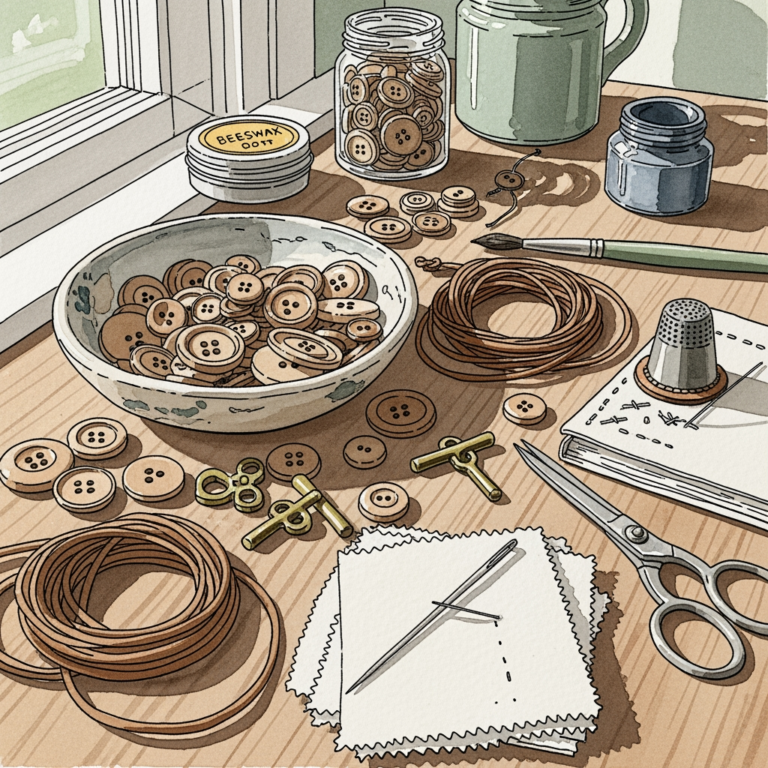
Keep in mind that birch can be slightly more porous than denser hardwoods. If you are using these on a garment that will see heavy rain or frequent washing, consider a light coat of beeswax to seal the wood.
JHB International Coconut Shell: Best Sustainable
Coconut shell buttons are technically wood-adjacent, but their durability is unmatched in the fiber arts world. They are incredibly dense and resistant to moisture, making them an ideal choice for a daily-wear cardigan.
Using coconut shell is a fantastic way to lean into the eco-conscious side of knitting. They have a dark, earthy tone that looks stunning against rustic, undyed sheep’s wool or thick, lofty yarns.
While they are very strong, they can be brittle if struck against a hard surface. Treat them with the same care you would a delicate ceramic mug, and they will likely outlast the sweater itself.
Dress It Up Wood Hearts: Best for Kids Projects

Children’s knitwear requires buttons that are both charming and functional. Wood heart-shaped buttons add a whimsical finish to a baby’s cardigan or a toddler’s first wool coat.
These are usually lighter and smaller, which is essential for maintaining the drape of lightweight baby yarns like merino or alpaca. Heavy buttons can cause a child’s sweater to sag or distort at the placket.
Because these are often sold in novelty sets, check the buttonholes for consistency. If you find one is slightly smaller than the others, use a thicker thread to sew it on, which helps stabilize the button against the pulling of tiny hands.
Benno’s Buttons Walnut Toggles: Best for Chunky

Toggles are the gold standard for chunky, oversized cardigans knit on 8mm needles or larger. They provide a secure closure that is easy to manipulate, even if your hands are tired after a long knitting session.
Walnut is a rich, dark timber that adds a sense of luxury to rustic, bulky-weight sweaters. The weight of the walnut prevents the button from flopping around, keeping the front of your cardigan neatly aligned.
When attaching toggles, use a "shank" method to create a small gap between the wood and the fabric. This allows the toggle to pivot easily, preventing the button from pulling on your stitches and creating unsightly holes in the placket.
Trim Shoppe Polished Beechwood: Best Value Pack
When you are knitting a cardigan that requires ten or twelve buttons, the cost of individual buttons adds up quickly. Polished beechwood sets are the practical knitter’s secret weapon for large-scale projects.
Beech is a neutral, light-colored wood that takes dye well, but it also looks beautiful in its natural, polished state. These are generally uniform in size, which is a massive relief when you are trying to align a long button band.
Because they come in value packs, you might occasionally find a button with a slight color variation. Sort through the entire pack before you start sewing to ensure the buttons you pick for the front are the best visual match.
Prym Natural Wood Buttons: Best for Durability

Prym is a staple in the knitting community for a reason: their quality control is consistently high. Their natural wood buttons are treated to handle the friction of being pulled through buttonholes repeatedly.
If you are knitting a cardigan for a man or a garment that will be worn over rougher layers, you need this level of durability. These buttons are less likely to splinter or crack over time compared to cheaper, untreated alternatives.
The finish on these buttons is generally smooth, which protects your yarn from abrasion. This is crucial if you are working with soft, single-ply yarns that are prone to pilling or breaking under stress.
How to Select the Right Button Size for Cardigans
Selecting the right button size is a balance between the buttonhole size and the weight of your yarn. A button that is too large will stretch your buttonholes over time, leading to gaps in your placket.
- For Fingering Weight: Aim for 10mm to 12mm buttons.
- For Worsted Weight: 15mm to 20mm is usually the sweet spot.
- For Bulky/Chunky: Look for 25mm and up, or consider toggles.
Always test the fit by pushing the button through the hole before you sew. If you have to force it, the button is too big and will eventually snap your yarn; if it falls through on its own, it’s too small.
Tips for Sewing Wooden Buttons to Prevent Wear
Never sew a button directly flush against the knitting. Use a matchstick or a toothpick as a spacer between the button and the fabric while you stitch to create a "shank."
Once the button is secure, remove the spacer and wrap your sewing thread tightly around the stitches underneath the button. This creates a sturdy stem that allows the button to sit on top of the fabric rather than digging into it.
Use a heavy-duty button thread that matches the color of your yarn. Even if the button is wood, the thread is the actual structural support for the closure; don’t skimp on quality here.
Caring for Natural Wood Buttons After Laundering
While wooden buttons are beautiful, they do not like being submerged in water for long periods. If you are washing a wool cardigan, try to spot-clean the buttons or remove them if possible.
If the buttons do get wet during a full hand-wash of your garment, pat them dry immediately with a clean towel. Never leave them damp in a pile of wet wool, as the moisture can cause the wood to swell or the grain to raise.
Periodically buffing your buttons with a tiny drop of mineral oil or wood wax will keep them supple and prevent them from drying out. This simple maintenance routine ensures your buttons remain a highlight of your garment for years.
Selecting the perfect wooden button is an act of love that honors the time you invested in your knitting. Whether you choose the rustic charm of olive wood or the structural reliability of a walnut toggle, your choice will define the longevity of the piece. Take your time with the sewing process, ensure your buttonholes are reinforced, and enjoy the organic beauty of your finished work. Happy knitting, and may your buttons always stay securely in place.