6 Best Seam Rippers For Adjusting Button Placement
Need to move buttons? Discover the 6 best seam rippers for precision and fabric safety. Our guide helps you adjust placements easily without damaging threads.
Shifting a button on a finished hand-knit garment is a nerve-wracking task that can easily lead to dropped stitches or unsightly snags. Using the right tool is the difference between a seamless adjustment and a ruined sweater front. This guide evaluates the top seam rippers designed to help you navigate delicate yarn structures with confidence. Selecting the proper implement ensures your hard work remains intact while you refine the fit of your favorite pieces.
Clover Desk Needlecraft Seam Ripper: Best Overall
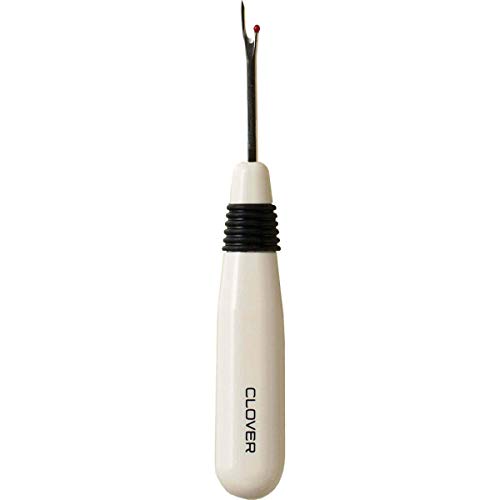

The Clover Desk Needlecraft ripper is a favorite because of its weighted base and exceptionally sharp, fine blade. It sits sturdily on your workspace, meaning you aren’t fumbling with a tiny tool while trying to navigate the tight tension of a button placket.
The blade itself is polished to a high sheen, which allows it to glide through cotton or wool plies without catching or fraying the fiber. Because the point is protected by a small safety ball, you are far less likely to accidentally slice through the yarn of your garment.
For most knitters, this is the gold standard for daily maintenance. It balances safety with performance, making it the most reliable choice for moving buttons on everything from bulky cardigans to fine-gauge baby sweaters.
Dritz Deluxe Seam Ripper: Best for Thick Yarns
If you are working with chunky, high-twist wool or heavy-duty cotton yarn, the Dritz Deluxe is your go-to. Its slightly larger blade profile is designed to handle thicker threads that would simply clog or dull a more delicate tool.
The ergonomic handle provides excellent leverage, which is crucial when you are dealing with dense, felted, or multi-ply button bands. You need a tool that can "bite" into the stitch without requiring excessive force, as forcing a tool is exactly how you end up with a snapped stitch.
Keep in mind that this tool is less suited for fine lace or delicate fingering weight projects. Use it specifically for your heavier-gauge pieces where the yarn diameter matches the robust nature of the blade.
Gingher Fine Point Seam Ripper: Best for Precision

Gingher is legendary for its steel quality, and this seam ripper is no exception. It is incredibly sharp, which allows for surgical precision when you need to snip a single thread of a button attachment without disturbing the surrounding knit structure.
This tool is ideal for knitters who use high-twist, smooth yarns like silk or mercerized cotton. Because it is so sharp, you do not need to pull or tug at the button thread; a gentle touch is all it takes to sever the connection.
The trade-off for this sharpness is caution. You must be steady-handed, as this blade will cut through your sweater yarn just as easily as it cuts through the button thread if you aren’t careful.
Singer Ergonomic Seam Ripper: Best for Comfort

If you suffer from hand fatigue or have limited dexterity, the Singer Ergonomic model is a game-changer. The handle is shaped to fit naturally in the palm, reducing the strain on your knuckles during intricate work.
The blade is high-quality, but the real benefit here is the grip. When you are adjusting a row of six or more buttons on a long cardigan placket, the comfort factor becomes just as important as the sharpness of the blade.
This tool is a practical choice for long-term use. It doesn’t offer the extreme precision of a Gingher, but it prevents the cramping that often leads to mistakes during repetitive tasks.
LDH Scissors Thread Cutter: Best Compact Option
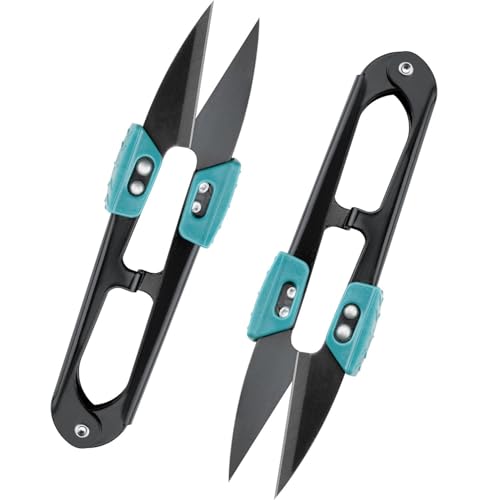
Sometimes, a traditional seam ripper is actually overkill. The LDH scissors-style thread cutter is perfect for snipping button threads because it offers the control of a scissor blade without the bulk of a seam ripper head.
Because you are using a scissor action, you have total control over how much of the thread is engaged. This is safer for delicate fibers because you aren’t dragging a blade through the stitch density of your knitting.
Keep this in your project bag for on-the-go fixes. It is small, portable, and incredibly effective for quick adjustments at a knitting circle or while traveling.
Wescott Titanium Seam Ripper: Best for Durability

Titanium-bonded blades stay sharper for much longer than standard carbon steel. If you find yourself frequently adjusting buttons or performing "surgery" on thrifted knitwear, the Wescott is a smart investment that resists dulling.
The durability of the blade means you won’t experience that "tug" that happens when a dull blade starts to pull at fibers rather than slicing through them. A clean cut is essential to prevent the "fuzzing" that occurs when fibers are torn.
While the blade is robust, the handle is also well-balanced. It feels substantial in the hand, giving you a sense of control that is vital when working on precious, hand-knit heirloom pieces.
How to Safely Remove Stitches from Hand Knits
The secret to removing button stitches is to work from the back of the placket whenever possible. By identifying the "anchor" threads that hold the button in place, you can snip them individually rather than trying to rip them out.
Always use a magnifying glass if your yarn is dark or very fine. It is surprisingly easy to snip a loop of your knitting if you aren’t looking at the stitch architecture under good, bright light.
Never force the seam ripper through a tight knot. If the thread is stuck, use a tapestry needle to gently tease the knot open before attempting to cut it.
Avoiding Damage to Delicate Fiber During Rip Outs
Delicate fibers like mohair, angora, or high-twist silk are prone to snagging. When working with these, avoid using the pointed tip of the ripper entirely; instead, use the side of the blade to gently saw through the thread.
If you do accidentally nick a yarn strand, don’t panic. Use a small amount of clear fabric glue or a tiny dab of matching yarn tail to reinforce the area before re-sewing the button.
- Avoid: Using seam rippers on "haloed" yarns like mohair, as the fibers will tangle in the blade.
- Use: A pair of embroidery snips instead of a ripper for fuzzy or highly textured yarns.
- Check: Your tension; if the button is sewn on too tightly, the thread will be embedded in the knitting, making it harder to remove safely.
Essential Tips for Perfect Buttonhole Alignment
Before you finalize the new button placement, pin the button in place and try the garment on. A button that looks perfectly centered on a flat surface can shift dramatically once the weight of the yarn and the body’s movement are factored in.
Ensure your buttonhole is reinforced with a small amount of matching thread on the backside. This prevents the button from stretching the knit fabric over time, which is a common issue with heavier buttons.
When sewing the button back on, use a "shank" (a small spacer like a toothpick) to ensure there is enough room for the fabric of the buttonhole to sit comfortably behind the button. This prevents the placket from puckering or pulling.
Frequently Asked Questions About Seam Ripping
Will a seam ripper ruin my knitting? Only if you use it aggressively. Always treat the tool as a guide, not a lever.
Can I use a seam ripper on lace weight yarn? It is not recommended. Use fine embroidery scissors instead to avoid catching the delicate structure of the lace.
How do I know if my seam ripper is dull? If you have to pull at the thread to cut it, the blade is dull. Replace it immediately to prevent fiber damage.
Adjusting button placement is a simple task that preserves the longevity and wearability of your hand-knitted garments. By choosing the right tool—whether it’s the precision of a Gingher or the comfort of a Singer—you ensure that your project remains as beautiful as the day you cast it off. Take your time, work with good lighting, and always prioritize the integrity of your stitches over the speed of the repair.