7 Best High-Contrast Lighting for Dark Yarns
Master dark yarn projects with these 7 high-contrast lighting techniques. Learn how to optimize visibility and precision for intricate, low-light stitching.
Knitting with black, navy, or charcoal yarn is a rite of passage that often feels more like a test of endurance than a creative hobby. Without the right lighting, your stitches disappear into a "black hole," leading to dropped loops and skipped increases. The secret to mastering dark fibers isn’t squinting harder; it’s about manipulating your environment to create high-contrast visibility. Here are the tools and techniques I recommend to turn those midnight-hued projects into a joy rather than a chore.
Brightech LightView Pro Magnifying Floor Lamp
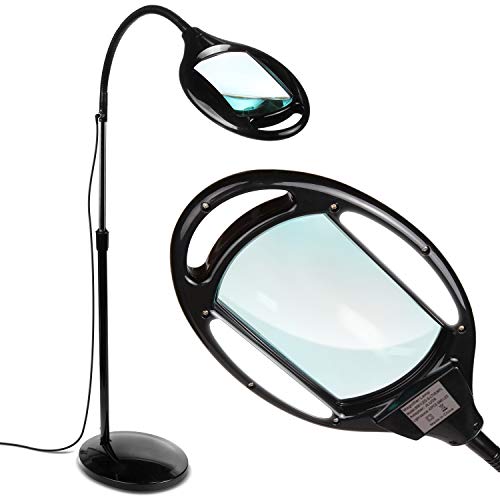

If you are working on intricate cables or lace with dark wool, you need more than just brightness; you need magnification. This lamp combines a high-quality glass lens with a bright LED ring, effectively "opening up" the structure of the yarn.
The magnification is the real game-changer for dark projects. It allows you to see the individual plies of the yarn, which helps you distinguish between the working yarn and the stitch you are about to pick up.
Keep in mind that the lens can take some getting used to if you wear bifocals. However, for those working with dark, high-twist yarns where the stitch definition is naturally muted, this lamp is an essential diagnostic tool.
OttLite 2-in-1 LED Floor and Table Lamp Review
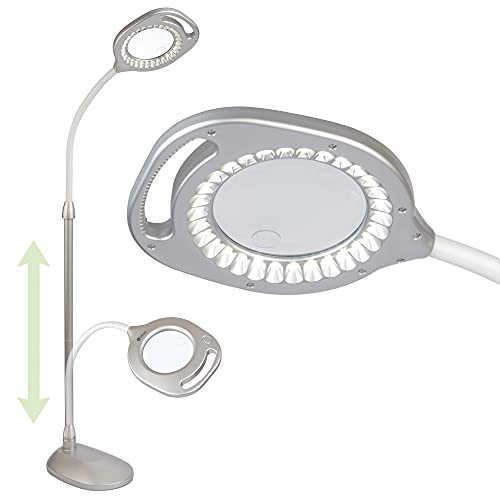
Versatility is the hallmark of the OttLite 2-in-1, especially for knitters who move between the armchair and the dining table. It mimics natural daylight, which is crucial for color accuracy when working with dark, moody tones.
Many knitters struggle with "color shift," where a dark navy looks black under yellow-toned household bulbs. This lamp eliminates that ambiguity, ensuring you don’t accidentally mix up two similar dark shades in a colorwork project.
The tradeoff here is the reach of the arm. While it is excellent for focused task lighting, it doesn’t offer the wide-angle coverage of a floor lamp, so you may need to adjust its position frequently as your project grows.
Daylight Company Wafer 3 Lightbox for Precision

Using a lightbox for knitting might seem unconventional, but it is a secret weapon for black yarns. By placing your work on top of a thin, illuminated surface, you create a silhouette effect that makes every stitch pop.
This is particularly effective when working with dark, fuzzy fibers like mohair or alpaca. The light shines through the "halo" of the fiber, highlighting the stitch path without the glare you get from overhead lamps.
It is an investment, but for those who specialize in dark-toned garments, it is unmatched. Just ensure your workspace is clear, as the lightbox requires a flat surface to operate safely.
Neatfi XL 2,200 Lumens LED Task Lamp Performance
When you need to illuminate a large-scale project like a dark wool sweater, the Neatfi XL is the heavy lifter. Its wide lens provides an expansive field of light that covers your entire lap.
The sheer lumen output is the standout feature here. If you find yourself struggling to see your stitches during late-night knitting sessions, this lamp provides the intensity required to cut through the shadows.
Be aware that because it is so bright, it can cause eye fatigue if not positioned correctly. I recommend angling it so the light hits your needles from the side rather than directly overhead to reduce glare on metallic needle tips.
Phive Architect LED Desk Lamp for Dark Yarns
The Phive Architect lamp is a master of adjustability, allowing you to direct light exactly where your needles meet the yarn. Its sleek design fits well in smaller spaces where a floor lamp would be too cumbersome.
The dimming feature is highly underrated for fiber arts. You can crank it to maximum intensity when working with black silk, then dial it back when you switch to a lighter color, saving your eyes from unnecessary strain.
It is a sturdy, reliable choice for a dedicated knitting desk. However, because it is a desk lamp, you must be sitting at a table to get the full benefit of its precision lighting.
Lepower Metal Architect Desk Lamp Comparison

If you prefer a traditional aesthetic, the Lepower metal lamp offers a functional, budget-friendly approach to task lighting. It uses a standard bulb base, which is a significant advantage for those who have a specific color temperature preference.
I suggest pairing this with a "daylight" or "full-spectrum" LED bulb. This simple swap can transform a basic lamp into a high-contrast powerhouse for very little cost.
The main tradeoff is the lack of integrated LED tech, which means you’ll need to manage the bulb choice yourself. It’s a great entry-level option, but it lacks the refined, flicker-free performance of more expensive specialized lamps.
BenQ ScreenBar Halo for Workspace Illumination

For the modern knitter who keeps a pattern on a tablet or computer, the BenQ ScreenBar Halo is a brilliant solution. It clips to the top of your monitor, lighting your work area without taking up any desk space.
While it is designed for screens, it provides excellent ambient light for your hands. It is perfect for those who knit while following digital patterns, as it illuminates both the screen and your needles simultaneously.
It is a premium product with a price tag to match. If you have a dedicated tech-integrated knitting station, it is worth every penny for the clean, clutter-free environment it creates.
Why Color Temperature Matters for Dark Knitting
Color temperature, measured in Kelvins (K), dictates whether your light looks warm (yellow) or cool (blue/white). For dark knitting, you want to aim for the 5000K to 6500K range.
Warm light tends to muddy dark colors, making navy look like black and charcoal look like brown. Cool, daylight-balanced light provides the crisp contrast needed to see the texture of the yarn.
Don’t be afraid to experiment with different bulbs if your lamp allows it. A slight shift toward a cooler light can make a massive difference in your ability to "read" your knitting.
Setting Up Your Workspace for Low Light Projects
The best lighting in the world won’t help if your background is also dark. When knitting with black yarn, place a light-colored towel or a white pillowcase on your lap.
This creates a high-contrast backdrop that makes the dark yarn stand out against your legs. It’s a simple, free, and incredibly effective trick that every knitter should use.
Additionally, consider the surface of your table. A light-colored mat or a piece of white cardstock can reflect light back up into your work, further reducing the strain on your eyes.
Essential Tips for Stitching With Black Yarns
Beyond lighting, your choice of needles can make or break a dark project. Avoid dark-colored needles, such as black carbon fiber or dark wood, which will disappear into the yarn.
- Use bright, high-contrast needles: Silver, white, or light-colored bamboo needles provide a visual "anchor" for your stitches.
- Check your stitch count often: Don’t wait until the end of a row to realize you’ve missed an increase.
- Work in shorter bursts: Dark yarn is objectively more taxing on the eyes; take frequent breaks to prevent fatigue.
- Rely on your sense of touch: As you gain experience, you will learn to "feel" the stitch anatomy, which is a vital skill when visibility is low.
Knitting with dark yarn doesn’t have to be a struggle if you prioritize visibility and contrast. By combining a high-quality light source with a light-colored lap cloth, you can maintain your stitch integrity and enjoy the process. Remember that your eyes are your most valuable knitting tool, so invest in lighting that supports them. Happy knitting, and may your stitches always be easy to find.