7 Best LED Neck Lights For Night Knitting To Try
Illuminate your craft with our top 7 LED neck lights. Discover ergonomic, adjustable designs that ensure perfect visibility for every late-night knitting project.
Knitting in low light is a rite of passage for every maker, but squinting at dark yarn on 2.25mm needles is a recipe for eye strain and dropped stitches. A quality neck light acts as your personal spotlight, illuminating your work without the discomfort of a heavy headlamp. By casting a steady glow directly onto your needles, you can maintain your rhythm even during late-night marathon sessions. These seven picks are designed to keep your stitches visible and your hands free for the craft you love.
Glocusent LED Neck Reading Light: Best Overall


When you’re working with dark navy wool or black mohair, you need a light that mimics natural daylight to see your stitch definition. The Glocusent excels here because it offers multiple color temperature modes, allowing you to switch from a warm, cozy glow to a crisp, cool white that makes every strand of yarn pop.
The ergonomic design sits comfortably against the collarbone without interfering with your yarn tension. If you’re a continental knitter who keeps their hands close to the body, you’ll appreciate that the arms are soft and flexible, staying out of your way as you move.
This is the gold standard for most knitters because it balances weight, battery longevity, and directional control. It’s the light I recommend for anyone tackling complex cable patterns where losing your place in a chart is a constant threat.
Vekkia Rechargeable Neck Book Light: Best Value

You don’t always need top-tier features to get the job done, especially if you’re mostly knitting simple stockinette blankets or garter stitch scarves. The Vekkia offers a reliable, no-frills experience that focuses on getting the light exactly where your needles meet the yarn.
It’s lightweight enough that you’ll forget you’re wearing it after a few rows. While it lacks some of the advanced dimming settings of more expensive models, it provides a consistent, steady beam that is more than sufficient for evening knitting in a dimly lit living room.
For the price, it’s an excellent addition to your project bag. Keep one tucked away for those times when you’re traveling and the hotel room lighting just isn’t cutting it for your lace-weight projects.
Huglight Flexible LED Neck Light: Best for Comfort
Comfort is king when you are working on a multi-month sweater project. The Huglight features a rubberized, flexible neck that conforms to your body, ensuring that the light heads don’t bounce around while you’re in the flow of a complex row.
The foam-covered arms are gentle on the skin, which is a major plus if you’re wearing a thin summer tank top or a delicate shawl while you knit. It feels more like a soft accessory than a piece of hardware.
While it may not have the highest lumen count on this list, the focused beam is perfect for close-up work. It’s ideal for knitters who find that heavier, plastic-heavy lights cause neck fatigue during long weekend knitting marathons.
Omeril Rechargeable Neck Light: Best Battery Life
There is nothing more frustrating than your light dying right in the middle of a delicate lace decrease. The Omeril is a workhorse, boasting an impressive battery life that ensures you won’t be tethered to a charging cable during your most productive hours.
Because it holds a charge so well, it’s my top recommendation for knitters who prefer to work in "sprint" sessions. You can leave it in your knitting bag for a week and trust that it will be ready to go when you pick up your needles again.
The light heads are also quite compact, which is a huge benefit if you tend to knit with your hands held high. It’s a reliable, sturdy tool that respects the pace of a dedicated maker.
Energizer LED Neck Light: Best Hands-Free Design
Sometimes, you need a light that stays put regardless of how much you move your arms. The Energizer design is remarkably stable, making it a favorite for knitters who tend to move around a lot or who knit while sitting in deep, plush armchairs.
It provides a very focused beam, which is excellent for highlighting the specific area where you are picking up stitches for a neckline or a button band. It’s less about ambient room lighting and more about surgical precision.
If you are prone to "fidgeting" while you work, this light won’t slide off your shoulders. It’s a practical, utilitarian choice for the knitter who values stability above all else.
LEDGLE Rechargeable Neck Light: Best Brightness

If you struggle with vision or are working with particularly dark, fuzzy fibers like alpaca or unspun roving, brightness is your best friend. The LEDGLE is exceptionally bright, cutting through shadows and helping you identify individual plies with ease.
This light is a game-changer when you’re working with dark, high-twist yarns where the stitch definition can be difficult to discern. It provides the clarity needed to spot a split stitch before you’ve knit three inches past it.
Just be aware that with great brightness comes a faster battery drain. Keep your charging cable nearby, especially if you’re planning a long night of stranded colorwork where seeing the contrast between your main color and your contrast color is vital.
Hooga Amber Light Neck Lamp: Best for Eye Health
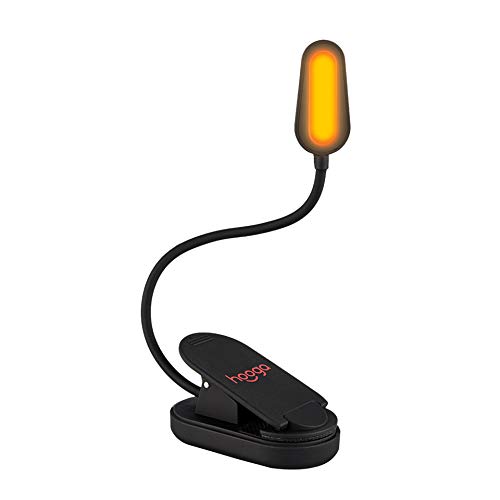
Knitting late at night can disrupt your circadian rhythm, especially if you’re using harsh blue-spectrum lights. The Hooga uses amber light, which is much easier on the eyes and helps you transition into a restful sleep once you finally put your needles down.
The amber glow is surprisingly effective for fiber arts. It doesn’t distort the color of your yarn as much as you might think, making it a safe choice for working on projects where color accuracy is somewhat important.
This is the ultimate light for the "just one more row" knitter. It allows you to keep crafting without that jittery, wide-awake feeling that often accompanies bright, white LED lights.
How to Choose the Right Neck Light for Knitting
When selecting a light, consider your primary project type. If you are a lace knitter, you need a high-lumen, cool-white light to see tiny yarn-overs and decreases. If you are a comfort knitter, prioritize weight and flexibility so the light doesn’t distract you from the meditative rhythm of your stitches.
- Weight: Anything over 4 ounces will start to feel heavy after two hours.
- Beam Angle: Look for adjustable heads so you can point the light exactly at your needle tips.
- Color Temperature: Blue-white is best for stitch definition; amber is best for eye comfort.
- Battery Type: Rechargeable lithium-ion batteries are standard now and far more economical than replacing AA batteries.
Always check the adjustability of the arms. A light that stays in the shape you bend it into is infinitely better than one that slowly drifts toward your chest as you work.
Why Neck Lights Beat Headlamps for Fiber Arts
Headlamps are designed for hikers and campers, not for knitters. They cast light from your forehead, which creates awkward shadows if you look down at your lap, and they often cause tension headaches after an hour of use.
Neck lights, by contrast, sit at the same level as your hands. This creates a direct, shadow-free illumination path that follows your needles as they move. You aren’t constantly tilting your head to keep the light on your work, which saves your neck muscles from unnecessary strain.
Furthermore, headlamps often have a single, intense beam that can be blindingly bright at close range. Neck lights offer a softer, wider flood of light that is much more forgiving when you are staring at your work for hours on end.
Essential Tips for Knitting in Low Light Settings
Beyond just having a good light, your setup matters. Try to sit in a chair that provides good back support so your posture remains consistent, which helps keep your knitting in the "sweet spot" of your light’s beam.
If you are working with dark yarn, place a light-colored towel or a white pillowcase on your lap. This creates a high-contrast background that makes it significantly easier to see your needles and the stitches you are currently working.
Finally, remember to take breaks. Even with the best lighting, your eyes need a rest every thirty minutes to avoid fatigue. Stand up, stretch your shoulders, and look at something across the room to reset your focus.
Investing in a quality neck light is one of the smartest upgrades you can make for your knitting practice. It transforms dark, frustrating sessions into productive, relaxing time spent with your favorite fibers. Choose the model that best fits your specific project needs and lighting preferences to keep your stitches sharp and your eyes happy. Happy knitting, and may your tension always be even!