6 Best Rustproof T-Pins For Lace Blocking To Use
Discover the 6 best rustproof T-pins for lace blocking. Learn how these essential, durable tools ensure your delicate projects dry perfectly every time.
Blocking is the final, transformative step that turns a crumpled, uneven piece of knitting into a professional-grade heirloom. Choosing the right T-pins is critical, as a single rusted pin can permanently stain your delicate lace work. These tools are the unsung heroes of your project, ensuring your hard-earned stitches lay perfectly flat. Here are the best rustproof options to protect your fiber investment.
Clover T-Pins: The Gold Standard for Lace Blocking


Clover T-pins are widely considered the benchmark in the knitting community for good reason. They feature a smooth, burr-free finish that glides through delicate lace without snagging or splitting the yarn plies.
The nickel-plated steel construction offers a high degree of rust resistance, which is vital when you are pinning a damp shawl to a blocking mat for several days. Because they are consistently manufactured, you won’t find yourself sorting through a pack to remove bent or malformed pins.
If you are working with expensive hand-dyed silk or alpaca, the peace of mind provided by these pins is worth the slight premium. They are the reliable workhorse you want in your knitting bag for every project.
Knitter’s Pride Stainless Steel T-Pins for Blocking
Knitter’s Pride understands that blocking is often a long-term commitment for complex lace projects. Their stainless steel T-pins are specifically engineered to resist oxidation even when pinned into a wet, saturated project for an extended period.
These pins are slightly thicker than standard office-grade T-pins, which provides better holding power in foam blocking mats. When you are stretching a large, heavy wool shawl, you need that extra structural integrity to prevent the pins from popping out under tension.
While they are robust, they remain gentle enough for most lace weights. They represent a professional-grade tool that bridges the gap between casual hobbyist supplies and studio-level equipment.
Dritz Extra-Long Rustproof T-Pins for Heavy Projects
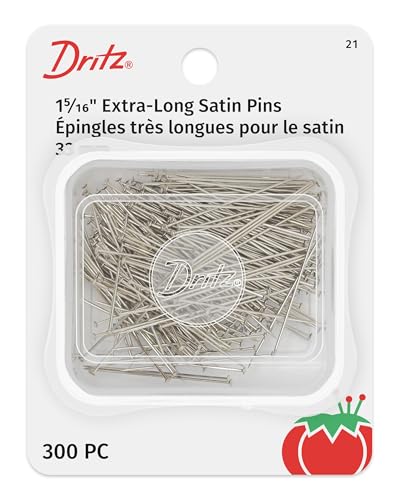
Sometimes, standard T-pins are simply too short to secure a thick, multi-layered, or heavily textured piece of lace. Dritz offers extra-long options that provide the necessary depth to anchor your work securely into your blocking surface.
If you are blocking a dense project or using thick foam mats, these longer pins offer superior leverage. They are particularly useful when you need to pin through several layers of a folded edge or a complex picot bind-off.
Because they are made of high-quality rustproof steel, you don’t have to worry about the extra length leading to corrosion issues. They are an essential specialized tool for the knitter who frequently tackles complex, heavy lace shawls.
Susan Bates Rustproof T-Pins for Gentle Blocking
Susan Bates has been a staple in the craft world for decades, and their T-pins are designed with the classic knitter in mind. They offer a reliable, no-nonsense rustproof coating that holds up well under standard blocking conditions.
These pins are often preferred by knitters who enjoy a more traditional, lightweight feel in their tools. They are easy to manipulate with your fingers, even if you have limited dexterity, thanks to the well-formed "T" head that provides a comfortable grip.
While they may not be as heavy-duty as some stainless steel alternatives, they are perfect for everyday lace projects. They are a dependable, affordable choice for the knitter who wants consistent quality without overthinking the purchase.
Singer Stainless Steel T-Pins for Delicate Fibers

Singer brings their sewing-industry expertise to the world of lace blocking with these stainless steel pins. Because they are designed for high-end garment construction, they are exceptionally sharp, making them ideal for piercing through fine lace without distorting the stitch pattern.
Sharpness is a critical factor; a dull pin can force its way between fibers, potentially snapping a strand of delicate mohair or high-twist merino. Singer pins minimize this risk by sliding cleanly through the fabric.
If you are working with extremely fine lace weight yarns, these pins are a top-tier choice. They protect the integrity of your yarn while providing the necessary hold to define your lace motifs clearly.
Darice Rust-Resistant T-Pins for Budget Knitters
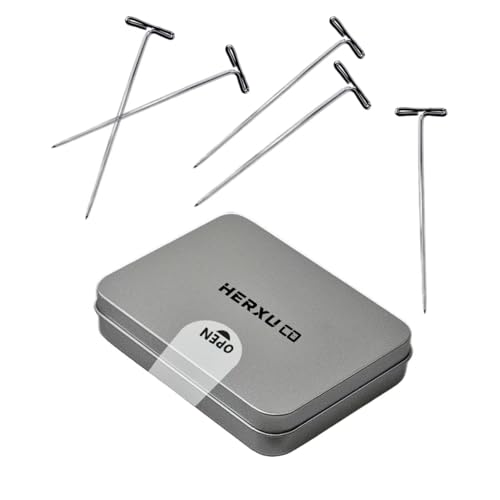
If you are just starting your lace journey, you don’t necessarily need to invest in the most expensive professional equipment. Darice provides a solid, rust-resistant option that performs well for most standard blocking needs.
These pins are widely available and offer a great entry point for knitters building their first blocking kit. While they may not have the same longevity as high-end stainless steel, they are perfectly adequate for cotton or acrylic lace projects that don’t require weeks of pinning.
The key is to ensure you dry them thoroughly after each use. Even rust-resistant pins can develop spots if left damp in a humid environment for too long.
Why Rustproof Pins are Essential for Lace Projects
The most heartbreaking moment for a knitter is removing pins from a finished shawl, only to find small, orange rust spots staining the fiber. This happens because moisture from your blocking process reacts with low-quality metal, causing immediate corrosion.
Lace blocking requires the project to remain damp for hours or even days as it dries into its final shape. During this time, the metal pin is in constant, intimate contact with the wet yarn.
Using non-rustproof pins is a gamble that simply isn’t worth the risk. Investing in high-quality stainless steel or nickel-plated pins ensures your hard work remains pristine from the moment you cast off to the day you wear it.
How to Properly Block Lace Without Damaging Fibers
Blocking is not just about stretching; it is about respecting the fiber’s natural properties. Always use cool to lukewarm water to soak your project, as extreme heat can shock and felt certain wools.
When pinning, start from the center and work your way out to the edges to ensure an even distribution of tension. Avoid pulling the lace so hard that the yarn looks strained; you want to open up the stitch pattern, not distort the fabric.
Remember that different fibers behave differently. While cotton needs a firm, aggressive stretch to show its stitch definition, delicate mohair requires a softer touch to maintain its airy, haloed texture.
Comparing T-Pins vs. Blocking Combs for Your Lace
T-pins are the ultimate tool for precision and flexibility, allowing you to manipulate every single point of a lace edge individually. They are ideal for complex shapes, scalloped edges, and irregular borders.
Blocking combs, on the other hand, feature multiple pins attached to a single plastic bar, making them excellent for straight edges and large, repetitive lace patterns. They save time but lack the granular control required for intricate work.
Most advanced knitters keep both in their arsenal. Use the combs for the long, straight sides of a shawl and switch to individual T-pins for the tricky, delicate corners and points.
Essential Tips for Storing Your Blocking Notions
Treat your blocking pins like the precision instruments they are. Never store them damp; always lay them out on a towel to air-dry completely before tucking them away in their container.
If you notice a pin has become bent or the tip has dulled, discard it immediately. A damaged pin can catch on your yarn and cause a run or a snag that is nearly impossible to fix in a finished lace project.
Keep your pins in a dedicated, moisture-proof case or a small tin. A little bit of organization goes a long way in preventing lost pins and ensuring you have exactly what you need when the next blocking session arrives.
Investing in high-quality, rustproof T-pins is an essential step in protecting your intricate lace projects. By choosing the right material and maintaining your tools properly, you ensure that your hard work remains beautiful for years to come. Remember that your blocking kit is a long-term investment in your craft, so choose wisely and store carefully. Happy knitting, and may your points always be perfectly blocked.