6 Best Bag Stiffeners For Felted Projects Worth Using
Discover the top 6 bag stiffeners for felted projects. Learn which materials provide the best structure and durability for your unique handmade accessories.
Felted bags are a labor of love, requiring hours of careful knitting and the physical exertion of the felting process to achieve that dense, cozy fabric. However, even the thickest felt can lose its crisp silhouette once you start filling it with keys, phones, and heavy notions. Adding a structural stiffener is the secret to transforming a slouchy pouch into a professional-looking accessory. This guide explores the best reinforcements to ensure your hard work maintains its intended shape for years to come.
Darice Stiff Felt Sheets: Best Overall Choice


If you want a stiffener that behaves like an extension of your felted fabric, Darice Stiff Felt Sheets are the gold standard. They provide a rigid, board-like structure that is still forgiving enough to be cut with standard sewing shears.
Because these sheets are made of synthetic fibers, they don’t add the bulk that foam or batting might. They are perfect for creating sharp, defined corners in tote bags or bucket-style purses.
The bottom line is simple: use these when you want a bag that stands up on its own without looking like it has been padded. They are the most reliable way to achieve a clean, architectural finish.
Pellon 71F Peltex Ultra Firm Fusible Interfacing

Peltex 71F is a heavy-duty, ultra-firm stabilizer that is designed for projects requiring maximum support. When you apply this to the interior of a felted bag, it essentially creates a "skeleton" that prevents the fabric from sagging under weight.
Because it is fusible, you can iron it directly onto the wrong side of your felted piece. However, be cautious with your heat settings, as extreme heat can sometimes shrink or distort felted wool if you aren’t careful.
This is the best choice for bag bottoms or side panels that need to remain perfectly flat. It is stiff, unforgiving, and exactly what you need for a high-end, structured look.
Bosal In-R-Form Single Sided Fusible Foam

Bosal In-R-Form offers a unique advantage because it combines structure with a soft, padded touch. If you are knitting a bag that you want to feel slightly luxurious and cushioned, this is your go-to product.
The foam provides a gentle, rounded structure rather than a sharp, boxy one. It is incredibly easy to work with because it is forgiving; if you make a slight error in placement, the foam is easier to adjust than rigid plastic-like sheets.
Consider this for bags that will carry delicate items like tablets or glasses. It protects the contents while giving the bag a soft, high-quality "hand" that feels substantial to the touch.
Annie’s Soft and Stable Bag Reinforcement
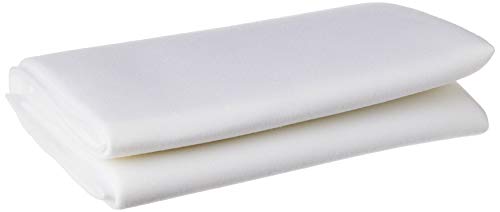
Annie’s Soft and Stable is a favorite among bag makers because it holds its shape beautifully while remaining lightweight. Unlike traditional interfacing, it is a foam-based product that doesn’t crease or crush easily.
If you have ever had a felted bag that looks great until it’s folded in a suitcase, you know why this matters. Soft and Stable bounces back to its original form, ensuring your bag looks as good after a trip as it did when you finished blocking it.
The trade-off is that it adds a bit more thickness than traditional fusible interfacing. Ensure your seam allowances are wide enough to accommodate the extra volume, or your bag may become difficult to turn right-side out.
Timtex Heavyweight Sew-In Craft Interfacing

Sometimes, you don’t want to risk the heat of an iron on your beautiful, hand-felted wool. Timtex is a sew-in heavyweight stabilizer that offers incredible rigidity without requiring any adhesive.
Because it is a sew-in product, you have to be precise with your basting stitches to keep it in place. It is a more labor-intensive process, but it is much safer for delicate or hand-dyed fibers that might react poorly to fusible glues.
This is the choice for the purist who wants to avoid chemicals and heat. It creates a very firm, permanent structure that will stand the test of time and heavy daily use.
Pellon 72F Peltex II Two-Sided Fusible Stabilizer

Pellon 72F is essentially the double-sided version of the 71F, allowing you to bond both your lining fabric and your felted exterior to the stabilizer simultaneously. This creates a triple-layered sandwich that is virtually indestructible.
This is the best option if you are planning to line your bag with a silk or cotton fabric. It locks everything into a single, cohesive unit, preventing the lining from shifting or sagging inside the bag.
Be aware that using double-sided fusible requires a bit of practice. You need to ensure everything is perfectly aligned before the final press, as once it is fused, it is very difficult to reposition.
How to Properly Attach Stiffeners to Felt
Attaching a stiffener to felted wool requires a different approach than working with woven cotton. Felt has a nap and a texture that can make adhesives struggle to bond, so always test a small swatch first.
If you are using a fusible product, use a pressing cloth between your iron and the felt. This prevents the felt from becoming "shiny" or scorched during the application process.
For sew-in options, use a long running stitch to tack the stiffener to the seam allowances. This keeps the stiffener anchored without creating visible stitching lines on the exterior of your bag.
Choosing Between Fusible and Sew-In Options
The choice between fusible and sew-in comes down to your patience and the nature of your yarn. Fusible options are faster and provide a smoother, more integrated look, but they rely on heat and adhesive.
Sew-in options are safer for the integrity of your wool, as they don’t alter the fiber with heat or glue. However, they require more sewing skill to ensure the stiffener doesn’t bunch up inside the bag.
If you are a beginner, start with a fusible product on a small project. If you are working with expensive, hand-dyed, or delicate wool, stick to sew-in stabilizers to preserve the fiber’s natural beauty.
Why Felted Bags Require Structural Support
Felt is a wonderful, dense fabric, but it is essentially a collection of tangled fibers. Unlike woven fabric, it lacks the tensile strength to hold a rigid shape over long periods of use.
Without a stiffener, a felted bag will eventually stretch out at the base and lose its crisp lines. This is especially true if you tend to overload your bags with heavy items like water bottles or knitting projects.
Adding support isn’t about hiding the felt; it is about honoring the work you put into it. A structured bag shows off the texture of your stitches and the quality of your felting far better than a sagging one.
Tips for Maintaining Shape in Felted Projects
Once your bag is stiffened, the way you store it matters. Never hang a felted bag by its handles for long periods, as the weight will cause the bottom to sag and the handles to stretch.
Instead, stuff the interior with acid-free tissue paper when it is not in use. This maintains the bag’s volume and prevents the stiffeners from developing permanent creases.
Finally, if the bag gets wet, let it air dry completely before using it again. Moisture can soften even the best stiffeners, and using the bag while damp will cause it to lose its shape permanently.
Choosing the right stiffener is the final, crucial step in completing a professional-grade felted bag. Whether you prioritize the ease of a fusible sheet or the safety of a sew-in stabilizer, the added structure will ensure your knitting is showcased at its absolute best. Take the time to test your chosen material with a swatch, and you will be rewarded with a functional, beautiful accessory that stands the test of time.