6 Best Labels For Custom Knitwear To Elevate Designs
Discover the six best custom knitwear labels to elevate your designs. Learn which materials and finishes best enhance brand identity and garment longevity.
After spending two decades at the loom and needles, I’ve learned that a finished garment is only as professional as its final details. A custom label acts as the signature on your masterpiece, transforming a handmade item into a polished, boutique-quality piece. Choosing the right tag requires balancing the drape of your yarn with the physical weight of the label itself. Here are the best options to help you elevate your knitwear from a hobbyist project to a professional standard.
Dutch Label Shop Woven Labels: Best Overall Pick


Woven labels are the gold standard for a reason. They offer a crisp, high-definition look that holds up against the friction of daily wear and repeated washing.
Because they are made from high-density polyester thread, they don’t fray or fade like printed fabric tags. They are perfect for sweaters or cardigans where you want a clean, professional finish that sits flat against the back of the neck.
If you are a prolific knitter, these are your best workhorse labels. They balance durability with a professional aesthetic that doesn’t distract from the stitch pattern.
Wunderlabel Personalized Tags: Best for Branding

If you are looking to turn your knitting hobby into a small business, branding is everything. Wunderlabel offers a massive range of customization options that allow you to include your logo, social handle, or specific care instructions.
These labels are particularly useful for items that will be gifted or sold, as they provide a clear point of contact for the recipient. The ability to choose between fold-over or flat styles makes them versatile for different garment constructions.
Just keep in mind that with more information comes more surface area. Ensure your label isn’t so large that it creates a stiff "patch" on the back of a delicate lace shawl.
Name Maker Cotton Twill Labels: Best for Softness

When knitting for babies or those with sensitive skin, texture is the primary concern. Cotton twill labels are soft, breathable, and lack the slight rigidity of synthetic woven labels.
These labels feel like a natural extension of the fiber, especially if you are working with organic cotton or soft merino wool. They won’t scratch or irritate the skin, making them the go-to for hats, baby blankets, and scarves.
The trade-off is that cotton can eventually show signs of wear or fraying faster than polyester. They are best suited for garments that don’t require heavy-duty, industrial-strength laundering.
EverEmblem Custom Leather Tags: Best for Luxury

Leather tags add an immediate sense of weight and premium quality to chunky knits. They look stunning on thick, cabled hats or rustic, heavy-gauge sweaters.
Because leather is stiff, it provides a structural anchor point for the garment. I love using these on the hem of a beanie or the cuff of a sweater, where they can act as a decorative accent rather than just a branding tool.
Be aware that leather reacts differently to water than yarn. If you are knitting a superwash wool item that will be tossed in the machine, make sure your leather tag is removable or specifically treated for moisture.
HiyaHiya Metal Tags: Best for Durability and Style
Metal tags offer a sleek, industrial edge that works beautifully with modern, minimalist designs. They are virtually indestructible and provide a high-contrast look against soft, fuzzy mohair or alpaca.
These are excellent for projects that see a lot of heavy use, like mittens or winter accessories. They won’t lose their shape, and they maintain their finish long after the yarn has started to pill.
The main consideration here is weight. You don’t want a heavy metal tag pulling at a delicate, lightweight fabric, as it can cause the stitches to distort over time.
Etsy Custom Wood Buttons: Best for Unique Finishes

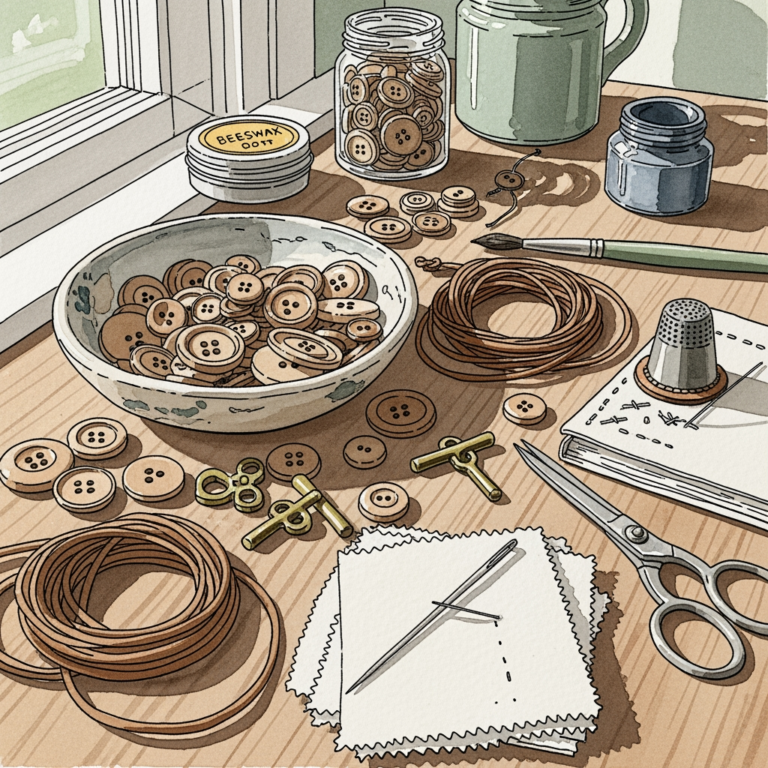
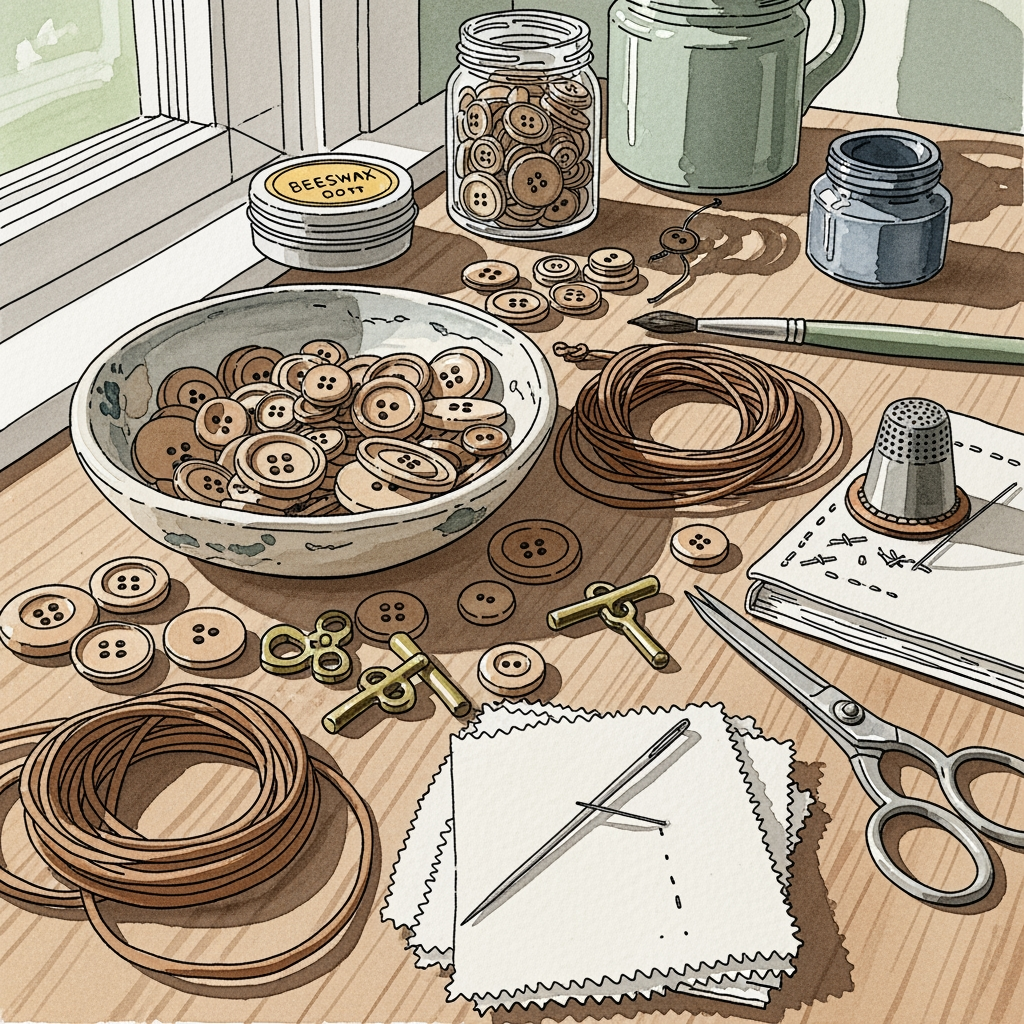
Sometimes, the best label isn’t a fabric tag at all, but a functional element like a button. Custom wood buttons can be engraved with your logo or initials, serving as both a closure and a signature.
This approach is perfect for cardigans, cowls, or shawls where you already have a fastening mechanism. It integrates your branding directly into the utility of the piece.
Wood adds an earthy, organic aesthetic that pairs perfectly with wool, linen, or bamboo fibers. Just ensure the wood is sealed properly so it doesn’t absorb moisture or stain your yarn during the blocking process.
How to Choose the Right Label Material for Knits
The weight of your label should never exceed the weight of your yarn. If you are knitting a fine-gauge silk or fingering-weight wool, a heavy leather tag will cause the fabric to sag and pull.
Consider the "hand" of the final garment. If you’ve spent hours achieving a perfect drape in a lace shawl, don’t ruin it by sewing on a stiff, thick label that creates a rigid, uncomfortable lump.
- For delicate items: Choose soft cotton or thin woven labels.
- For heavy-duty items: Choose durable woven polyester or leather.
- For textured items: Choose metal or wood to stand out against the stitch work.
Essential Tips for Sewing Labels onto Knitwear
Always use a sewing thread that matches the color of your yarn, not the color of the label. This hides your anchor stitches and makes the label look like it was part of the garment’s construction from the start.
Use a whip stitch or a ladder stitch to attach your labels. These stitches are flexible and will move with the fabric, preventing the label from pulling or tearing the yarn when the garment stretches.
If you are attaching a label to a stretchy ribbing, sew it onto a non-stretchy section of the garment instead. If you sew it directly onto the ribbing, the label will pucker every time the garment is put on.
Protecting Your Labels During Machine Washing
If you use machine-washable yarn, you must ensure your labels are machine-washable as well. Always check the manufacturer’s care instructions for the label material before attaching it to a garment.
For leather or wood labels, consider using a sewing method that allows for easy removal. You can use small jump rings or sew them on with a contrasting thread that can be easily snipped before the garment goes into the wash.
If you must wash a garment with a permanent label, turn the item inside out. This minimizes the friction between the label and the agitator or other clothes in the drum.
Why Custom Labels Add Value to Handmade Items
A label is a signal of intention; it tells the world that you are proud of the work you’ve put into your craft. It turns a "homemade" item into a "handmade" piece, shifting the perception from a casual hobby to a deliberate art form.
Beyond the aesthetics, labels provide a lasting memory. Years from now, when someone picks up a sweater you knitted, they will see your name and remember the care you put into every stitch.
Ultimately, a label is the final step in your creative process. It is the bridge between the hours of quiet, meditative knitting and the joy of sharing that work with others.
Investing in the right labels is a small detail that pays massive dividends in the longevity and professionalism of your work. Whether you choose the soft touch of cotton or the luxury of leather, your signature is the final flourish that tells your story. Take your time to match the tag to the project, and wear your handmade creations with pride. Happy knitting!