7 Best Project Journals For Pattern Logging To Use
Keep your craft organized with our top 7 project journals. Discover the best tools for detailed pattern logging, tracking progress, and perfecting your skills.
Every knitter knows the heartbreak of finding a beautiful skein of yarn in their stash without a label, or forgetting which needle size was used for a sweater finished three years ago. Keeping a project journal is the difference between a chaotic hobby and a curated craft that grows with your skill set. Whether you are tracking complex lace charts or simple garter stitch scarves, the right logbook turns your knitting history into a reliable reference library. Here are seven of the best journals to help you document your fiber journey with precision and ease.
The Knit Notes Journal: Best for Pattern Logging
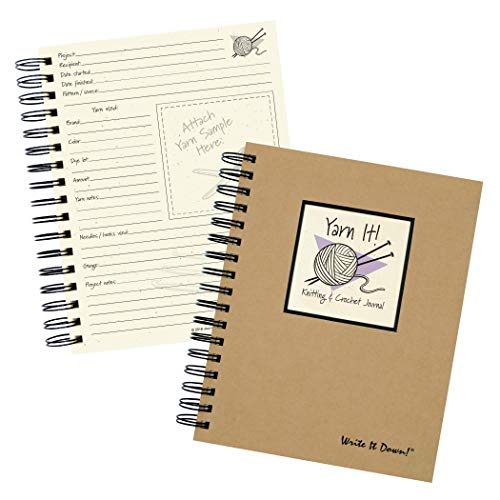

The Knit Notes Journal excels because it treats the knitting process as a technical document rather than just a diary. It provides dedicated space for recording gauge swatches, which is the most critical step in ensuring your final garment actually fits.
When you are working with hand-dyed wool that may vary in ply or twist, having a place to note your specific tension is vital. This journal encourages you to document not just the needle size, but the actual stitch and row count per inch.
The layout is clean and logical, avoiding the clutter that often plagues generic notebooks. It is a fantastic tool for those who want to build a professional-grade archive of their work.
Cocoknits Project Planner: Best for Organization

The Cocoknits Project Planner is a modular system that reflects the way a serious maker thinks. It uses a binder format, allowing you to move pages around as your project evolves from a swatch to a finished garment.
This is particularly helpful if you are a "multi-project" knitter who keeps several WIPs (works in progress) on the needles simultaneously. You can easily tuck in pattern printouts, yarn labels, and even swatches using their specialized plastic pouches.
While it is bulkier than a standard notebook, the trade-off is unparalleled control over your project data. If you are prone to losing your place in a complex cable chart, this system keeps everything tethered in one secure location.
The Knitter’s Planner: Best for Daily Tracking

The Knitter’s Planner is designed for the knitter who views their craft as a daily practice. It functions much like a traditional day planner, but with specialized sections for tracking project deadlines and yarn inventory.
This is ideal for those participating in year-long challenges, like "knitting a sweater a month" or managing a large queue of gift knitting. It helps you pace your progress so you aren’t rushing to finish a holiday gift at 2:00 AM on Christmas Eve.
The focus here is on time management and accountability. If you find that your projects tend to linger in "time-out" for months, this planner’s structure will help you stay on track.
Fringe Supply Co. Field Notes: Best for Portability
Sometimes the best journal is the one you actually have with you at the local yarn store or on the subway. These small, slim notebooks are designed to slip into a project bag without adding significant weight.
They don’t have pre-printed fields for gauge or needle size, which makes them perfect for the knitter who prefers a blank canvas. You can sketch out lace repeats or jot down quick notes about a yarn’s feel without being confined by rigid boxes.
Because they are so affordable and portable, you might find yourself keeping one for every major project. They are the ultimate "grab and go" solution for the knitter on the move.
Moleskine Pro Project Planner: Best for Customizing

The Moleskine Pro is a sophisticated choice for knitters who want to bridge the gap between professional productivity and creative expression. Its structured pages provide a framework for projects, but the high-quality paper invites detailed sketching and complex note-taking.
If you enjoy designing your own patterns or modifying existing ones, the extra space allows for detailed schematics. You can easily map out increases and decreases for custom shaping without running out of room.
The aesthetic is professional and understated, making it a great choice for keeping on your desk. It is a durable, long-term companion for those who take pride in the architectural side of knitting.
Maker’s Keep Project Journal: Best for Beginners

When you are just starting out, the sheer amount of information—fiber content, needle material, yarn weight—can be overwhelming. The Maker’s Keep journal simplifies this by providing clear, guided prompts that teach you what to track.
It acts as a mentor, reminding you to record the "why" behind your choices. For example, it might prompt you to note if a yarn felt itchy or if a specific needle material made your hands cramp during long sessions.
This helps beginners build good habits early on. By documenting these small details, you learn more about your personal preferences, which saves you money on future yarn purchases.
Quince & Co. Knitting Log: Best for Minimalists
The Quince & Co. Knitting Log is refined, elegant, and avoids unnecessary fluff. It focuses on the essentials: pattern name, yarn used, needle size, and start/finish dates.
This is the perfect tool for the knitter who wants to keep a record but doesn’t want to spend twenty minutes filling out a form for every row. It is designed to be a quick, functional reference for your stash and your projects.
If you are someone who finds detailed tracking tedious, this log will keep you honest without feeling like a chore. It is a beautiful, understated way to look back at your finished objects over the years.
Why Every Knitter Should Keep a Project Journal
A project journal transforms your knitting from a series of isolated events into a coherent body of work. When you document your process, you stop guessing why a sweater fit perfectly or why a shawl ended up too small.
- Pattern Modification: You’ll remember exactly where you added those extra rows for length.
- Yarn Knowledge: You’ll know which brands pill, which hold their shape, and which are best for lace.
- Skill Growth: You can look back at your first wobbly stitches and see how far your tension control has come.
Ultimately, your journal becomes a map of your creative evolution. It is a record of your time, your focus, and your unique style as a maker.
Essential Details to Include in Your Pattern Logs
To make your logs truly useful, you need to look beyond the basic pattern requirements. Start by recording the dye lot number of your yarn, as even the same colorway can look different across batches.
Include a small sample of the yarn if possible, or at least a note about its fiber content—is it a superwash wool that grew after blocking, or a crisp linen that softened with time? These details are invaluable when you want to replicate a successful project.
Also, track the needle material used. Knitting with slick nickel needles produces a different gauge than working with grippy bamboo, and documenting this helps you adjust your technique for future projects.
How to Choose the Right Journal for Your Needs
Choosing the right journal starts with an honest assessment of your knitting habits. If you are a social knitter who spends more time at knitting groups, a portable, durable option is best.
If you are a designer or a technical knitter who loves to experiment, choose a journal with plenty of grid paper for schematics. Don’t worry about picking the "perfect" one; the best journal is simply the one you find yourself reaching for consistently.
Consider your own personality: do you love structure and prompts, or do you prefer a blank page where you can doodle? Match your journal to your creative process, and you’ll find that logging your patterns becomes a highlight of your knitting routine.
Keeping a project journal is one of the most rewarding investments a knitter can make in their craft. It provides a permanent home for your creative choices, mistakes, and triumphs, ensuring that your hard work is never forgotten. Start small, stay consistent, and let your journal become the most trusted tool in your knitting bag. Happy knitting, and may every project be worth documenting!