6 Best Fabric Brushes For Garment Care To Use
Keep your wardrobe pristine with our top six fabric brush picks. Learn how these essential tools remove lint, restore nap, and extend your garment’s lifespan.
Investing time into a hand-knit garment means you should be equally committed to its long-term preservation. A quality fabric brush is the unsung hero that keeps your sweaters looking fresh long after they leave the blocking mats. These six tools represent the gold standard for maintaining the structural integrity and aesthetic appeal of your fiber projects. By selecting the right implement, you prevent unnecessary wear and ensure your hard work stays heirloom-quality for years.
The Laundress Fabric Brush: Best Overall Choice


This tool is a staple for those who treat their knitwear like fine art. Its combination of firm, natural bristles allows it to lift dust and debris from deep within the stitch pattern without snagging delicate yarn plies.
I often recommend this for everyday maintenance of wool and cashmere pieces. It strikes the perfect balance between rigidity and gentleness, making it a reliable companion for your favorite winter sweaters.
The bottom line: If you only buy one tool for your closet, make it this one. It handles everything from heavy-duty fisherman’s wool to lighter merino blends with ease.
Philips Fabric Shaver: Best for Removing Pilling
Pilling is the natural byproduct of friction, especially under the arms or at the cuffs of a sweater. While some knitters fear mechanical shavers, this model is designed with a precise guard to prevent it from "biting" into your stitches.
When using this on a hand-knit garment, always work on a flat, hard surface. Use light, circular motions rather than pressing down hard, which helps preserve the loft of your yarn.
Be mindful that this is for surface maintenance only. Avoid using it on mohair or brushed fibers, as it will strip away the intentional halo that makes those yarns so beautiful.
Kent Clothes Brush: Best for Natural Fiber Care

Kent brushes are legendary for a reason, utilizing high-quality boar bristles that are naturally anti-static. When you are working with premium fibers like alpaca or high-twist merino, you want a brush that respects the cuticle of the fiber.
These brushes are particularly effective at smoothing the fibers after a long day of wear. They help realign the yarn strands, which can actually make a garment look freshly blocked even weeks after you’ve worn it.
While they are an investment, they last for decades if cared for properly. They are the ultimate choice for the knitter who prioritizes longevity over convenience.
Gleener Ultimate Fuzz Remover: Most Versatile Tool
The Gleener is unique because it features three different edges, each designed for a specific weight of fabric. This is a game-changer for a knitter who works with everything from lace-weight silk to bulky, rustic wool.
I find this most useful for sweaters that have developed different types of pills in different areas. You can switch between the edges to ensure you aren’t being too aggressive on sensitive areas while still tackling stubborn fuzz on high-friction zones.
It is a manual tool, which gives you complete control over the pressure. For those who are nervous about using electric shavers on their hand-knit sweaters, this is the safest, most effective alternative.
Redecker Clothes Brush: Best for Delicate Knits
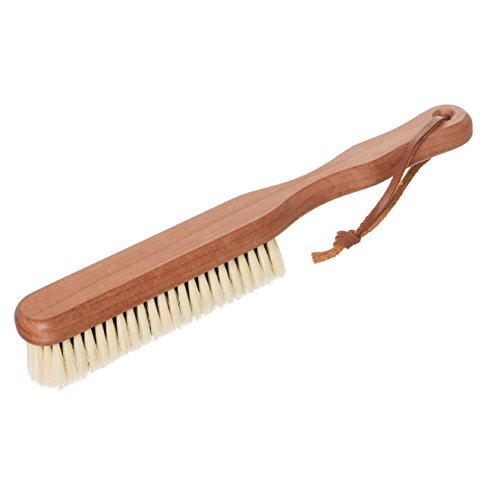
When you are dealing with hand-dyed yarns or delicate fibers like silk, angora, or cashmere, soft bristles are non-negotiable. The Redecker brush uses softer, more forgiving bristles that gently lift surface dust without disturbing the stitch definition.
This brush is ideal for the final finishing touch after you’ve finished wearing a garment for the season. It clears away the environmental debris that can attract moths, keeping your knits safe in storage.
Use it with a light flicking motion rather than a heavy scrubbing motion. This preserves the "bloom" of the yarn, which is the soft, fuzzy appearance that develops after a garment has been washed and worn.
Scotch-Brite Lint Roller: Best for Quick Cleanup

Sometimes, the simplest solution is the best one, especially when you are running out the door. A sticky lint roller is the fastest way to remove pet hair or stray fibers from your knitwear.
However, use these sparingly on delicate or high-halo yarns like mohair. The adhesive can occasionally pull at the fibers, causing them to mat or clump together if you aren’t careful.
Keep a roller in your bag for emergencies, but don’t rely on it for deep-cleaning your knits. It’s an accessory tool, not a replacement for a proper fiber brush.
Why Fabric Brushes Are Essential for Your Knits
Knits are essentially tiny, looped structures that act like magnets for dust, lint, and environmental pollutants. If left unbrushed, these particles can act like sandpaper, wearing down the fibers from the inside out.
Regular brushing prevents the accumulation of these particles, which in turn reduces the need for frequent washing. Since washing is the most stressful thing you can do to a fiber, brushing is actually a form of preventative care.
It also keeps your stitch patterns looking crisp. Whether you’ve spent hours on complex cables or intricate lace, brushing helps the stitches sit correctly, showing off your hard work to its best advantage.
Understanding Fiber Types and Brush Compatibility
Not all yarns respond to brushing in the same way, and knowing your fiber is key. Superwash wool, for instance, is treated to resist felting and can handle a firmer brush.
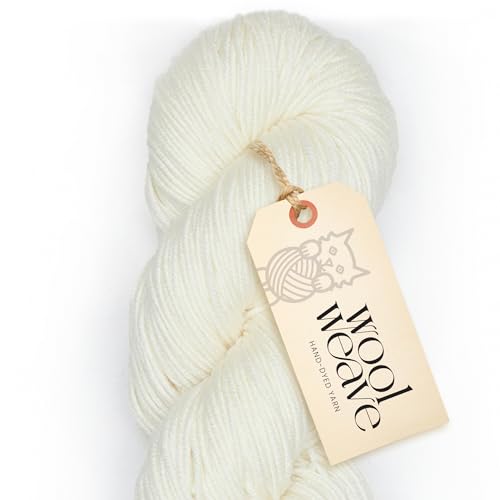
Conversely, rustic, non-superwash wools have a natural "grab" that can be easily disturbed. If you are brushing a high-twist yarn, you need a different approach than you would for a loosely spun, single-ply yarn.
- Smooth/High-Twist Yarns: Can handle firmer bristles; benefit from regular brushing to maintain sheen.
- Brushed/Mohair Yarns: Require very soft brushes; use a light touch to avoid matting the halo.
- Delicate/Luxury Fibers: Always use the softest tool available to prevent fiber breakage.
How to Properly Brush Your Hand-Knitted Garments
Always lay your garment flat on a clean, solid surface before you begin. Never brush a garment while wearing it, as you cannot control the pressure or the angle of the bristles effectively.
Work in one direction, following the "grain" of the stitches. For stockinette, this means brushing from the top of the garment down to the hem.
If you encounter a snag, stop immediately. Use a dull needle or a crochet hook to gently work the snag back into the fabric from the reverse side before continuing your brushing.
Maintenance Tips to Keep Your Brushes Lasting Long
Your brush is a tool, and it requires its own care routine to remain effective. After every use, run a clean comb through the bristles to remove the lint and fuzz you’ve collected from your garments.
If you use a wooden-handled brush, keep it away from direct heat and moisture. Wood can warp or crack if left in a humid environment, which will eventually compromise the bristle setting.
Store your brushes in a cool, dry place, ideally standing up or lying flat in a drawer. If the bristles become flattened over time, you can often "revive" them by gently steaming them or using a hair dryer on a cool setting to help them regain their shape.
Maintaining your hand-knitted wardrobe is a practice in patience and respect for the materials you’ve chosen. By integrating these brushes into your care routine, you are protecting your time and the beautiful fibers you’ve worked so hard to craft. Start with a reliable, all-purpose brush and expand your kit as your collection of hand-knits grows. With the right tools and a gentle touch, your favorite sweaters will remain a joy to wear for many years to come.