6 Best Luxury Storage Chests For Heirloom Supply Collections
Protect your legacy with our top six luxury storage chests. These premium picks offer the perfect blend of archival preservation and sophisticated design.
Building a serious yarn collection is a lifelong endeavor that eventually demands more than plastic bins or cardboard boxes. When you invest hundreds of hours into sourcing hand-dyed wool or rare breed fleeces, your storage needs to match that level of quality. The right chest isn’t just furniture; it’s a climate-controlled sanctuary for your most precious fiber assets. Here are six exquisite options for protecting your stash for the decades to come.
Amish-Made Cherry Wood Heirloom Yarn Chest
There is an inherent stability in Amish-made furniture that feels perfectly suited for storing delicate fibers. Cherry wood, in particular, is prized for its tight grain and ability to age gracefully, developing a rich, deep patina over the years.
When you store high-twist merino or delicate cashmere, you want a vessel that doesn’t off-gas harmful chemicals. These chests are typically finished with natural oils rather than heavy lacquers, ensuring your yarn stays free from synthetic residues.
Consider this an investment in the longevity of your stash. If you are collecting rare, limited-run skeins, the solid construction provides a consistent, dark environment that prevents light-fading.
The Shackleton Cedar Wool Storage Trunk
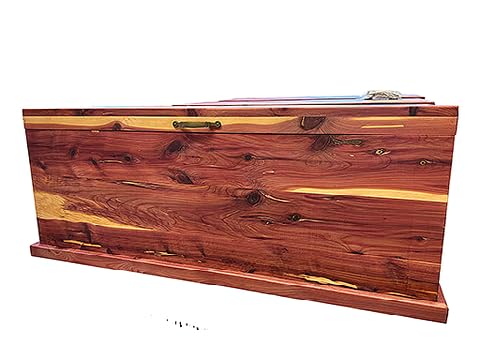

Cedar is the gold standard for long-term fiber storage, and for good reason. The natural aromatic oils in the wood act as a mild, organic deterrent to the pests that find our expensive wool stash so delicious.
This trunk is designed with the serious collector in mind. It balances the rustic charm of traditional woodworking with a tight seal that keeps out dust and moisture fluctuations.
If you live in a climate with seasonal humidity swings, the natural hygroscopic properties of cedar help regulate the internal environment. It is a functional, beautiful way to keep your stash safe without resorting to chemical mothballs.
Restoration Hardware Heirloom Fabric Chest
This option leans into the aesthetic side of fiber storage, offering a refined silhouette that looks at home in a living room or studio. It is ideal for the knitter who wants their collection to be a design element rather than hidden away in a closet.
The interior is often lined with high-quality, smooth materials that prevent snagging. If you have ever had a delicate lace-weight mohair catch on a rough wooden splinter, you know why a smooth interior finish is non-negotiable.
While it is a stunning piece, be mindful of the finish. Always check that the interior is cedar-lined or treated with breathable, non-reactive materials to ensure your fiber remains in pristine condition.
Vermont Wood Studios Handcrafted Yarn Trunk
Vermont woodworkers are masters of joinery, and their trunks reflect a commitment to airtight construction. When you are storing bulky wool sweaters or large quantities of worsted-weight yarn, the structural integrity of the trunk matters immensely.
The craftsmanship here is focused on durability. These trunks are built to withstand the weight of a heavy stash without warping or sagging over time.
For the knitter who keeps a large inventory of seasonal fibers, this is an excellent choice. The sheer capacity allows you to organize your yarn by weight or fiber content, making it easier to pull exactly what you need for your next project.
Pottery Barn Artisan Cedar Knitting Chest
This chest offers a more accessible entry point into luxury storage without sacrificing the essential benefits of cedar. It is designed to fit seamlessly into modern homes while providing the protection your natural fibers require.
The design emphasizes accessibility, which is crucial for those of us who rotate our stash frequently. If you find yourself constantly digging for that one perfect skein of alpaca, the well-organized interior of this chest will be a game-changer.
Think of this as the perfect middle ground between high-end custom furniture and utilitarian storage. It protects your investment while keeping your workspace organized and clutter-free.
Dovetail Crafted Solid Walnut Fiber Trunk
Walnut is a dense, luxurious wood that offers superior protection against light and temperature fluctuations. It is a heavy-duty option for the collector who has reached the "serious stash" stage of their knitting journey.
The dovetail joinery is not just for show; it creates an incredibly strong box that resists warping over many years. This is a "buy it once" piece that will likely outlast your current stash.
Because walnut is so dense, it provides an excellent barrier against external humidity. If you are storing expensive, high-micron wools that are sensitive to environmental changes, this is the gold standard for protection.
Essential Features of Heirloom Storage Chests
When evaluating a trunk for your yarn, look past the exterior beauty. You need to verify the quality of the seals and the nature of the interior finish.
- Airtight seals: Prevents dust and silverfish from entering.
- Natural wood interiors: Cedar is best for pest deterrence.
- Smooth finishes: Prevents snagging on delicate lace-weight fibers.
- Breathability: Allows for minor air exchange to prevent mildew.
Avoid any chest treated with heavy wood stains or chemical sealants that haven’t fully cured. These can leach into your yarn, potentially causing discoloration or an unpleasant, lingering smell that is difficult to remove from natural fibers.
How to Protect Fine Fibers from Moth Damage
Moths are the arch-nemesis of every knitter, and they are particularly attracted to clean, high-quality animal fibers. Prevention is far more effective than remediation, so your storage chest must be a fortress.
Always ensure your yarn is clean before storing it; even trace amounts of human sweat or skin oils can attract pests. If you have any doubt about a skein’s history, seal it in a plastic bag in the freezer for 48 hours before placing it in your heirloom chest.
Never rely on synthetic mothballs, which leave a toxic, persistent odor. Instead, use natural cedar blocks or dried lavender sachets to keep your stash smelling fresh and protected.
Maintaining Humidity for Natural Fiber Health
Wool and alpaca are hygroscopic, meaning they absorb and release moisture from the air. If the environment is too dry, your yarn becomes brittle; too humid, and you risk mold or mildew.
An ideal storage environment stays between 45% and 55% relative humidity. If you live in an exceptionally dry region, a small, natural clay humidifier inside the trunk can prevent your fibers from losing their natural elasticity.

Conversely, if you are in a damp climate, use silica gel packets—kept away from direct contact with the yarn—to absorb excess moisture. Consistency is the goal; sudden swings in humidity are far more damaging than a steady, moderate level.
Organizing Your Stash for Long-Term Storage
The way you pack your chest is just as important as the chest itself. Avoid overstuffing, as natural fibers need a small amount of airflow to remain "alive" and healthy.
Organize by fiber content rather than color if you want to prioritize longevity. Keep your plant fibers (cotton, linen) separate from your animal fibers (wool, silk, alpaca) to prevent any potential cross-contamination of pests.
Use acid-free tissue paper to wrap particularly delicate or hand-dyed skeins. This extra layer of protection prevents dye transfer and adds a final barrier against any minor fluctuations in the wood’s interior environment.
Investing in an heirloom storage chest is a commitment to the craft and the materials that make your knitting possible. By choosing the right vessel and maintaining the proper environment, you ensure that your stash remains as vibrant and usable as the day you bought it. Take the time to select a piece that honors your collection, and you will be rewarded with years of creative potential. Happy knitting, and may your stash always be well-protected.