6 Best Hackle Pins For Fiber Blending To Try
Discover the top 6 hackle pins for fiber blending. Our guide compares durability and spacing to help you achieve consistent, professional-grade results.
Achieving a perfectly blended batt of hand-dyed wool and shimmering silk is the secret to creating one-of-a-kind yarn that elevates any knitting project. A quality hackle acts as the foundation for this process, allowing you to align fibers and remove neps before you ever touch a spinning wheel or drop spindle. Whether you are a beginner looking to experiment with color gradients or a pro blending complex luxury fibers, choosing the right tool is paramount. Here are six exceptional hackles that will transform your raw fiber preparation.
Strauch Fiber Equipment Single Row Blending Hackle
Strauch is a name synonymous with professional-grade drum carders, and their single-row hackle carries that same reputation for industrial durability. The single-row design is particularly effective for those who want to "diz" off their fiber into a top, providing a cleaner, more controlled pull.
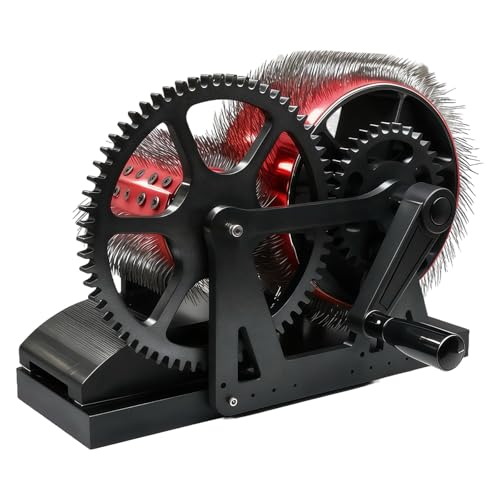

The pins are exceptionally sharp and tempered to resist bending, which is essential if you work with dense, long-staple wools like Border Leicester. Because it is a single row, you get less resistance, making it an excellent choice for beginners who are still learning how much tension to apply when pulling fiber through the tines.
However, keep in mind that a single row requires more passes to achieve the same level of blending as a multi-row tool. It is a trade-off between speed and control, but for those who value precision in their fiber alignment, this is a top-tier investment.
Ashford Wool Blending Hackle for Fiber Artists

Ashford has long been the go-to brand for accessibility and reliability in the fiber arts world. Their blending hackle is a classic, featuring a robust wooden base and high-density steel pins that handle everything from coarse Corriedale to delicate alpaca with ease.
The real strength of the Ashford design lies in its versatility; it is sturdy enough to be clamped to a table for heavy-duty work but lightweight enough to be portable. If you attend fiber retreats or guild meetings, the compact nature of this hackle makes it a favorite for communal blending sessions.
While it lacks some of the specialized ergonomic features of boutique brands, it is a workhorse that will last for decades. It is the perfect "buy once" tool for the knitter who wants to start blending their own batts without needing a complex setup.
Howard Brush Co. Hand-Crafted Blending Hackle
Howard Brush Co. brings a level of craftsmanship to fiber tools that feels almost artisanal. These hackles are known for their precision-set pins, which are spaced perfectly to ensure that you aren’t just blending, but also opening up the fiber to remove unwanted vegetable matter.
When you are working with high-end fibers like cashmere or angora, you need a tool that treats the fiber gently while still providing enough grip to align the scales. The Howard Brush hackle excels here, as the pin density is calibrated to prevent the "tearing" that often happens with cheaper, improperly spaced pins.
If you are a serious spinner who creates custom blends for intricate lace shawls, this tool provides the consistency you need. It is an investment, but the quality of the resulting yarn—smooth, lofty, and free of tangles—is well worth the price.
Majacraft Fine-Tined Fiber Blending Hackle
Majacraft is famous for their engineering-focused approach to spinning equipment, and their fine-tined hackle is no exception. This tool is designed specifically for the fiber artist who works with very fine, short-staple fibers that usually require a delicate touch.
The finer pin density allows you to create a much more intimate blend of colors, which is vital when you are trying to achieve subtle, painterly transitions in your yarn. If you enjoy spinning art yarns or complex gradients, this hackle provides the control necessary to prevent the colors from muddying.
The trade-off is that it can be harder to pull thick, coarse wools through these fine tines. Use this tool for your luxury blends and reserve your coarser hackles for raw, greasy fleeces.
Woolery Professional Grade Steel Pin Hackle
The Woolery has curated a reputation for providing tools that bridge the gap between hobbyist and professional. Their steel pin hackle is a testament to functional design, featuring a wide base that provides excellent stability during the blending process.
The pins are set in a staggered pattern, which is a significant advantage for those who want to blend multiple types of fiber at once. By layering your fibers across the staggered rows, you achieve a more homogenous batt in fewer passes, saving you time and reducing fatigue.
This is a fantastic option for the knitter who is scaling up their production. If you find yourself blending enough fiber to fill multiple bobbins for a sweater project, the efficiency of this design will be a game-changer.
Brother Drum Carder Conversion Hackle Board
For those who already own a drum carder, the Brother conversion hackle board is a brilliant space-saving solution. It attaches directly to your existing equipment, turning your carder into a dual-purpose station for both carding and hackling.
This is ideal for knitters with limited studio space who don’t want a dozen different tools cluttering their work area. You get the benefit of a professional hackle without the footprint of a standalone board.
Be aware that because it is a conversion tool, it may not feel as "solid" as a dedicated, heavy-duty hackle board. It is best suited for light to medium blending tasks rather than heavy-duty processing of raw, unwashed fleeces.
Understanding Hackle Pin Density and Fiber Types
Pin density is the most critical factor in how your fiber will behave during the blending process. A high-density hackle, with many pins packed closely together, is designed for fine fibers like silk, angora, and super-fine merino.
Conversely, a low-density hackle with wider spacing is meant for long-staple, coarser wools like Lincoln or Romney. If you try to pull coarse wool through a high-density hackle, you will likely break the fibers and create excessive waste.
- High Density: Best for silk, cashmere, and fine wools (under 20 microns).
- Low Density: Best for long-staple wools, mohair, and blending in locks.
- Staggered Rows: Ideal for mixing different textures or fibers of varying staple lengths.
How to Safely Blend Wool and Exotic Fiber Batts
When blending wool with exotic fibers, the secret is to layer them carefully rather than forcing them together. Start by placing your base layer of wool on the hackle, then lightly drape your silk or alpaca over the top.
Use a "diz"—a small, smooth disc with a hole in the center—to pull the fiber off the hackle in a consistent, smooth motion. This ensures that the fibers remain aligned in the same direction, which makes for a much smoother spinning experience later on.
Avoid the temptation to overload the hackle with too much fiber at once. Working in smaller, thinner layers will always result in a more even blend and significantly less frustration when you reach the spinning wheel.
Essential Maintenance for Your Steel Pin Hackles
Your hackle is a precision tool, and it requires regular care to keep those pins straight and clean. After every session, use a stiff brush to remove any residual "bits" or vegetable matter that might be trapped at the base of the pins.
If you are blending greasy wool, occasionally wipe the pins down with a cloth dampened with a tiny amount of rubbing alcohol to remove lanolin buildup. This prevents the pins from becoming sticky, which can cause fibers to snag and break during your next project.
Always store your hackle with a cover or in a dedicated case to protect the pins from bending. If a pin does get bent, use a pair of needle-nose pliers to gently nudge it back into alignment, but be careful not to over-flex the metal.
Safety Tips for Handling Sharp Fiber Hackle Pins
Hackle pins are essentially needles, and they are sharp enough to cause significant injury if you are careless. Always keep your hackle on a flat, stable surface and never leave it unattended where a pet or child might brush against it.
When blending, keep your fingers well away from the "danger zone" where the fiber meets the pins. Use a dedicated tool or your palms to press the fiber into the pins, rather than using your fingertips, which can easily slip into the sharp tines.
If you are working in a dimly lit room, make sure you have a dedicated task light so you can clearly see where your hands are in relation to the pins. Treat your hackle with the same respect you would give a pair of sharp sewing shears, and it will remain a safe, productive part of your fiber studio.
Investing in a quality hackle is one of the most rewarding steps a knitter can take toward true fiber independence. By understanding the nuances of pin density and maintaining your tools with care, you can create custom blends that simply aren’t available in commercial stores. Whether you choose a single-row design for precision or a multi-row board for efficiency, your spinning and knitting will benefit from the improved fiber preparation. Happy blending, and may your future batts be as smooth and lofty as your projects deserve.