7 Best Knitting Patterns For Beginner Garments
Discover seven beginner-friendly knitting patterns perfect for your first garment. Learn essential techniques to build confidence and create stylish knitwear.
Starting your first garment can feel like staring at a mountain, but the right pattern turns that climb into a series of manageable, rewarding steps. The secret lies in choosing projects that teach you foundational techniques without overwhelming your patience or your hands. By focusing on simple silhouettes and forgiving textures, you build the muscle memory required for more complex future designs. Let’s explore the best patterns to launch your journey from novice knitter to confident maker.
The Flax Sweater by Tin Can Knits for Beginners
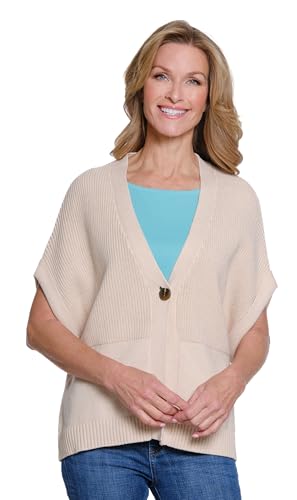

The Flax sweater is widely considered the gold standard for a first garment because it uses a simple, seamless construction worked in the round. By starting at the neckline and working downward, you avoid the frustration of sewing pieces together at the end.
The beauty here is the classic raglan shaping, which is easy to visualize and adjust if you have a non-standard body type. Because it is designed for a wide range of sizes, the math is already done for you, leaving you to focus on your tension and stitch consistency.
Be mindful that working in the round can sometimes lead to "rowing out," where your purl stitches appear looser than your knit stitches. If you notice this, focus on keeping your yarn tension steady as you transition between the two.
The Purl Soho Classic Ribbed Hat Pattern Guide

A ribbed hat is the ultimate "low stakes" project that provides immediate gratification and a wearable result. Ribbing is inherently stretchy, which makes this pattern incredibly forgiving if your gauge—the number of stitches per inch—is slightly off.
The challenge with ribbing is that it can be tedious for those who aren’t used to moving the yarn from the front to the back of the needle constantly. However, this repetition is exactly what builds the rhythm and fluidity needed for more advanced ribbing in sweaters.
If you find that your ribbing looks messy, try using a needle size slightly smaller than recommended for the body of the hat. This creates a tighter, more professional-looking edge that won’t lose its shape after a few wears.
The Basic Chunky Scarf by Purl Soho Explained
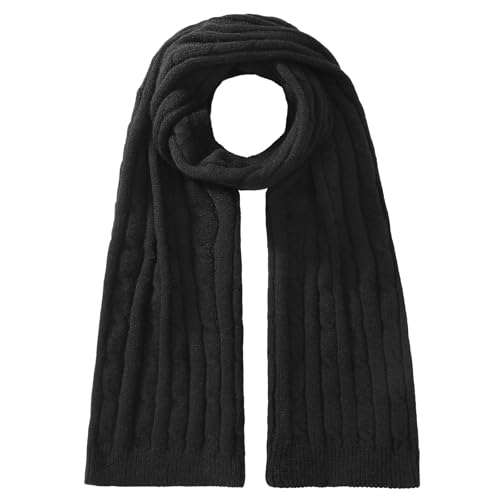
Don’t underestimate the power of a chunky scarf; it is the perfect canvas for learning how yarn weight impacts project speed. Using thick, bulky yarn means you will see progress in minutes rather than hours, which is vital for maintaining motivation.
The main trade-off with chunky yarn is that it can be physically demanding on your wrists and hands. If you experience fatigue, don’t force yourself to knit for hours on end; break your sessions into twenty-minute intervals to avoid cramping.
Avoid the temptation to use extremely heavy, unspun "roving" yarns for your first scarf. While they look trendy, they pill and felt almost instantly, leaving you with a ragged-looking accessory after just a few uses.
The Simple Garter Stitch Shawl by Jared Flood

Garter stitch is the foundation of all knitting, and a shawl is the perfect way to master increases without worrying about complex shaping. Because garter stitch is reversible, you never have to worry about which side is the "right" side.
The nuance here is learning how to manage a growing number of stitches on your needle as the shawl expands. As you add more yarn, the weight of the project will increase, which can actually help stabilize your tension if you tend to be a "tight" knitter.
Blocking is the real magic of this project; once you finish, soaking the shawl in water and pinning it out to dry will transform the fabric. You will be amazed at how a simple, bumpy piece of fabric becomes a professional, draped accessory.
The Easy V-Neck Tee by We Are Knitters Review

Moving from accessories to garments like a V-neck tee introduces the concept of structural shaping and garment fit. The V-neck is an excellent introduction to simple decreases, which you will use throughout your knitting career to create curves and necklines.
A common pitfall for beginners is choosing a fiber that is too heavy for a tee, such as a thick wool. For a summer garment, look for cotton, linen, or a bamboo blend, which offer the drape and breathability required for a piece worn against the skin.
Always remember that garments require more than just knitting; they require "finishing." Be prepared to spend time weaving in your ends securely, as a V-neck tee will undergo more movement and friction than a scarf or hat.
The Beginner Drop Stitch Cowl by Purl Soho

The drop stitch technique is a clever way to add visual interest and "lace-like" texture without the complexity of traditional yarn-overs and decreases. It teaches you how to intentionally manipulate your stitches to create a loose, airy fabric.
The key to success with drop stitches is consistency in your tension. If you pull too tight on the rows where you aren’t dropping stitches, the fabric will look uneven; if you are too loose, the dropped sections may look sloppy rather than intentional.
This project is a great lesson in fiber memory. If you choose a slick yarn like silk or rayon, the drop stitches will be very pronounced, while a wool yarn will "bloom" and fill in the gaps, creating a softer, more blurred effect.
The First Time Fingerless Mitts by Lion Brand
Fingerless mitts are essentially small tubes, making them the perfect introduction to working with double-pointed needles or the "magic loop" method. You will learn to manage small circumferences, which is the exact skill required for knitting socks or sweater sleeves.
The biggest challenge here is the thumb gusset—the small section of stitches that creates space for your thumb. It looks intimidating, but it is simply a series of increases followed by a small break in the main knitting.
Don’t be afraid to try on your mitts as you go. One of the greatest advantages of hand-knitting is the ability to customize the length and fit to your specific hand size, something you can never do with store-bought gloves.
Essential Tools for Your First Garment Project
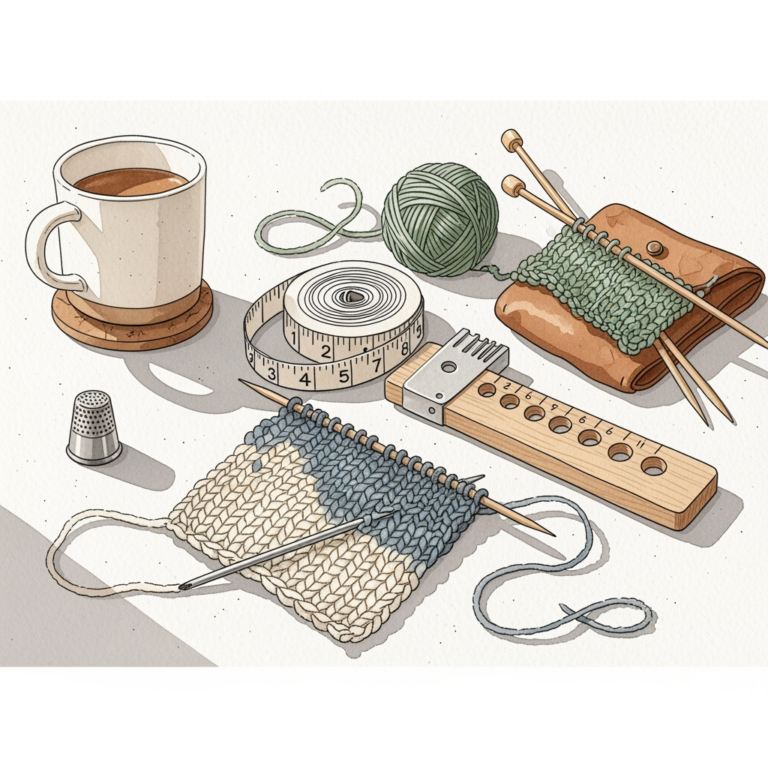
Your tools are an extension of your hands, and choosing the right material for your needles is as important as choosing the yarn. For beginners, bamboo or wood needles are often preferred because they provide a slight grip that keeps stitches from sliding off accidentally.
If you find yourself struggling to move stitches along the needle, you may be a "tight" knitter; in this case, a polished metal needle might actually help you work faster. Always keep a set of locking stitch markers on hand, as they are essential for tracking your progress and marking increases.
Finally, invest in a good pair of blunt-tipped tapestry needles for weaving in ends. Using a sharp needle can split your yarn, which creates a messy finish that is difficult to fix once the project is off the needles.
How to Choose Yarn for Your First Sweater Knit
When selecting yarn for your first sweater, look for a "plied" yarn—where multiple strands are twisted together—rather than a single-ply yarn. Plied yarns are much more durable and less likely to pill or break as you learn to manage your tension.
Superwash wool is a fantastic choice for beginners because it is machine-washable and generally resistant to felting. However, be aware that superwash wool has more "stretch" than non-superwash, which can cause a garment to grow in length after the first wash.
- Wool/Acrylic Blends: Durable and affordable.
- Superwash Merino: Soft and easy to care for.
- Cotton/Linen: Best for warm-weather garments, but lacks elasticity.
Understanding Gauge and Swatching for Success
The swatch is the most misunderstood part of knitting, but it is the only way to ensure your garment actually fits. A swatch is a small test square, usually 4×4 inches, that you knit before starting your project to verify your stitch count per inch.
If your swatch has more stitches per inch than the pattern calls for, your garment will be too small; if it has fewer, it will be too large. You can adjust this by changing your needle size—go up a size if your fabric is too tight, or down a size if it’s too loose.
Never skip this step, even if you are excited to start the "real" knitting. A few hours spent swatching can save you weeks of work on a sweater that ends up being three sizes too small for you to wear.
Knitting is a skill built on patience and the willingness to learn from your mistakes. Every stitch you make, even the ones you end up ripping out, is teaching you something vital about how fabric is constructed. Choose one of these patterns, find a yarn that feels wonderful in your hands, and embrace the process. You are not just making a garment; you are mastering a craft that will last a lifetime.