6 Best Fiber Combs For Dehairing Cashmere To Use
Discover the top 6 fiber combs for dehairing cashmere. Our guide evaluates essential tools to help you efficiently remove coarse guard hairs from soft fleece.
Cashmere is a fiber that demands respect, yet even the most carefully treated garments will inevitably develop those pesky little pills through friction. Finding the right tool to dehair your precious knits is the difference between reviving a sweater and accidentally snagging a delicate stitch. As someone who has spent decades working with fine animal fibers, I know that choosing the right comb or shaver is a critical part of garment longevity. Here are the tools I trust to keep your cashmere looking pristine season after season.
J.S.Y. Professional Metal Cashmere Comb: Best Overall
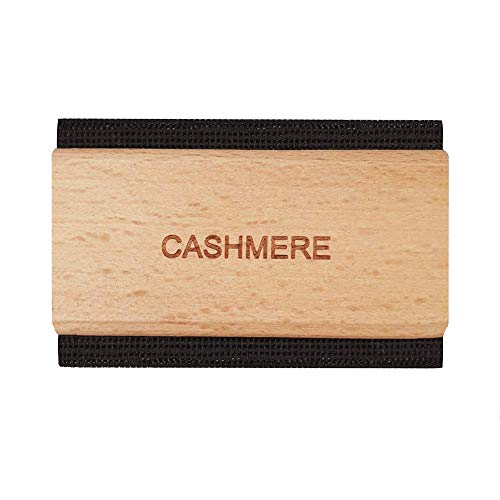

This metal comb is the gold standard for those who prefer a manual, tactile approach to garment care. Unlike motorized shavers, it gives you complete control over the pressure applied to the fabric, which is essential when dealing with the high-loft, delicate structure of cashmere.
Because it relies on a fine metal mesh, it excels at catching the tiny, stubborn pills that form under the arms or along the sides of a sweater. You aren’t just cutting the surface; you are gently lifting the fibers away.
The tradeoff here is the learning curve. If you pull too hard or use it at the wrong angle, you risk snagging a yarn strand, especially if your gauge is loose. Always keep the garment laid perfectly flat on a hard surface before you begin.
Gleener Fabric Shaver and Lint Remover: Top Pick
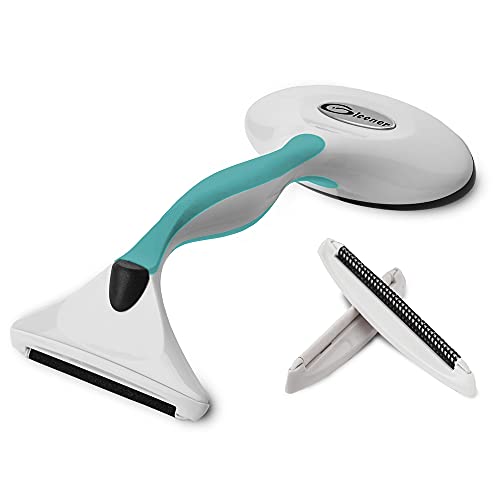
The Gleener is a brilliant piece of engineering because it offers three different edges for varying fabric weights. For cashmere, you’ll want to use the most delicate attachment, which is designed to handle fine fibers without causing unnecessary abrasion.
I love this tool because it doesn’t rely on blades that might accidentally "bite" into a stray loop of yarn. It functions more like a gentle rake, gathering pills into its teeth rather than shearing them off at the base.
It is a safer bet for beginners who are nervous about using sharp metal on their hand-knits. Just remember to work in one direction, following the grain of the stitch, to avoid distorting the fabric’s surface.
D-Fuzz-It Sweater Comb: Best Budget-Friendly Tool
Sometimes the simplest tools are the most effective, and the D-Fuzz-It is a classic for a reason. It is essentially a small, ergonomic block with a textured surface that grabs onto pills as you drag it across the fabric.
It is incredibly portable, making it perfect for stashing in your project bag for quick maintenance while you’re out and about. Since it has no moving parts or batteries, it is virtually indestructible.
However, because it lacks the precision of a metal-toothed comb, it can be less effective on very fine, lightweight cashmere. It works best on sturdier, multi-ply cashmere sweaters that have a bit more structural integrity.
Philips Fabric Shaver: Best for Delicate Fibers
If you are intimidated by manual combing, the Philips electric shaver is a reliable, motorized alternative. It features a protective guard that keeps the rotating blades at a safe distance from the yarn, preventing the dreaded "hole" that can happen with cheaper models.

The key to using this successfully is to never press down. Let the weight of the device do the work; if you push into the fabric, the guard will compress, and the blades will get too close to the delicate cashmere fibers.
It is particularly useful for large-scale dehairing on heavy-weight cashmere cardigans. Just be mindful of the battery life, as a slowing motor can sometimes pull at the fibers rather than cutting them cleanly.
Evercare Fabric Shaver: Best for Heavy Dehairing

When a garment has been neglected for a long time and is covered in significant pilling, the Evercare is my go-to. It has a larger head and a more powerful motor, which helps clear a vast surface area in a fraction of the time.
The trade-off for this power is a lack of finesse. I wouldn’t recommend using this on an intricate lace-weight cashmere shawl, as the suction and blade speed might be too aggressive for such a fragile construction.
Use this strictly for your workhorse sweaters—the ones you wear daily during the winter months. It’s a workhorse tool for workhorse garments, ensuring you don’t spend hours on a single piece.
Conair Fabric Shaver: Best Ergonomic Design

The Conair is a favorite among knitters who struggle with hand fatigue or grip issues. Its handle is shaped to fit comfortably in the palm, making it easy to maneuver around sleeves and necklines without cramping.
Beyond its shape, the adjustable height settings are a game-changer. You can set it to a higher level for fuzzy, high-loft cashmere and a lower level for a smoother, tighter-knit jersey fabric.
It is a great middle-ground tool that offers both safety and efficiency. If you are looking for one device to handle a variety of knits in your closet, this is a very versatile choice.
How to Properly Use a Fiber Comb on Cashmere
Always start by laying your garment on a flat, firm surface like an ironing board or a tabletop. Stretching the fabric slightly taut helps the comb glide over the surface without catching on individual stitches.
Work in small, short strokes rather than long, sweeping motions. This allows you to monitor the fabric’s reaction and stop immediately if you feel any resistance, which is usually a sign that you’ve snagged a loop.
- Check your tension: If you feel the comb catching, stop and inspect the area for a split ply or a loose strand.
- Work with the grain: Always comb in the direction of the knit stitches to maintain the integrity of the fiber alignment.
- Go slowly: Patience is your best friend when working with luxury fibers.
Understanding the Anatomy of Cashmere Fibers
Cashmere is a delicate, short-staple fiber that relies on its loft to provide warmth. Because the fibers are so fine, they have a natural tendency to migrate to the surface of the yarn, which is what we see as "pilling."
This is not a sign of poor quality; in fact, the softest, finest cashmere will often pill the most because the fibers are so silky and lightweight. Understanding this helps you realize that dehairing is a routine maintenance task, not a repair of a broken garment.
When you remove pills, you are essentially removing the excess fiber that has migrated. Over time, this does thin the garment slightly, which is why frequent, gentle care is better than aggressive, infrequent shaving.
Maintenance Tips for Your Fiber Grooming Tools
If you are using a metal comb, periodically check the teeth for any bent or jagged edges. A burr on a metal tooth can act like a knife, slicing through your yarn instead of catching the pill.
For electric shavers, keeping the lint trap clean is essential. A clogged trap forces the motor to work harder and reduces the suction needed to stand the pills up for the blades to catch them.
- Clean the blades: Use a small brush to remove any residual fiber from the cutting head after every use.
- Store carefully: Keep your tools in a dedicated pouch to prevent the blades or teeth from getting damaged in a junk drawer.
- Replace heads: If your electric shaver starts to sound dull or pull, replace the blade head immediately.
Preventing Pilling Before It Starts on Cashmere
The best way to manage pilling is to minimize the friction that causes it in the first place. Avoid wearing abrasive layers, like heavy denim jackets or rough wool coats, directly over your cashmere.
Washing your cashmere regularly with a high-quality wool wash can also help. Proper washing helps the fibers "bloom" and settle back into the twist of the yarn, which can reduce the amount of loose fiber that migrates to the surface.
Finally, store your cashmere folded rather than on hangers. Hanging a sweater puts stress on the shoulders and stretches the fabric, which can weaken the yarn structure and encourage the fibers to separate and pill.
Caring for cashmere is a meditative process that rewards you with garments that last for decades. By choosing the right tool and approaching the task with patience, you ensure your hand-knits remain as soft and luxurious as the day you bound off the final stitch. Remember, your knitwear is an investment in your time and skill, so treat it with the care it deserves. Happy knitting, and may your sweaters remain pill-free for years to come.