7 Best Measuring Tapes For Head Circumference Tested
We tested seven top measuring tapes for head circumference. Discover which flexible tools offer the most precise, comfortable fit for your specific needs.
Achieving the perfect fit for a hand-knit hat begins long before the first stitch is cast on. Precise head measurements are the difference between a cherished heirloom and a hat that perpetually slides over the eyes or pinches the temples. After years of guiding students through their first beanies, I’ve learned that the right measuring tool is just as vital as the right yarn. Here is how to select the best tape to ensure your hard work results in a professional, comfortable fit.
Hemline Retractable Tape: Best Overall Choice
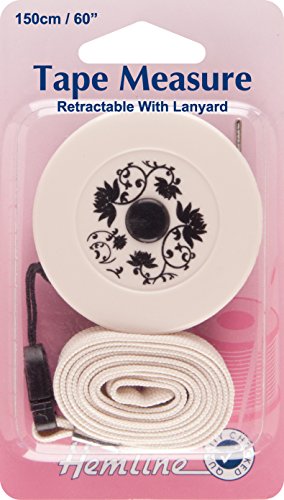

The Hemline Retractable Tape is a staple in my knitting bag because it offers a perfect balance of durability and convenience. When you are rushing to measure a model’s head before a workshop, you don’t have time to fight with a tangled, floppy tape.
The push-button retraction mechanism is smooth and reliable, preventing the tape from kinking or fraying at the edges. Because it’s compact, it stays tucked away until you need it, keeping your workspace clear of clutter.
The bottom line: It’s the most practical tool for the traveling knitter who values speed and longevity.
Singer Professional Fiberglass Measuring Tape

Fiberglass tapes are the workhorses of the sewing and knitting world for a reason. Unlike cheaper vinyl versions, the Singer Professional tape resists stretching, which is critical when you are trying to capture an accurate circumference.
If you are working with a high-twist wool that has a bit of "spring," you need a tape that won’t give an inch. This tape remains stable even under the tension required to get a snug, accurate reading of a head contour.
The bottom line: Choose this if you want a no-nonsense, non-stretching tool that will last for years.
Dritz Ezy-Check Measuring Tape for Accuracy

The Dritz Ezy-Check is designed with high-contrast markings that make reading measurements effortless in low-light conditions. When you’re knitting in the evening with dark, moody yarns, eye strain is real; having a tape that is easy to read is a small mercy.
The markings are crisp and consistent, which helps when you are calculating the necessary ease for a hat pattern. Accurate data translates directly into a better fit, especially when you are adjusting a pattern for a different head size.
The bottom line: This is the best choice for knitters who prioritize legibility and quick, mistake-free readings.
Clover Retractable Tape Measure for Knitters

Clover tools are famous for their ergonomic design, and their retractable tape is no exception. It feels substantial in the hand, and the tape itself is soft enough to wrap snugly around the curve of a forehead without causing discomfort.
For beginners, the tactile feedback of this tape makes the measuring process feel less clinical and more intuitive. It’s a tool that feels like a natural extension of your hands rather than a stiff piece of plastic.
The bottom line: If you prefer high-quality Japanese engineering and a soft, pliable tape, this is your winner.
Q-Connect Soft PVC Tape for Head Contours

Sometimes, you need a tape that is exceptionally soft to get into the nooks and crannies of a unique head shape. The Q-Connect PVC tape is incredibly flexible, allowing it to conform perfectly to the natural contours of the skull.
While it lacks the rigidity of fiberglass, its extreme flexibility is an asset when you are trying to measure a toddler or someone who is constantly moving. It won’t dig into the skin, making the measuring process a much more pleasant experience for your subject.
The bottom line: Use this for maximum comfort and flexibility when measuring sensitive or active subjects.
Fiskars 60-Inch Tape for Precise Hat Sizing

Fiskars brings a level of precision to their measuring tools that is often missing from generic craft store options. The 60-inch length is generous, ensuring you never run out of tape, even if you are measuring for a complex, slouchy hat with a large brim.
The tape is clearly marked, and the end tabs are reinforced, which prevents the common issue of the metal tip tearing away from the tape. This durability is essential when you are constantly pulling the tape taut to check your gauge against a head measurement.
The bottom line: It’s a dependable, long-lasting tool that offers the precision required for professional-looking results.
Westcott Flexible Tape for Comfortable Fit
The Westcott Flexible Tape is designed with a soft-touch finish that feels gentle against the skin. When you are measuring a client or a friend, the last thing you want is a sharp, cold plastic edge pressing against their forehead.
This tape is lightweight and easy to manage, making it a favorite for knitters who keep a small kit in their purse. It’s an understated tool that does its job quietly and effectively without any unnecessary bells or whistles.
The bottom line: An excellent, budget-friendly option that doesn’t sacrifice comfort or basic accuracy.
Why Measuring Tape Material Matters for Hats
The material of your tape is not just a preference; it’s a technical requirement for accurate sizing. Vinyl tapes can stretch over time, leading to "size creep," where your hats end up slightly larger than intended.
- Fiberglass: Best for stability; it will not stretch even with heavy use.
- Vinyl/PVC: Highly flexible and soft, but prone to slight stretching over years.
- Coated Cloth: Very soft, but can fray and become inaccurate at the edges.
If you are knitting a fitted beanie or a toque, you cannot afford for your measurement to be off by even a quarter of an inch. Always check your tape against a metal ruler every few months to ensure it hasn’t lost its calibration.
How to Measure Head Circumference Correctly
To get the right measurement, place the tape about an inch above the eyebrows and slightly above the ears, wrapping it around the widest part of the back of the head. This is the "hat line," where the brim of your finished piece will sit.
Do not pull the tape too tightly; you want it to sit flush against the skin without compressing the hair or the scalp. If you pull too hard, your hat will be too tight; if you leave it too loose, the hat will sag.
Always measure twice to ensure consistency. If you are between sizes, I recommend sizing down slightly for wool hats, as the fibers will naturally relax and grow with wear.
Avoiding Common Errors in Hat Size Planning
The most common mistake I see is failing to account for "negative ease." A hat needs to be slightly smaller than the head circumference to stay on, usually by about 1 to 2 inches depending on the elasticity of your stitch pattern.
Many knitters also forget that different fibers behave differently. A superwash wool will grow significantly after blocking, whereas a cotton or linen blend will have very little "give" or memory.
- Ribbing: Always use a smaller needle for the brim to ensure the hat grips the head.
- Gauge: Measure your gauge in the round, as most knitters purl differently than they knit.
- Blocking: Always block your swatch before measuring, as the final fabric will be different from the raw, off-the-needles state.
Investing in a reliable measuring tape is a small but critical step in your journey toward becoming a better knitter. By choosing a tool that offers stability and accuracy, you remove the guesswork from your projects and ensure every hat you knit fits perfectly. Remember that measurement is a skill, and with the right tape in your hand, you’ll be crafting beautiful, well-fitted headwear for years to come. Happy knitting, and may your gauge always be spot on.