7 Best Winding Spindles For Woolen Spinning Choices
Discover the top 7 winding spindles for woolen spinning. This guide evaluates key features to help you select the ideal tool for your fiber craft projects.
Spinning your own yarn is the ultimate way to achieve total creative control over the texture and drape of your finished garments. While modern wheels are efficient, the meditative art of hand-spinning on a spindle offers a tactile connection to your fiber that no machine can replicate. Choosing the right tool is the difference between a frustrating tangle and a rhythmic, productive session. This guide explores the best spindles on the market to help you find your perfect match.
Schacht Hi-Lo Drop Spindle: Best Overall Choice


The Schacht Hi-Lo is the gold standard for a reason: it is incredibly versatile. It features a weighted brass rim that provides excellent momentum, making it ideal for those who want a long, steady spin without constant flicking.
This spindle is designed with two whorl positions, allowing you to choose between a high-whorl (top) or low-whorl (bottom) setup. The top position is perfect for spinning fine, thin singles, while the bottom position provides the stability needed for heavier, bulkier wools.
If you are a beginner, the weight distribution here is forgiving and helps you maintain a consistent twist. It’s a reliable workhorse that will grow with your skills as you move from thick, rustic singles to finer, more complex yarns.
Jenkins Turkish Spindle: Best for Portability
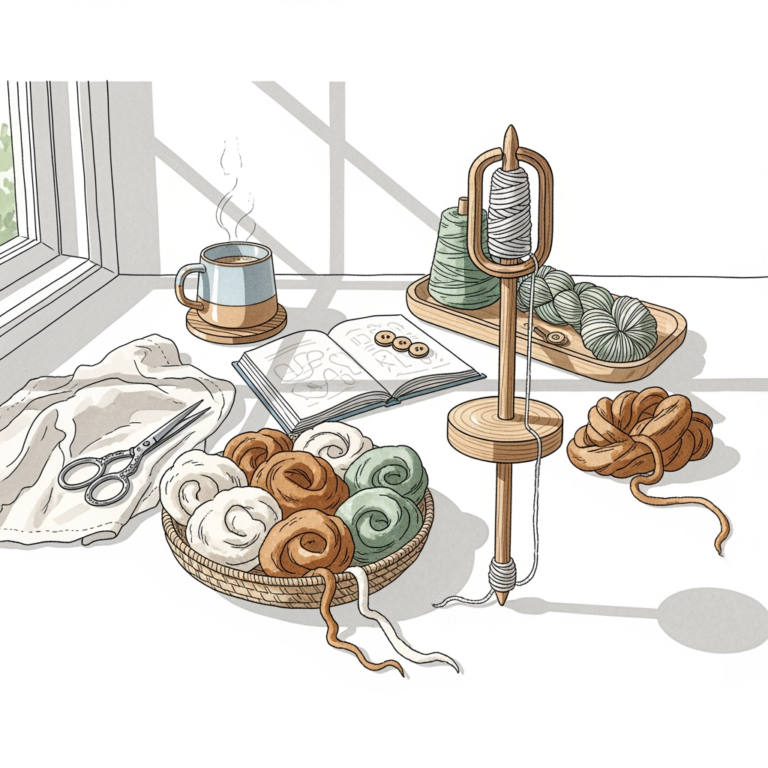
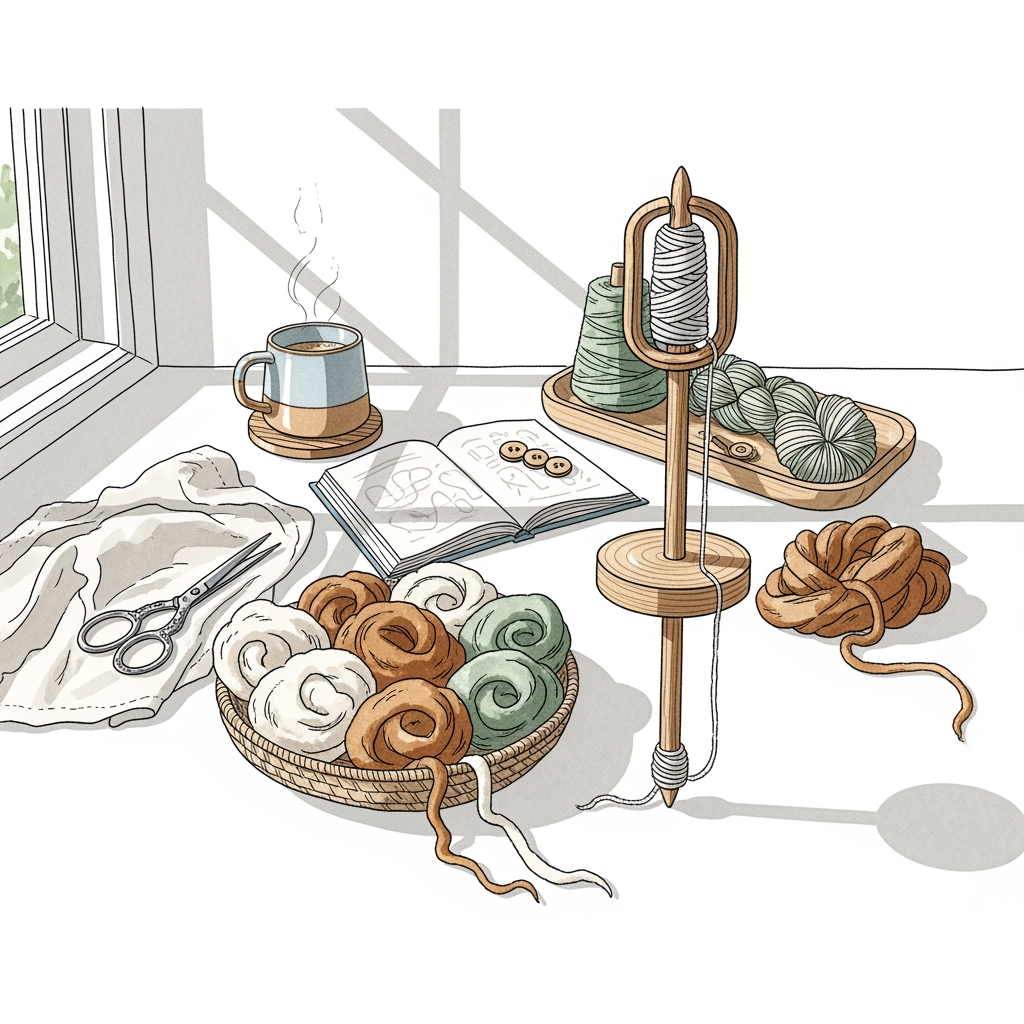
When you’re spinning on the go, you need a tool that won’t snap or lose its balance in your project bag. Jenkins spindles are renowned for their exquisite craftsmanship and, more importantly, their ability to be dismantled into three compact pieces.
The Turkish style allows you to wind your finished yarn directly onto the arms of the spindle. Once you’re done, you simply slide the arms out, and you are left with a neat, center-pull ball of yarn ready for plying or knitting.
Because they are handcrafted from beautiful hardwoods, they feel like jewelry in your hands. They are exceptionally light, which makes them perfect for spinning delicate fibers like fine merino or alpaca without putting unnecessary tension on the yarn.
Kromski Sonata Spindle: Best for Consistency
The Kromski Sonata is a precision-engineered tool that excels at keeping your yarn diameter uniform. It is weighted perfectly to provide a steady, controlled spin that doesn’t wobble or vibrate in your hand.
Consistency is the biggest hurdle for new spinners, especially when you are trying to match a specific WPI (wraps per inch) for a pattern. The Sonata’s balance helps you achieve that rhythmic "park and draft" motion without the spindle losing momentum mid-spin.
While it might feel slightly more technical than a basic drop spindle, the payoff is a much more professional-looking yarn. If you are spinning for a specific sweater project where gauge is critical, this tool will help you hit your target thickness every time.
Bosworth Mid-Weight Spindle: Best for Balance
Bosworth spindles are legendary in the spinning community for their "spin time." Because of their superior balance, they rotate for an impressively long time, allowing you to draft your fiber with both hands while the spindle does the heavy lifting.
The mid-weight option strikes the perfect middle ground for most sheep’s wool. It provides enough mass to pull a good draft but isn’t so heavy that it risks breaking the yarn if you are spinning a slightly thinner, more delicate staple.
These are investment pieces that feel substantial and solid. If you find yourself getting tired of constantly flicking your spindle, the Bosworth’s ability to maintain its own energy will save your wrists and make your spinning sessions much more enjoyable.
Snyder Turkish Spindle: Best for Beginners

The Snyder Turkish spindle is a fantastic entry point because it is lightweight and very easy to assemble. It removes the intimidation factor of traditional drop spindles by giving you a clear, visual way to manage your yarn.
For a beginner, the biggest challenge is often keeping the yarn from slipping off the hook or shaft. The Turkish cross-arms act as a natural stop, preventing your yarn from unraveling while you practice your drafting technique.
It is an affordable, durable option that can take a few drops on the floor without shattering. Start here if you want to learn the mechanics of twist without worrying about the complexity of high-end, precision-weighted equipment.
Golding Student Spindle: Best for Long Spins
Golding spindles are famous for their engineering, and the Student model is no exception. It is designed to be incredibly stable, which is essential if you are spinning long, continuous lengths of yarn for a large project like a shawl or a sweater.
The weight is concentrated perfectly to minimize "wobble," which is the enemy of a smooth, even yarn. When the spindle spins true, you can focus entirely on your fiber hand, ensuring that your twist is even and your draft is consistent.
This is the spindle you reach for when you have a large batch of fiber and want to get into a "flow state." It’s an efficient, professional tool that minimizes fatigue and maximizes your output, making it perfect for dedicated makers.
McMorran Yarn Balance: Best for Precision
Strictly speaking, the McMorran Yarn Balance isn’t for spinning, but it is an essential companion for any serious hand-spinner. It allows you to calculate the exact yardage of your finished yarn, which is vital for planning your knitting projects.
Nothing is worse than running out of hand-spun yarn halfway through a sleeve. By using this tool, you can accurately measure your grist—the relationship between weight and length—to ensure you have enough yardage for your patterns.
It is a simple, mechanical tool that requires no batteries or complex setups. If you are serious about spinning for specific knitting designs, this is the tool that turns your hobby into a precise, predictable craft.
How to Select the Right Spindle for Your Fiber
Choosing the right spindle often comes down to the fiber you are using. Fine, short-staple fibers like cotton or high-end merino require a lighter spindle to prevent the yarn from snapping under its own weight.
Longer, coarser wools like Corriedale or Bluefaced Leicester can handle more weight, which helps pull the fibers into a smooth, strong yarn. Consider these factors before you buy:
- Weight: Heavier for thick, bulky yarn; lighter for lace weight.
- Whorl material: Brass or metal adds momentum; wood is lighter and gentler.
- Shaft length: Longer shafts allow for more yarn storage but can be harder to control.
If you are just starting out, a medium-weight spindle is your best bet. It is flexible enough to handle a wide range of wool breeds while you learn what kind of yarn you prefer to spin.
Key Differences Between Turkish and Drop Styles
The primary difference between these styles is how you manage the finished yarn. A Drop Spindle is the classic choice, where you wrap the yarn directly onto the shaft as you spin, often requiring a cop (a winding tool) to remove it later.
A Turkish Spindle uses cross-arms, which allow you to build a center-pull ball as you go. This is a game-changer if you want to ply your yarn immediately, as you can pull from the center of the ball and the outer end simultaneously.
Neither is "better," but they serve different needs. If you enjoy the meditative process of winding onto a cop, stick with a drop spindle; if you want efficiency and easy plying, the Turkish style is the clear winner.
Essential Tips for Maintaining Your Spindles
Spindles are tools, but they are also delicate instruments. Always store your spindles in a way that prevents the shaft from bending or the whorl from chipping, as even a tiny nick can throw off the balance and cause the spindle to wobble.
If your wooden spindle feels a bit dry, a tiny drop of mineral oil or a high-quality wood wax can keep the grain from cracking. Avoid leaving them in direct sunlight or extreme humidity, as wood will naturally expand and contract, which can loosen the fit of the whorl.
Finally, keep your spindle clean by wiping it down after each session to remove natural lanolin or dust. A well-maintained spindle will last a lifetime, becoming a trusted partner in your fiber arts journey.
Investing in a quality spindle is the first step toward creating truly custom yarns that elevate your knitting to a professional level. Whether you prioritize the portability of a Turkish spindle or the steady momentum of a weighted drop style, the right tool will make your practice more rhythmic and rewarding. Take your time, experiment with different weights, and enjoy the process of turning raw fiber into your own unique yarn. Happy spinning, and may your twists always be even.