
7 Best Pattern Binders For Reference Books To Use
Discover the 7 best pattern binders for reference books. This guide evaluates durability and organization to help you choose the ideal tool for your collection.
Every knitter eventually reaches a point where their printed patterns, yarn labels, and swatch notes threaten to overwhelm their workspace. A dedicated binder system transforms a chaotic pile of loose-leaf printouts into a professional-grade reference library. Choosing the right binder is as important as selecting the correct needle material for a specific yarn weight. These seven options offer the structure needed to keep your creative process organized and your focus on the needles.
Avery Durable View Binder: The Best Overall Choice


If you want a reliable workhorse that stands up to years of flipping through lace charts, the Avery Durable View Binder is the gold standard. It features a gap-free ring mechanism that prevents those annoying snags when you are quickly turning pages mid-row.
The clear overlay on the front and spine allows you to slide in a custom cover sheet, which is perfect for labeling binders by project type, such as "Sweaters," "Socks," or "Lace." Because the cover is non-stick, your printed pattern pages won’t lift ink or get stuck to the plastic over time.
This binder strikes the perfect balance between professional utility and home-studio convenience. It is the ideal choice for a knitter who needs a sturdy, predictable system that won’t fail during a complex colorwork sequence.
Mead 3-Ring Fashion Binder: Best Budget Option

Sometimes you just need a simple, lightweight way to corral a few seasonal patterns without investing in expensive office gear. The Mead 3-Ring Fashion Binder provides a functional, no-frills solution that gets the job done at a very accessible price point.
While it lacks the heavy-duty reinforcement of more premium models, it is surprisingly capable for storing standard project sheets and swatch records. The flexible cover makes it easy to tuck into a project bag when you are heading to a knit night or a local guild meeting.
If you are just starting your pattern collection, don’t feel pressured to buy the most expensive storage solution. This budget-friendly option allows you to spend your hard-earned money on quality wool instead of office supplies.
Leuchtturm1917 A4 Binder: Best Premium Selection
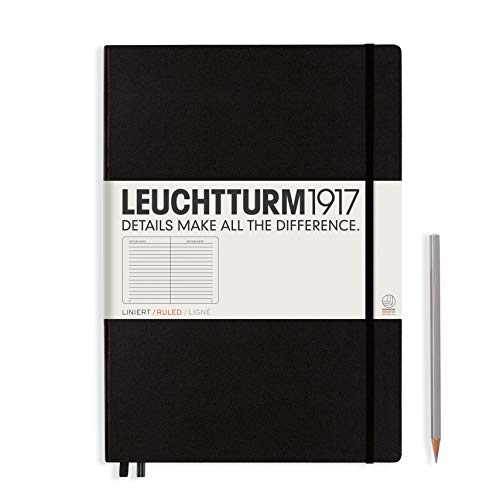
For the knitter who treats their pattern collection like a curated archive, the Leuchtturm1917 A4 Binder offers unmatched elegance and build quality. Its minimalist aesthetic and high-quality materials make it a beautiful addition to any knitting nook or bookshelf.
This binder is designed for those who value longevity; the construction is robust enough to house your most prized, vintage pattern collections or heirloom lace designs. It feels substantial in the hand, signaling that the contents inside are worth protecting.
If you have invested time in building a library of high-end independent designer patterns, this binder provides the professional presentation they deserve. It is a splurge, but for the serious collector, it is an investment in organization that lasts a lifetime.
Samsill Earth Choice Binder: Best Eco-Friendly Pick

Knitting is inherently tied to the natural world, so it is only fitting that many of us prefer to minimize our environmental footprint. The Samsill Earth Choice Binder is constructed from 55% recycled materials, making it a conscious choice for the eco-minded maker.
Beyond its green credentials, the binder is surprisingly durable and features a bio-based cover that resists tearing. It is a fantastic option for knitters who use plant-based fibers like linen or cotton and want their storage system to reflect their sustainable values.
Choosing this binder proves that you don’t have to sacrifice performance to make an environmentally responsible decision. It handles heavy usage just as well as non-recycled alternatives, ensuring your patterns stay safe while you stay true to your ethics.
Wilson Jones Heavy Duty Binder: Best for Durability

If you are a prolific knitter who constantly references complex charts, you need a binder that can handle daily abuse. The Wilson Jones Heavy Duty Binder features a reinforced hinge that is specifically designed to withstand thousands of openings and closings.
I often see knitters struggle with binders that fall apart at the spine after only a few months of use. This model solves that problem with a rugged design that keeps your pattern pages perfectly aligned, even if the binder is stuffed to capacity.
For those who keep their "master" reference books—the ones containing your go-to gauge charts and modification notes—this is the most secure option. It is built to survive the wear and tear of a busy knitting life.
Case-It Mighty Zip Binder: Best for Portability
When you are traveling to a retreat or a workshop, you need a system that keeps your patterns, needles, and notions in one secure place. The Case-It Mighty Zip Binder features a full perimeter zipper that ensures nothing falls out during transit.
This binder is a game-changer for the "on-the-go" knitter because it includes internal pockets for stitch markers, tapestry needles, and measuring tapes. It essentially functions as a portable command center for your current project.
Because it zips shut, you never have to worry about loose pages scattering in your project bag. It is the ultimate tool for the knitter who refuses to leave their reference library behind when they head out the door.
Cardinal XtraLife Binder: Best for Heavy Usage

The Cardinal XtraLife Binder is engineered for those who keep their reference materials open on the table for hours at a time. The hinge is designed to be "XtraLife" flexible, meaning it won’t crack or split even when folded back repeatedly.
This is critical when you are working on an intricate cable pattern and need the binder to lay flat on your lap or table. The rings are also easy to open, which is a relief when you have tired hands after a long day of knitting.
If you find yourself constantly adding new pages, updating your notes, and rearranging your collection, this binder will keep up with your pace. It is a reliable, high-performance tool for the dedicated crafter.
How to Organize Your Knitting Patterns Effectively
Organization is a personal process, but I recommend grouping your patterns by category rather than designer or date. Start with broad sections: Sweaters, Accessories, Socks, and Home Goods.
Within those sections, use tabbed dividers to separate by weight or technique. For example, keep your "Stranded Colorwork" charts separate from your "Cables and Texture" designs so you can find what you need at a glance.
Finally, keep a "Master Notes" sheet at the front of each binder. Record your preferred needle sizes, yarn substitutions, and any modifications you made to a pattern so you don’t have to reinvent the wheel next time.
Essential Features for Your Pattern Storage Binder
When shopping for a binder, don’t just look at the color or the price; consider the mechanics that affect your daily workflow. Here are the features that actually matter to a knitter:
- D-Rings: These allow pages to lay flatter and prevent the "page curl" that happens with round rings.
- Gap-Free Mechanism: Essential for ensuring your pages turn smoothly without getting snagged.
- Clear Overlay: Allows you to label your binders clearly so you can find your "Socks" binder in seconds.
- Interior Pockets: Perfect for storing spare yarn labels or small swatches that you haven’t yet logged.
Tips for Maintaining Your Knitting Reference Library
Your reference library is a living document that grows with your skill set. Every few months, take an hour to purge patterns you know you will never knit and move your "most used" charts to the front of the binder.
Protect your printed pages by using high-quality sheet protectors. This is especially important for patterns you carry in your project bag, as it prevents the paper from getting damp, wrinkled, or stained by dye transfer from your yarn.
Remember that your binder is there to serve your creativity, not to become a chore. If a specific organizational system feels too rigid, change it; the best library is the one you actually use.
Investing in a quality binder system is a small step that yields massive dividends in your knitting productivity. By keeping your patterns, notes, and swatches orderly, you free up mental space to focus on the joy of the craft itself. Choose a binder that fits your specific workflow, keep it organized, and watch as your reference library becomes your most trusted knitting companion. Happy knitting, and may your gauge always be consistent.