6 Best Fabric Scissors For Trimming Yarn For Crafters
Find the perfect cut with our guide to the 6 best fabric scissors for yarn. Discover durable, sharp tools that ensure clean edges for all your craft projects.
Every knitter knows the frustration of a dull pair of scissors mangling a delicate mohair yarn or leaving a frayed, uneven end on a wool project. While many crafters settle for whatever junk drawer shears are available, investing in high-quality fabric scissors changes the entire finishing experience. Precise, clean cuts are essential for weaving in ends securely and achieving a professional look during blocking. This guide explores the best tools to ensure your final snip is as clean as your very first cast-on.
Gingher 8-Inch Knife Edge Dressmaker Shears


These shears are the gold standard for a reason, offering a classic, heavy-duty feel that inspires confidence. When you are trimming heavy-weight wool or multi-ply yarns, the sheer weight of these blades helps them glide through the fiber without the yarn slipping between the edges.
The "knife-edge" grind is particularly effective for those who do a lot of colorwork. If you are constantly cutting and rejoining yarn in a stranded project, these scissors provide a crisp, clean edge that makes grafting or weaving in ends significantly easier.
However, keep in mind that these are heavy. If you have any wrist fatigue from long hours of knitting, the weight might become noticeable after a while. They are a lifetime investment, provided you treat them with the respect they deserve.
Kai 7230 9-Inch Professional Dressmaking Shears

Kai scissors are famous for their incredibly smooth action, which feels almost effortless compared to traditional heavy-duty shears. The stainless steel blades are exceptionally sharp, making them perfect for finer fibers like silk or alpaca blends that tend to slide away from duller blades.
Because they are lighter than the Gingher knives, they are excellent for knitters who want precision without the hand strain. The pivot assembly is designed to maintain consistent tension, meaning you won’t experience that annoying "chewing" of the yarn near the tips.
If you work with delicate, high-twist yarns, these are a dream. Just be aware that they are precision instruments; they don’t appreciate being used on anything but soft fibers.
Fiskars Amplify RazorEdge Fabric Shears

Fiskars is a household name, but the Amplify line is a significant step up for the serious crafter. These scissors feature a unique sensor-based mechanism that detects the thickness of the material and adjusts the blade tension automatically.
This is a game-changer when you switch between bulky, single-ply roving yarns and fine, fingering-weight sock yarns. You don’t have to worry about the yarn folding over the blade; the scissors ensure a clean cut regardless of the fiber’s loft or density.
They are a bit more "tech-forward" in their design, which might not appeal to traditionalists. However, for sheer versatility across a varied stash, they are hard to beat.
LDH Scissors Midnight Edition Fabric Shears
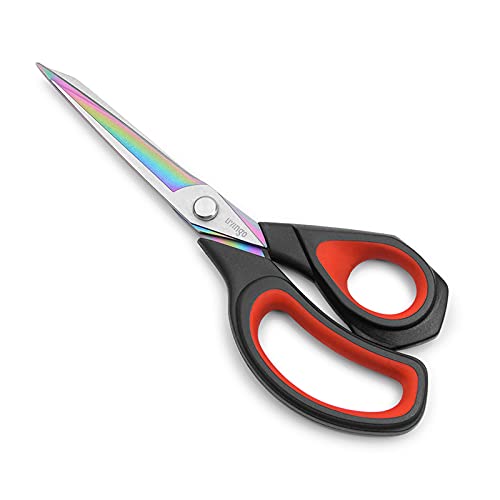
These scissors are as beautiful as they are functional, featuring a matte black finish that looks stunning on any crafting table. Beyond the aesthetics, the high-carbon steel blades hold an edge remarkably well, even after weeks of heavy use.
What I love about these is the ergonomic handle design, which feels balanced in the hand. When you are finishing a large project and have dozens of ends to weave in, the comfort of the grip becomes just as important as the sharpness of the blades.
They are a premium choice, but they offer the kind of tactile feedback that makes a tedious task like trimming ends feel like a ritual. Just ensure you keep them oiled to prevent rust, as carbon steel requires a bit more maintenance than stainless options.
Havel’s Sewing 8-Inch Serrated Fabric Shears

Serrated blades are a secret weapon for many knitters, especially those who work with slippery synthetic yarns or superwash wools that tend to "run" when cut. The tiny teeth on the blade grip the fiber, preventing it from sliding forward as you close the scissors.
If you have ever tried to cut a slippery nylon-blend sock yarn and watched it slide right out of the tips, you will appreciate these immediately. They provide a "bite" that ensures the yarn stays exactly where you want it.
They aren’t necessarily the best for heavy, thick wools, but for fine-gauge knitting and slippery fibers, they are unmatched. They essentially eliminate the need to hold the yarn taut while you cut.
Westcott 8-Inch Titanium Bonded Scissors
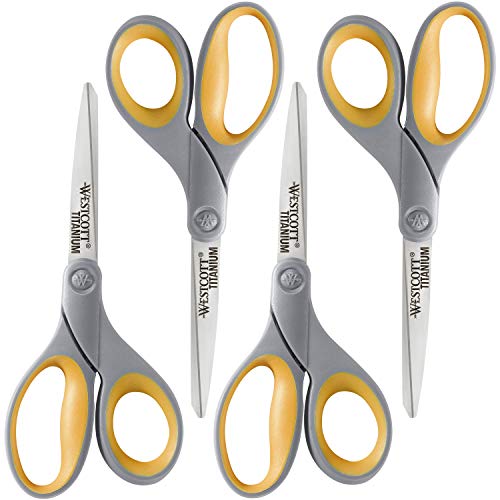
Titanium-bonded blades are incredibly durable and resistant to the wear and tear that comes with daily use. These are the "workhorses" of the bunch; they are affordable, reliable, and can handle a variety of materials without losing their edge quickly.
For a knitter who keeps a pair of scissors in their project bag and takes them to knitting groups or on the go, these are a fantastic choice. They are lightweight and durable enough to withstand being tossed into a tote bag.
They might not offer the ultra-refined, surgical cut of the Kai or Gingher shears, but they are perfectly capable of handling 99% of knitting tasks. If you are prone to losing your scissors, these provide high performance without the heart-stopping price tag.
How to Properly Maintain Your Fabric Scissors
Your scissors are only as good as their last sharpening, and maintenance is the key to longevity. First, keep them clean; lint and residual fiber oils can build up between the blades, causing them to lose their smooth action.
- Wipe them down: Use a soft, lint-free cloth after every crafting session to remove stray fibers.
- Lubricate the pivot: A tiny drop of sewing machine oil at the screw once or twice a year keeps the movement fluid.
- Store properly: Never store them in a drawer where they can clatter against other metal tools, as this will nick the blade edge.
If you notice the blades are "chewing" the yarn rather than slicing it, it is time for a professional sharpening. Avoid DIY sharpening kits unless you are highly skilled, as it is very easy to ruin the factory-set blade angle.
Why You Should Never Use Fabric Scissors on Paper
This is the golden rule of sewing and knitting: Fabric scissors are for fiber only. Paper is surprisingly abrasive and contains fillers and coatings that can dull high-quality steel edges in just a few cuts.
When you cut paper, the fibers in the paper act like microscopic sandpaper on the blades. Once the edge is compromised, your scissors will begin to fray your yarn rather than cut it cleanly.
Keep a cheap pair of office scissors nearby for patterns, labels, or shipping boxes. Treat your fabric shears like a dedicated tool, and they will reward you with years of clean, effortless cuts.
Essential Tips for Testing Your Scissor Sharpness
The best way to test your scissors is the "drape test." Take a single strand of your most delicate yarn—like a lace-weight mohair—and hold it taut. Your scissors should slice through it cleanly at the very tip of the blade without the yarn bending or sliding.
- The Tip Test: The tips should be as sharp as the base; if the yarn folds at the tip, your scissors need professional sharpening.
- The Sound Test: A sharp, well-aligned pair of shears makes a distinct, crisp "snick" sound. A dull pair often makes a muffled, grinding noise.
- The Feel Test: You should feel zero resistance when closing the blades. If you have to force the handles together, the tension is likely off or the blades are dull.
If your scissors fail these tests, they are likely causing more damage to your yarn ends than you realize. A clean cut prevents the fibers from fraying, which makes weaving in ends much more secure.
Understanding Blade Tension and Scissor Anatomy
The pivot screw is the heart of your scissors, as it controls the tension between the two blades. If the tension is too loose, the blades will push apart, and the yarn will slide between them; if it is too tight, you will experience hand fatigue and uneven cutting.
Most professional-grade shears have an adjustable pivot screw. You can test the tension by holding the scissors by one handle and letting the other drop; it should swing smoothly halfway down and stop, not slam shut or stay open.
Understand that anatomy matters. The "bows" (the handles) should fit your fingers comfortably to prevent strain, and the length of the blades should match your project scale. For small, intricate lace, a shorter blade is often easier to maneuver than a heavy 9-inch dressmaker shear.
Choosing the right scissors is about balancing the tactile needs of your yarn with the physical comfort of your hands. Whether you opt for the surgical precision of Kai or the rugged reliability of Westcott, remember that your tool is an extension of your craft. Keep them sharp, keep them away from paper, and your finishing work will become a seamless part of your knitting process. Happy knitting, and may your ends always be perfectly trimmed.