7 Best Yarn Clips For Color Changes To Keep Handy
Master colorwork with these 7 essential yarn clips. Learn how these handy tools secure strands, prevent tangles, and make switching colors a seamless task.
Managing multiple strands of yarn during complex colorwork projects is often the difference between a meditative knitting experience and a frustrating knot-filled nightmare. Stitch markers and yarn clips act as your silent assistants, keeping your tension consistent and your color transitions organized. Whether you are working on a stranded Nordic sweater or simple intarsia motifs, the right tool keeps your project moving forward. Here are the seven best yarn clips and markers to keep in your notions bag for seamless color management.
Clover Knitting Stitch Markers: Best All-Rounder


Clover’s locking stitch markers are a staple in almost every seasoned knitter’s kit for a reason. Their teardrop shape and smooth plastic finish ensure they slide easily over needles without snagging delicate fibers like mohair or single-ply merino.
These are the "workhorses" of the knitting world. Because they are lightweight, they won’t distort your fabric or weigh down your work while you are navigating complex color changes.
If you find yourself switching between different yarn weights frequently, these are your go-to choice. They are reliable, consistent, and don’t require a steep learning curve to open or close.
Cocoknits Colored Nylon Stitch Markers: Best Grip
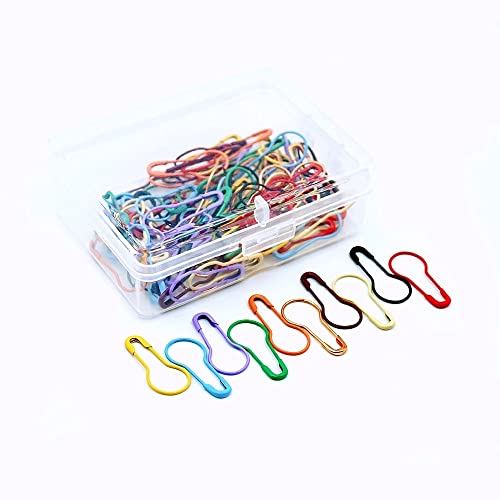
Cocoknits has mastered the art of functional design with their nylon-coated steel markers. The nylon coating provides just enough "tooth" to keep them from sliding around unexpectedly while you are mid-row.
These are particularly useful when you need to track specific color repeats in a long chart. Because they are magnetic, you can even stick them to a magnetic board or your needle case when not in use.
The grip is the standout feature here. If you are working with slippery materials like silk or bamboo blends, these markers won’t slide off your needles when you set your project down for the night.
Tulip Knitting Needle Point Protectors: Best Hold
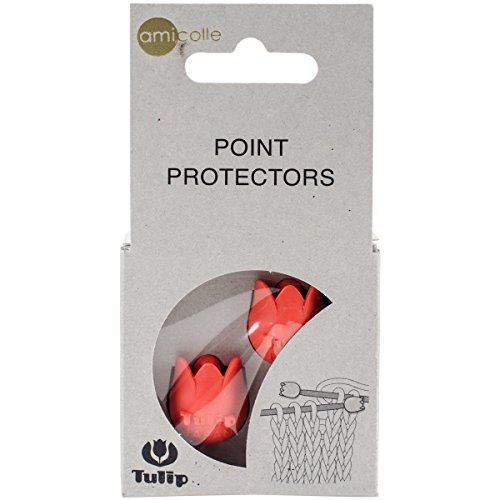
While technically point protectors, these tools double as excellent yarn anchors when you are working with multiple bobbins. They provide a secure, rubberized hold that keeps your yarn ends from unraveling while your project sits in your bag.
They are ideal for those who tend to be a bit rougher with their knitting bags. The silicone-like material grips the needle tips firmly, ensuring that your active stitches—and your yarn tails—stay exactly where you left them.
Keep in mind that they are best suited for smaller needle sizes. If you are working on bulky weight projects with large needles, the fit might be too tight or entirely incompatible.
Susan Bates Locking Stitch Markers: Best Value

Susan Bates markers are the classic, no-nonsense choice for the knitter who wants to buy in bulk. They are inexpensive, durable, and come in a variety of bright colors that make identifying specific color sections a breeze.
They operate with a simple safety-pin style mechanism that is incredibly intuitive. For beginners, this is the least intimidating way to start marking your color transitions or counting repeats.
The tradeoff is that the plastic can sometimes feel a bit stiff. If you have any hand fatigue or arthritis, you might find the locking mechanism requires a bit more force than more expensive, softer alternatives.
HiyaHiya Small Locking Stitch Markers: Best Size

When you are working on fine-gauge projects like socks or lace, standard stitch markers can feel bulky and intrusive. HiyaHiya’s small locking markers are designed to sit unobtrusively on your needles without interfering with your tension.
These are exceptionally thin, which is a major advantage when you are working with high-twist wools or thin fingering weight yarns. They won’t leave "gaps" in your fabric where the marker sits, which is a common issue with larger, clunkier accessories.
Because they are so small, they are easy to lose. I recommend keeping them in a dedicated, secure tin rather than tossing them loosely into your knitting bag.
Brittany Birchwood Stitch Markers: Best for Wool

If you prefer natural materials, Brittany’s birchwood markers offer a beautiful, tactile experience. They are smooth and snag-free, making them an excellent match for wool-based projects where you want to avoid plastic static.
Wood has a natural warmth that plastic lacks, and it won’t react with the oils in your hands. They feel substantial without adding unnecessary weight to your project.
They are particularly well-suited for rustic, woolen-spun yarns. The wood doesn’t slide as aggressively as polished plastic, which helps keep your markers exactly where you placed them during a long session of stranded colorwork.
Bohin Plastic Locking Stitch Markers: Best Durability
Bohin is synonymous with quality, and their plastic locking markers are built to last through years of heavy use. Unlike cheaper plastic markers that can become brittle over time, these retain their flexibility and locking integrity.
If you are a "process knitter" who works on large-scale blankets or multiple color-heavy sweaters at once, these are a sound investment. They survive the repeated opening and closing of a long-term project without snapping or losing their tension.
Their durability makes them a favorite for workshops and teaching. You can rely on them to hold up under the pressure of constant repositioning as you learn new techniques.
Why Yarn Clips Are Essential for Colorwork
Colorwork requires you to manage multiple strands simultaneously, often leading to tension imbalances. Yarn clips allow you to isolate individual colors, preventing them from tangling while you focus on the rhythm of your stitches.
When you use clips, you are essentially creating "anchor points" for your yarn. This is vital when working with intarsia, where you are constantly dropping and picking up different colors to create blocks of design.
Without these tools, you are forced to rely on your fingers to keep strands separate, which often leads to dropped stitches or uneven tension. Using a clip turns a chaotic tangle into a managed, orderly process.
How to Prevent Tangled Yarns During Transitions
The secret to tangle-free colorwork is to keep your yarn strands separated before they reach your needles. Use separate yarn bowls, or simply clip your yarn ends to the edge of your project bag to keep them from twisting around one another.
When you finish a color section, always drop your yarn to the back (or front, depending on your pattern) and secure it with a clip if you aren’t using it for several rows. This prevents the "float" from snagging on your other active yarns.
Consistency is key here. If you develop a habit of clipping your yarns the same way every time you set your work down, you will never return to a tangled mess.
Best Practices for Managing Multiple Yarn Ends
Managing multiple ends is all about organization and minimizing bulk. When working with many colors, weave in your ends as you go rather than waiting until the end of the project to deal with a dozen dangling tails.
If you are working with a large number of colors, keep your yarn bobbins or balls in a specific order. I find that keeping them in a line corresponding to their position on the chart helps me maintain a mental map of where each color belongs.
- Label your bobbins: Use a small piece of tape to mark the color if they look similar.
- Use a yarn guide: A ring-style yarn guide can help keep multiple strands spaced evenly.
- Don’t over-tighten: Ensure your yarn clips are loose enough to allow the yarn to feed through without resistance.
Mastering the art of colorwork is a journey of small, deliberate habits that eventually lead to professional-looking results. By selecting the right yarn clips and markers for your specific project, you remove the friction that often stops a knitter from reaching their full potential. Take the time to experiment with these tools, and you will find your knitting becomes smoother, faster, and far more enjoyable. Happy knitting, and may your yarn always stay untangled.