6 Best Fabric Spray Starches for Stiffening Pompom Shapes
Achieve perfect, crisp pompom shapes with our top six fabric starch picks. Discover the best sprays to ensure lasting stiffness and professional results.
Creating the perfect pompom is often the final, most rewarding step of a winter hat or decorative project. However, yarn fibers tend to flop or lose their spherical integrity over time, especially with softer, high-twist wools. Using the right fabric starch can transform a sagging, uneven pompom into a crisp, perfectly rounded accessory that holds its shape through seasons of wear. This guide explores the best starching solutions to ensure your fiber art projects look as professional as the day they were finished.
Faultless Original Hold: The Reliable Classic


Faultless Original is the industry standard for a reason; it provides a predictable, medium-firm hold that works beautifully on standard wool and acrylic blends. It doesn’t leave behind a heavy, chalky residue, which is vital when you want your pompom to remain soft to the touch rather than feeling like a piece of plastic.
If you are working with a delicate hand-dyed yarn, this is my go-to choice because it is gentle on fiber dyes. It won’t cause bleeding or discoloration, provided you apply it with a light, even misting.
The trade-off here is longevity. In high-humidity environments, this starch may lose its efficacy faster than heavier-duty alternatives, requiring a quick touch-up spray after a few months of use.
Niagara Heavy Starch: Best for Extra Rigidity

When you need a pompom to stand up to heavy handling—like on a child’s hat or a decorative wreath—Niagara Heavy Starch is the superior choice. It offers a much stiffer finish than the "Original" formulas, effectively locking each individual strand of yarn into a rigid, sculptural position.
I recommend this for pompoms made from slicker fibers, such as superwash wool or synthetic acrylics, which often have a natural tendency to splay outward. The starch acts as a binding agent, forcing the fibers to maintain their trimmed, spherical silhouette.
Be careful with the application, as over-saturation can lead to a slightly stiff, crunchy texture. Use short, controlled bursts rather than a continuous stream to keep the finish natural.
Mary Ellen’s Best Press: Crisp Fiber Finish
Mary Ellen’s Best Press is a favorite among quilters, and it translates beautifully to fiber arts because it is non-aerosol and scent-free. It provides a crisp, professional finish without the "stiff" feeling associated with traditional starches.
This is the best option for knitters who are sensitive to fragrances or who want to avoid the chemical haze of aerosol cans. It creates a clean, structured look that enhances the definition of the yarn’s twist.
Because it is water-based and light, it is less "aggressive" than heavy-duty starches. It is perfect for those who want their pompoms to hold a shape but still feel like natural fiber when brushed against.
Sta-Flo Liquid Starch: Best for Custom Dips

Sta-Flo is a concentrated liquid starch that offers the most control over the level of stiffness. By diluting the concentrate with water, you can create a custom mixture that ranges from a light mist to a heavy-duty dip.
For a very dense pompom, I prefer the "dip" method: submerge the pompom in a bowl of the mixture, squeeze out the excess, and then reshape it while it dries. This ensures that the starch penetrates the core of the pompom, not just the outer surface.
The downside is the increased drying time. You must ensure the pompom is completely dry to the core to prevent mildew, especially if you are working with natural animal fibers like wool or alpaca.
Lye-Out Professional Spray: Heavy-Duty Hold
Lye-Out is designed for industrial-level stiffening, making it the "nuclear option" for pompoms that absolutely must not lose their shape. If you have created a large, heavy pompom that suffers from gravity-induced drooping, this product will hold it firmly in place.
It is particularly effective on cotton or linen yarns, which are notoriously difficult to shape because they lack the natural "spring" of wool. The spray creates a structural shell around the yarn, essentially freezing it in place.
Use this sparingly. Because it is a professional-grade product, it can be quite potent and may leave a visible film if applied too heavily on dark-colored yarns.
Easy-On Speed Starch: Best for Quick Results

If you are finishing a dozen hats for a craft fair and need a fast, effective solution, Easy-On Speed Starch is your best friend. It dries exceptionally quickly, allowing you to finish your project and pack it away without waiting hours for the starch to set.
The formula is designed to penetrate the fibers quickly, offering a reliable hold that balances stiffness with flexibility. It is an excellent "all-rounder" for the busy maker who needs consistent results across different yarn types.
Keep in mind that speed sometimes comes at the cost of durability. While it is perfect for display pieces, it may require a re-application sooner than the heavier-duty liquid starches.
Why Stiffening Pompoms Improves Their Shape
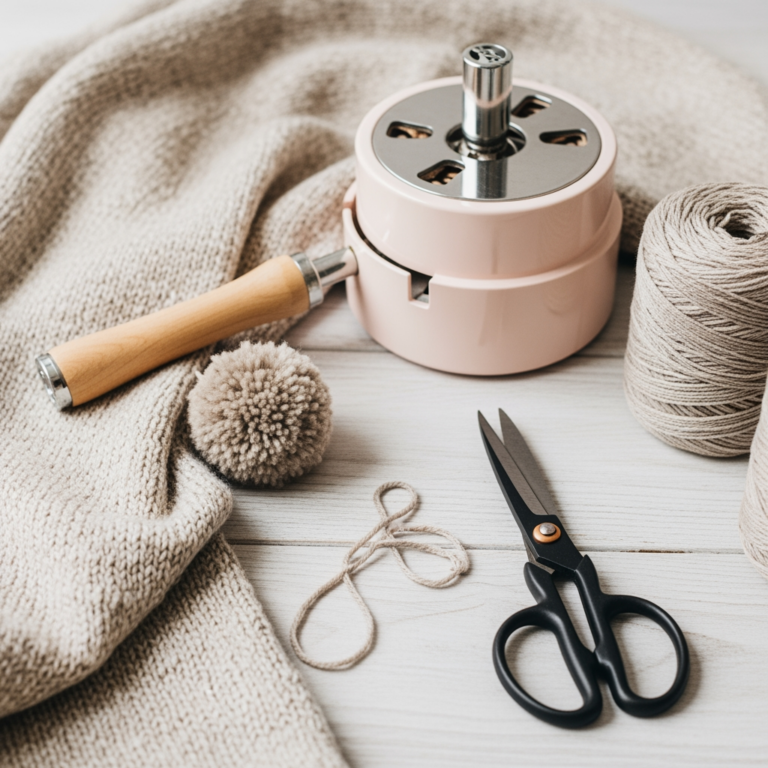
Pompoms are essentially thousands of tiny, cut fiber ends that want to move in different directions. Without a stiffening agent, these ends naturally splay, causing the pompom to lose its perfect, dense sphere and look "fuzzy" or misshapen over time.
Starch acts as a temporary adhesive that holds these ends in their trimmed position. By increasing the structural integrity of the yarn, the starch allows the pompom to resist compression and maintain its volume even after being shoved into a coat pocket.
Think of it like hairspray for your yarn; it gives the fibers just enough "memory" to stay exactly where you placed them. This is essential for maintaining the clean, geometric lines of a well-trimmed pompom.
How to Apply Spray Starch Without Fiber Damage
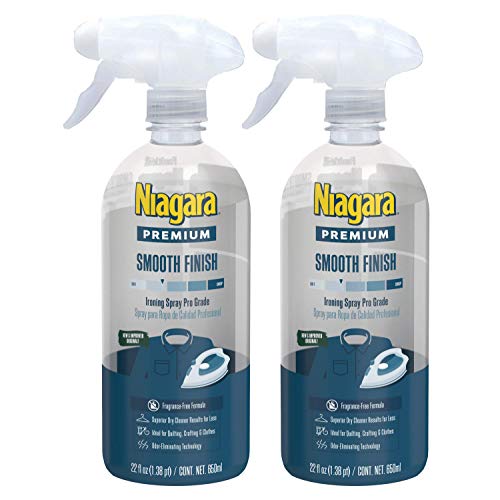
The golden rule of starching is "less is more." Always hold the spray can at least 8 to 10 inches away from the pompom to ensure a fine, even mist rather than a soaking stream that could cause the yarn to clump or mat.
After spraying, gently shake the pompom to distribute the starch evenly across all sides. If you see any white residue forming, you have used too much; simply use a clean, slightly damp cloth to gently blot the area.
Always let the pompom dry in a well-ventilated area, preferably hanging or sitting on a rack. Drying it on a flat surface can create a "flat spot" on the bottom of the sphere, which defeats the purpose of your shaping efforts.
Managing Humidity and Its Impact on Stiffening
Humidity is the natural enemy of starch. Because starch is essentially a carbohydrate-based film, it is hygroscopic, meaning it will absorb moisture from the air, causing the film to soften and lose its rigidity.
If you live in a high-humidity climate, you may find that your starched pompoms "wilt" after a few weeks. In these cases, avoid heavy-duty starches that might flake when they absorb moisture; instead, opt for a lighter, more flexible finish that won’t crack.
You can also try using a light coat of fabric protector spray after the starch has completely dried to create a moisture-resistant barrier. This is an extra step, but it significantly extends the life of your pompom’s shape.
Safety Tips for Starch Application on Yarn
Always work in a well-ventilated space when using aerosol starches to avoid inhaling fine mist particles. If you are working in a small knitting nook, open a window or use a small fan to keep the air moving away from your face.
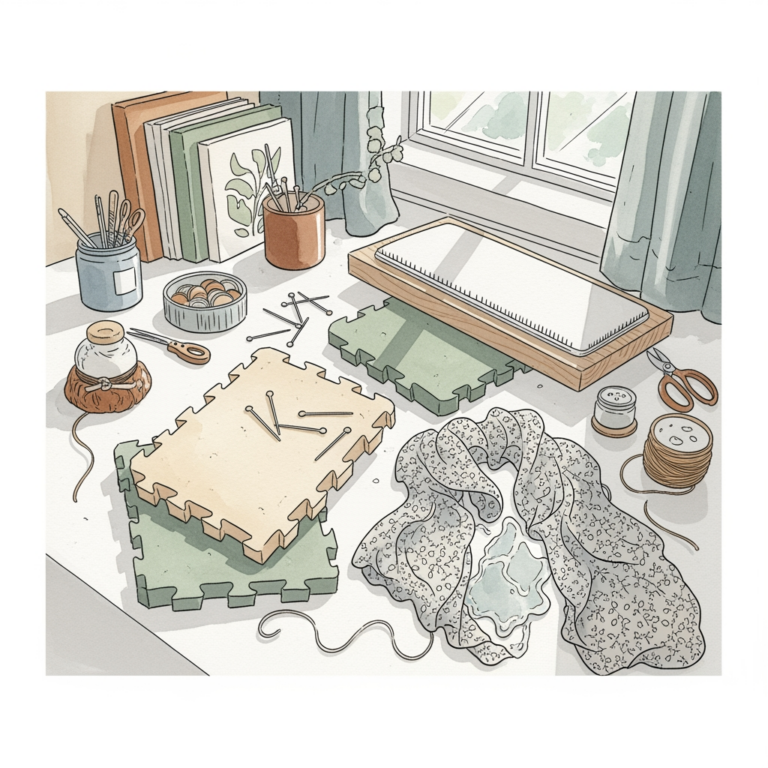
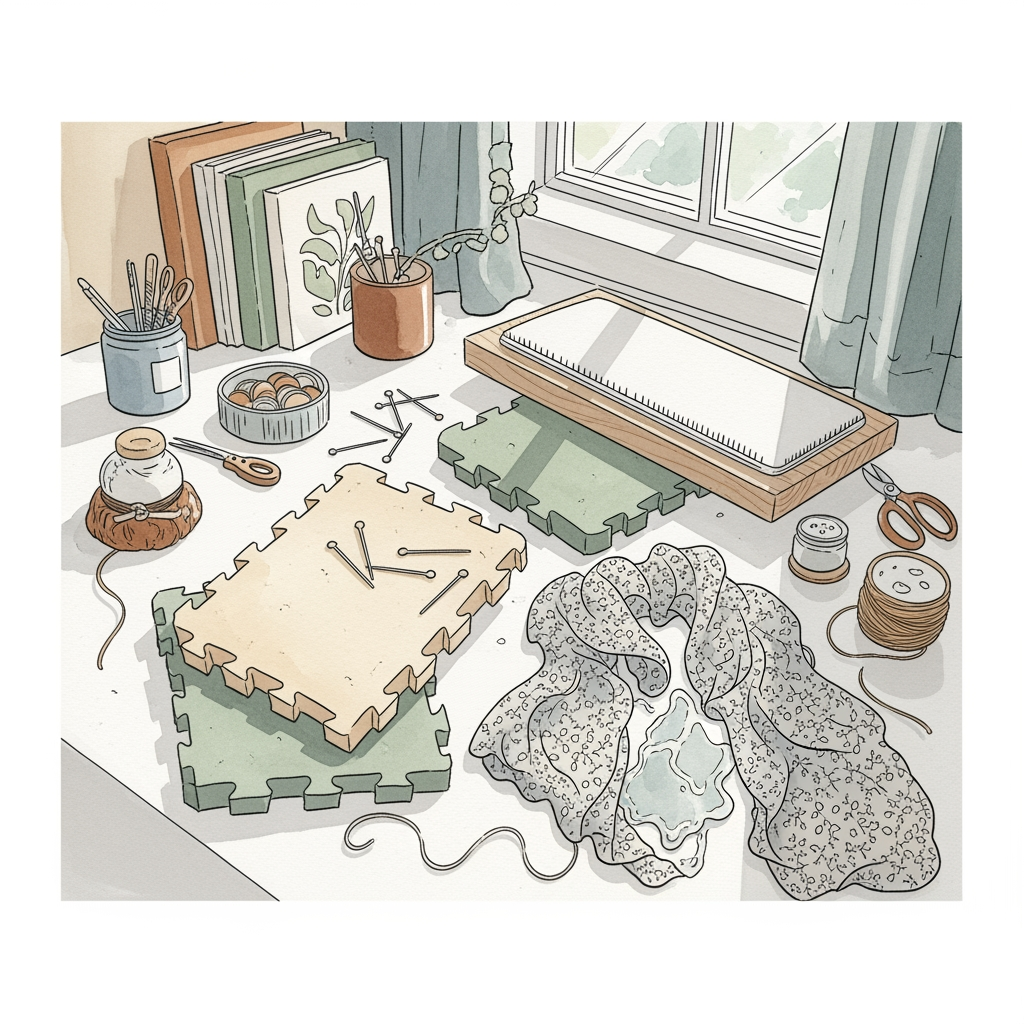
Be mindful of your surfaces; starch can make hardwood floors or tile incredibly slippery. I always place a piece of scrap cardboard or a dedicated blocking mat underneath my project before I start spraying.
Finally, remember that some starches can be attractive to pests like silverfish or moths if stored away for long periods. Ensure your finished projects are completely dry and stored in a sealed container or a cool, dry closet to keep your fiber art safe.
Mastering the art of the pompom is a small but impactful way to elevate your handmade knitwear. By selecting the right starch based on your yarn type and desired level of rigidity, you ensure your hard work remains pristine. Don’t be afraid to experiment with different products to see which finish best complements your specific fiber choices. With these tools in your kit, your pompoms will stay perfectly round and professional, no matter how much wear they see.