7 Best Cable Needles For Intricate Aran Designs
Master complex Aran cables with our top 7 needle picks. Discover ergonomic designs and smooth materials that ensure precision for every intricate twist.
Mastering the intricate, winding motifs of an Aran sweater requires more than just patience and a sharp eye for pattern reading. The right cable needle acts as a silent partner, holding your stitches securely while you navigate complex crossings without losing a single loop. Choosing the wrong tool can lead to dropped stitches or unnecessary tension, turning a meditative session into a frustrating struggle. Here is how to select the perfect instrument to ensure your cables remain crisp, defined, and beautifully executed.
Clover Takumi Bamboo Cable Stitch Needles


Clover Takumi needles are the gold standard for knitters who prioritize stability over speed. The natural bamboo surface provides a subtle "grip" that prevents stitches from sliding off the needle while they wait in the front or back of your work.
This friction is particularly beneficial when you are working with slippery yarns like silk or mercerized cotton. If you have ever watched a cable stitch slide off a slick metal needle mid-cross, you will immediately appreciate the security these needles offer.
However, be aware that bamboo can show wear over time, especially if you are a tight knitter who tends to snag the wood. They are best suited for those who want a reliable, non-slip experience that keeps complex charts manageable.
ChiaoGoo Stainless Steel Cable Needles
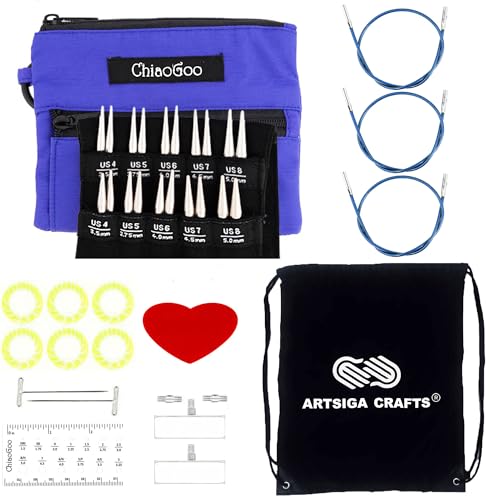
When your project involves high-twist wool or sticky mohair, ChiaoGoo stainless steel needles are the professional’s choice. The surgical-grade steel is incredibly smooth, allowing stitches to glide effortlessly during the cross.
Because these needles are so slick, they are best for knitters who have mastered their tension and are ready for faster production. If you are prone to dropping stitches, the lack of friction might feel intimidating at first.
These needles are exceptionally durable and will not bend or warp under the pressure of heavy, dense Aran cables. They are a "buy once" tool that will likely last you a lifetime of sweater knitting.
Brittany Birch Wooden Cable Needles

Brittany needles are crafted from sustainably harvested birch, offering a tactile, warm experience that many knitters find soothing. They strike a middle ground between the extreme grip of bamboo and the slickness of polished wood.
The finish is smooth enough for easy movement, yet it retains enough natural texture to keep your stitches locked in place. This makes them an excellent choice for beginners who are still building the muscle memory required for complex cable crossings.
Because they are made of natural wood, they are lightweight and comfortable to hold for long sessions. If you suffer from hand fatigue during long Aran projects, the ergonomic weight of these needles is a significant advantage.
Lykke Driftwood Cable Needle Set
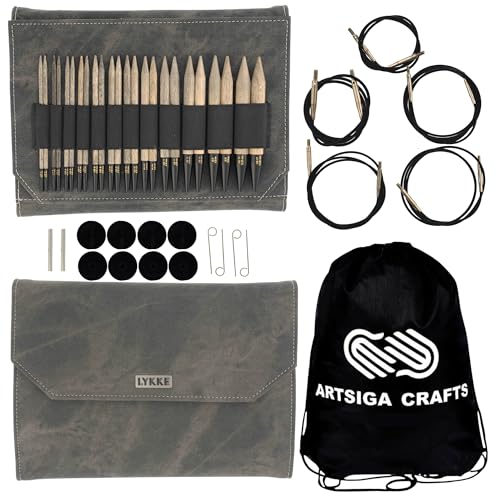
The Lykke Driftwood collection is as much about aesthetics as it is about function, featuring a beautiful grey-toned birch. These needles are polished to a high sheen, offering a sophisticated feel that makes every cable cross feel like a luxury.
The surface is remarkably smooth, yet the wood grain provides just enough resistance to keep your stitches from wandering. They work exceptionally well with wool blends, which tend to cling slightly to the wood, providing a balanced, controlled knitting experience.
If you enjoy a cohesive set of tools, the Lykke aesthetic is hard to beat. They are a perfect gift for the dedicated cable knitter who values both performance and the beauty of their craft.
Susan Bates Crystalites Cable Needles

Susan Bates Crystalites are made from lightweight acrylic, making them a fantastic budget-friendly option for knitters who want a variety of sizes on hand. They are smooth, clear, and easy to spot if they happen to slide between your couch cushions.
The material is slightly flexible, which can be an advantage if you find rigid needles poking your palms during long knitting sessions. However, they are not as durable as wood or metal and can develop small nicks if used with abrasive yarns.
These are ideal for testing out different cable needle sizes before committing to a more expensive set. They offer a reliable, neutral experience that works well for almost any fiber type.
Knitter’s Pride Nova Platina Needles

Nova Platina needles feature a hollow brass core plated with chrome, resulting in a needle that is both incredibly light and exceptionally fast. They are designed for the knitter who wants to breeze through an intricate pattern without feeling the weight of the tools.
The pointed tips are a standout feature, allowing you to easily pick up and manipulate even the tightest stitches. If your Aran design involves dense cabling that requires picking up stitches from previous rows, these tips are a massive asset.
Because they are so slick, they are best suited for experienced knitters who have tight control over their tension. They are a high-performance tool for those who view knitting as a craft that demands precision and speed.
Addi Aluminum Cable Stitch Needles
Addi needles are legendary for their quality, and their aluminum cable needles are no exception. They are perfectly smooth, allowing for a seamless transition when moving stitches from the main needle to the cable needle and back again.
The aluminum material is cold to the touch and very rigid, which provides a satisfying "click" as you work. They are virtually indestructible, meaning you can toss them into your project bag without worrying about them snapping or warping.
If you are working on a massive project like a heavy, traditional fisherman’s sweater, these needles will stand up to the weight of the garment. They are a reliable workhorse for any serious cable knitter.
Selecting the Best Material for Your Cable Work
Choosing the right material depends entirely on the yarn you are using and your personal knitting speed. If your yarn is slippery, choose wood or bamboo to prevent stitches from sliding off; if your yarn is sticky, choose metal to ensure the stitches move freely.
- Bamboo/Wood: Best for beginners, slippery yarns, and long, meditative knitting sessions.
- Metal/Aluminum: Best for experienced knitters, sticky fibers, and high-speed production.
- Acrylic: Best for experimentation, budget-conscious knitters, and those who prefer lightweight tools.
Remember that your tension also plays a role. If you are a tight knitter, you might find that metal needles provide the necessary ease to move your stitches, whereas a loose knitter might prefer the grip of wood to keep their work neat.
Understanding Cable Needle Shapes and Utility
Cable needles come in several shapes, each serving a specific purpose in the Aran knitting process. The classic "J" or "U" shape is designed to hold stitches in a dip, preventing them from sliding off the ends while you work the main needle.
Straight cable needles with a dip in the center are excellent for those who prefer to keep their stitches close to their working needles. These are often easier to maneuver in tight spaces, though they require more focus to ensure stitches don’t fall off the ends.
- U-Shaped/J-Shaped: Keeps stitches securely held in a "well" while you knit.
- Straight with Dip: Allows for faster movement and less bulk, but requires more attention.
- Flexible Cable Needles: A newer innovation that stays out of the way by bending, preventing poking and snagging.
Ultimately, the best shape is the one that feels most intuitive in your hands. Do not be afraid to try different styles until you find the one that makes your cable crossings feel natural rather than forced.
Tips for Managing Complex Aran Cable Crossings
The secret to a perfect Aran crossing is maintaining consistent tension both before and after the cable. When you move stitches to your cable needle, ensure you are not pulling them too tight, as this can distort the appearance of the finished cable.
Always keep your cable needle in a consistent position—either always in the front or always in the back—depending on the direction of the cross. This consistency is what gives Aran sweaters their signature rhythmic, uniform look.
- Check your gauge: Cables pull the fabric in, so your gauge will be tighter than a standard stockinette square.
- Use stitch markers: Use them to denote where a cable begins and ends to avoid losing your place in the chart.
- Take breaks: Complex cabling is mentally taxing; step away if you feel your concentration slipping to avoid mistakes.
If you find yourself struggling with a particularly large cable, consider using a needle one size smaller than your working needles. This makes the transfer easier and prevents the stitches from stretching out too much during the process.
Selecting the right cable needle is a personal journey that evolves alongside your skills and project choices. By matching the material and shape of your tool to the specific needs of your yarn, you can transform a challenging pattern into a fluid, enjoyable experience. Trust your hands to tell you what works best, and don’t hesitate to experiment with different options as your collection grows. May your cables always be crisp, your tension even, and your stitches perfectly placed.